The Enduring Cultural Impact of Jesse Jackson's Sesame Street Moment
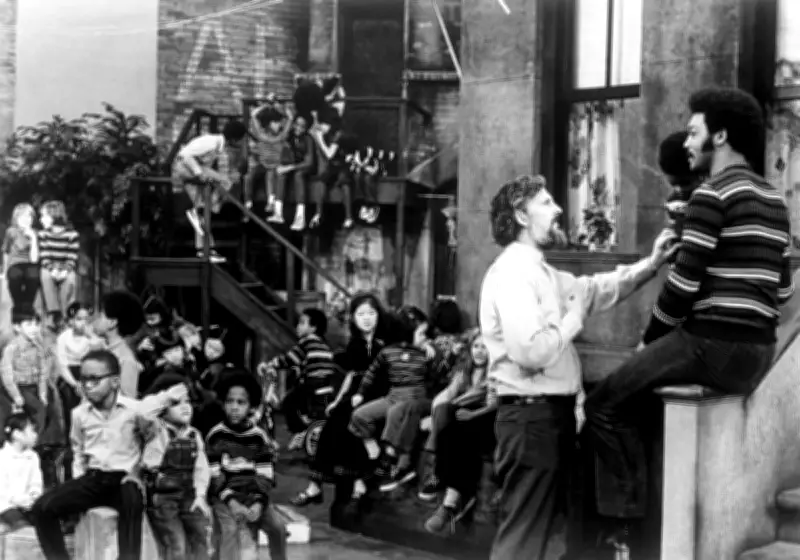
In a landmark 1972 episode of the beloved children's programme Sesame Street, Reverend Jesse Jackson, then aged 31, stood on a soundstage designed to resemble an urban neighbourhood block. Dressed in a distinctive purple, white, and black striped shirt, adorned with a gold medallion bearing the profile of Martin Luther King Jr., Jackson addressed a diverse group of young children. This gathering perfectly embodied his vision of a Rainbow Coalition, featuring youngsters under ten from every ethnic and racial background.
A Chant That Echoed Through Generations
The scene captured Jackson leading the children in a powerful call-and-response of his famous liberatory affirmation: "I am somebody." The camera focused on the cherub-cheeked children, their faces alight with enthusiasm as they echoed his words. Their responses were a joyful, slightly out-of-sync roar, filled with giggles and fidgety energy, creating a wall of activating sound that resonated with pure, unadulterated power.
Listening closely, one can detect the smile behind every word Jackson spoke and feel the palpable, shared energy between the civil rights leader and the captivated young audience. This episode stands as an incredible historical artifact from a pivotal moment in American history. The United States was teetering on the precipice of a new world order in the wake of the civil rights era and the waning years of the Black Power movement.

A Vision of a Beloved Community
This Sesame Street segment served as a vital document, demonstrating to a national audience the tangible possibility of a beloved community. It presented a vision of society that was fully integrated and brimming with youthful promise and hope. The brief video clip, lasting just over a minute and a half, represents a small but significant part of Jackson's immense legacy. Following his passing at the age of 84, this moment serves as a poignant reminder of his lifelong service in expanding the rights of Black Americans and all dispossessed peoples.
For generations born after the height of the civil rights movements, this clip acts as a memento mori, an active call to affirm human dignity. Many who were not yet born in 1972 have encountered replays of this video throughout their lives, via YouTube clips and social media shares. Its cultural resonance has extended far beyond the final decades of the twentieth century, embedding itself deeply into Black American culture.
The Philosophy of 'Somebodiness'
The phrase "I am somebody" became a cultural touchstone, repeated by adults to children in schools, churches, and homes. The call was always met with an even more fervent echo. For Generation X and millennials, born in the post-civil rights era, this mantra underpinned the work of building that beloved community in action. It asserted that regardless of background—class, race, ethnicity, or appearance—every individual is somebody worthy of inherent human dignity and respect.
In today's climate, it is difficult to imagine such programming on public television or streaming platforms without provoking significant backlash. Yet, those children from the Sesame Street set, now adults, embody the neighbourly love and agape that Martin Luther King Jr. eloquently championed and that Jackson made so vividly clear through his words and actions.
As news of Jackson's passing spread, countless people shared this iconic Sesame Street clip across social media platforms, alongside audio from his 1972 live recording at the Wattstax festival in Los Angeles. Observers noted that Jackson's delivery of "I am somebody" remains one of the great pieces of twentieth-century rhetoric, powerful in its simplicity and its ability to move people to action, connecting directly to King's concept of agape love.

Roots in the Civil Rights Movement
The concept of "somebodiness" was a central thread woven throughout the rhetoric of movement leaders during the civil rights era. Jackson stood alongside King and others from the Southern Christian Leadership Conference during the 1968 Memphis sanitation workers' strike. The workers, protesting after a tragic death caused by racial segregation, carried signs declaring "I Am A Man"—a direct protest action capturing the essence of the "I am somebody" mantra.
King himself first articulated the idea of somebodiness in his seminal 1963 Letter from Birmingham Jail. He wrote of combating a force of complacency among those drained of self-respect and a sense of 'somebodiness' due to long years of oppression. As a mentor to Jackson, King understood the vital role of disrupting feelings that stripped this sense of worth from African Americans.
Footage from as early as 1963 shows Jackson offering his poem as a benedictory battle cry to young activists. If King's language was lofty and philosophical, Jackson's rallying call was direct and accessible. The fervent responses from audiences over the decades testify to its power. The chant cuts through constricting beliefs of worthlessness and, like alchemy, transforms despair into determined, hopeful action for a more just and integrated society.