Japan has formally demanded the immediate release of a Japanese citizen who has been detained in Tehran, Iran, since January, according to a government statement issued on Wednesday. The case highlights growing diplomatic tensions between the two nations over the treatment of foreign nationals.
Government Confirms Detention Details
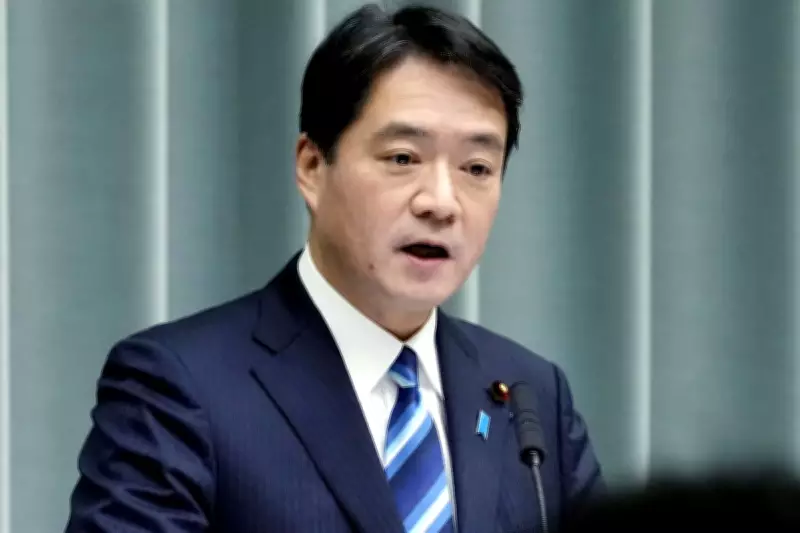
Deputy Chief Cabinet Secretary Masanao Ozaki confirmed the detention during a press briefing, responding to inquiries about foreign media reports. Ozaki stated that the Japanese national was taken into custody on January 20, but he declined to provide further specifics, citing privacy concerns and the sensitivity of the matter.
Limited Information Released
While Ozaki acknowledged the detention, he emphasized that the government is respecting the individual's privacy by not disclosing additional details. This approach aligns with standard diplomatic protocols when handling cases involving citizens abroad, particularly in regions with complex political landscapes.

Ongoing Support and Diplomatic Efforts
The Japanese government is actively engaged in providing necessary support to the detainee and their family members. Officials are maintaining regular contact with both parties to ensure their well-being and to facilitate communication during this challenging period.
Demand for Swift Resolution
In its statement, Japan's government explicitly demanded that Iranian authorities release the citizen swiftly. This demand underscores Japan's commitment to protecting its nationals overseas and resolving international incidents through diplomatic channels without delay.
Broader Implications for Japan-Iran Relations
This incident occurs against a backdrop of fluctuating diplomatic relations between Japan and Iran. Historically, Japan has maintained economic and political ties with Iran, but cases involving detained citizens can strain such relationships, potentially impacting bilateral cooperation and trade agreements.
The detention raises questions about the legal and humanitarian treatment of foreigners in Iran, a topic that has drawn international scrutiny in recent years. Japan's firm stance on this matter may influence how other nations address similar situations with Iranian authorities.
Monitoring and Future Steps
Japanese officials are closely monitoring the situation, with plans to escalate diplomatic efforts if the release is not expedited. The government's response reflects a broader strategy of assertive diplomacy in safeguarding citizens abroad, a priority in Japan's foreign policy agenda.
As developments unfold, further updates are expected from both Japanese and Iranian sources, though the focus remains on achieving a prompt and peaceful resolution to ensure the detainee's safe return home.