Israeli Troops Scour Gaza Cemetery for Remains of Final Hostage as Rafah Crossing Remains Closed
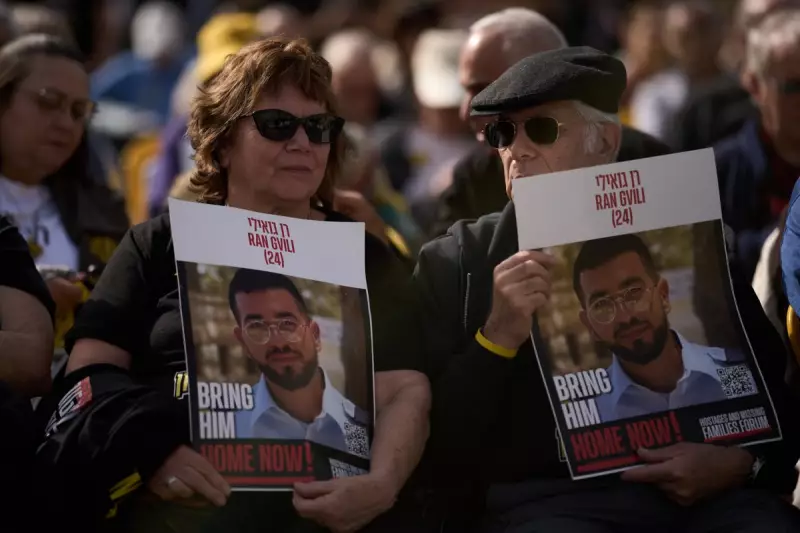
Israeli military teams were conducting a thorough search through a cemetery in Gaza on Monday, aiming to locate the remains of the final hostage held in the territory, according to official statements. This operation comes after Hamas asserted it had fulfilled its obligations under the ceasefire agreement by searching areas not under Israeli control. The effort represents a critical, last-minute push by Israel to recover the body of Ran Gvili, amid increasing pressure from Washington and other mediators to proceed with the U.S.-brokered ceasefire.
Search Operation and Ceasefire Progress
The search, which could extend over several days, is focused on locations in Shuja’iyya, Daraj, and Tuffah, based on intelligence reports. Military officials, speaking anonymously due to the ongoing nature of the operation, noted that troops are being assisted by rabbis and dental experts to aid in identifying Gvili. Residents of Gaza City, who requested anonymity for safety reasons, described Israeli forces excavating graves in the Batsh Cemetery in Tuffah, removing bodies and leaving them exposed.
A key indicator of advancement in the ceasefire would be Israel reopening the Rafah crossing between Gaza and Egypt, allowing Palestinians to enter and exit. Prime Minister Benjamin Netanyahu's office has stated that the crossing will only open once the search for Gvili is concluded. The Rafah crossing has been largely closed since May 2024, with only a brief reopening in early 2025, and it remained shut on Monday, underscoring the ongoing humanitarian challenges.

Hostage Recovery and Ceasefire Dynamics
The return of all remaining hostages, whether alive or deceased, is a central component of the first phase of the ceasefire that began on October 10. Prior to Monday, the last hostage was recovered in early December. Hamas reported that it had searched for Gvili's body on its side of the ceasefire line and provided all available information to mediators, claiming Israel is now investigating one of the specified sites. Gvili's family has urged the Israeli government not to transition to the second phase of the ceasefire until his remains are returned, but pressure is mounting, with the Trump administration recently declaring that the second phase is already underway.
Casualties and Legal Proceedings
In related developments, Israeli fire resulted in the deaths of two Palestinians in Gaza on Monday. One man was fatally shot in Gaza City's Tuffah neighborhood, near the search operation area, as reported by Shifa Hospital. Another man was killed in the eastern part of the Bureij refugee camp in central Gaza, with Al-Aqsa Martyrs hospital receiving the body, though the circumstances remain unclear. Since October 10, Gaza's Health Ministry, which is part of the Hamas-led government and is generally regarded as reliable by U.N. agencies and independent experts, has recorded over 480 Palestinian fatalities due to Israeli fire.
Concurrently, Israel's Supreme Court is considering a petition from the Foreign Press Association (FPA) to grant international journalists independent access to Gaza. The FPA, representing numerous global news organisations, has advocated for over two years for such access, arguing that current restrictions are unjustified. Israel has prohibited independent journalist entry since the October 7, 2023, Hamas attacks, citing risks to journalists and soldiers, and instead offers brief, supervised visits. The court is expected to issue a ruling in the coming days.