Israel Warns Lebanon Ground Invasion 'On the Table' as Conflict Escalates
The Israeli military has explicitly stated that a ground invasion of Lebanon remains a viable option, with a spokesperson confirming that 'All options are on the table' in response to recent hostilities. This declaration follows a series of Israeli airstrikes launched into Lebanon, which were conducted as retaliatory measures after Hezbollah forces attacked Israel. The situation has rapidly intensified, raising fears of a broader regional conflict.
Casualties and Humanitarian Impact in Lebanon
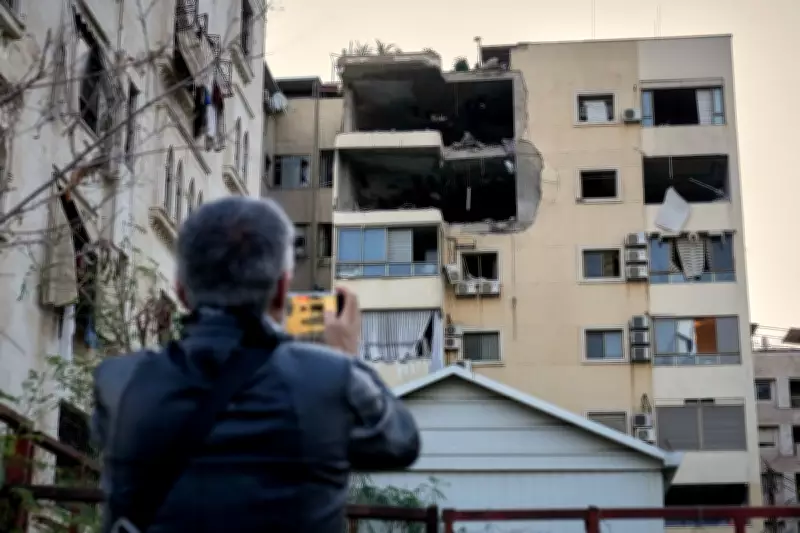
According to Lebanon’s Health Ministry, the Israeli airstrikes have resulted in significant casualties, with at least 31 people killed and 149 others wounded. Approximately two-thirds of these fatalities occurred in southern Lebanon, highlighting the concentrated impact of the military actions in that region. The strikes have triggered widespread panic and displacement among local residents.
Roads in southern Lebanon and those leading from Beirut’s southern suburbs experienced severe gridlock as thousands of residents fled the area in the aftermath of the Israeli attacks. This mass exodus has created a humanitarian crisis, with many families seeking safer locations amid the escalating violence. The disruption to transportation and daily life underscores the immediate consequences of the conflict on civilian populations.

Military Actions and Strategic Implications
The Israeli Defense Forces (IDF) have reported carrying out 'retaliatory strikes' targeting senior Hezbollah members in Lebanon. These precision strikes are part of a broader military strategy aimed at neutralizing threats from the militant group, which has been engaged in cross-border skirmishes with Israel. The IDF's actions signal a firm response to Hezbollah's provocations, but the potential for a ground invasion adds a new layer of complexity to the conflict.
Analysts suggest that a ground operation could lead to prolonged engagements and higher casualties on both sides, potentially drawing in other regional actors. The Israeli military's stance reflects a readiness to escalate if necessary, while Hezbollah has vowed to continue its resistance. This volatile dynamic threatens to destabilize the entire Middle East, with implications for global security and diplomacy.
Regional and International Context
The escalation between Israel and Hezbollah occurs against a backdrop of heightened tensions across the Middle East. Recent reports of fresh blasts heard in Gulf cities and statements from top Iranian officials ruling out negotiations with the United States further complicate the geopolitical landscape. Iran, a key supporter of Hezbollah, has historically influenced the group's actions, raising concerns about indirect involvement in the conflict.
International observers are closely monitoring the situation, urging restraint and diplomatic solutions to prevent a full-scale war. The United Nations and other global bodies have called for de-escalation, but with both sides maintaining aggressive postures, the risk of further violence remains high. The conflict's evolution could impact oil markets, regional alliances, and international peace efforts in the coming weeks.