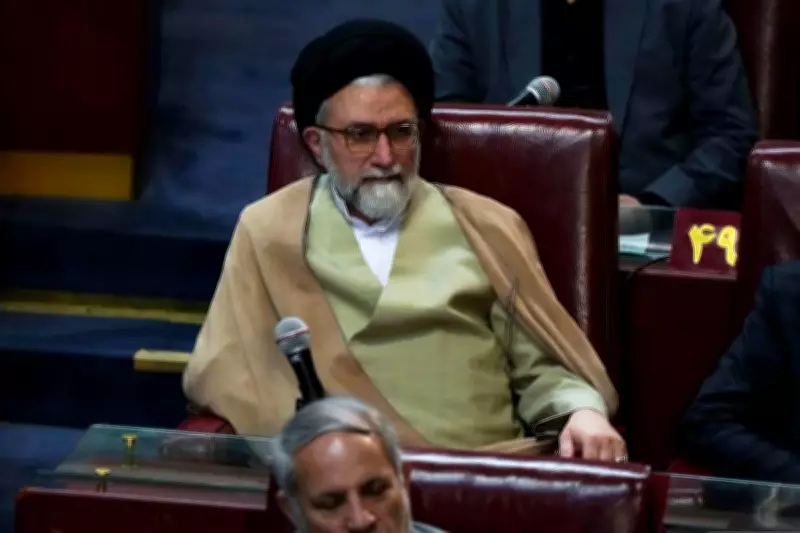
Israeli Defence Minister Israel Katz has publicly announced that the Israeli military has successfully targeted and killed Iranian Intelligence Minister Esmail Khatib in a recent air strike. This significant development marks another escalation in Israel's ongoing campaign against high-ranking Iranian security officials, which has previously included actions against figures such as Ali Larijani and the head of the Basij force.
Background on Esmail Khatib and His Role
Esmail Khatib, who served as Iran's Intelligence Minister, was a prominent figure subject to international scrutiny. In 2022, the United States Treasury sanctioned him for directing cyber-enabled activities against the United States and its allies, highlighting his involvement in global operations. His ministry faced severe accusations of human rights abuses, particularly within Iran.
Israeli Military's Justification for the Strike
The Israeli military provided a detailed statement outlining Khatib's alleged activities. According to their assessment, Khatib played a crucial role in suppressing domestic protests in Iran, including those linked to the death of Mahsa Amini, which sparked widespread unrest. Additionally, his ministry was accused of conducting extensive global operations targeting Israel, further justifying the strike as a defensive measure.
Iran's Response and Current Situation
As of now, Iran has not officially acknowledged the death of Esmail Khatib. Instead, state television has focused on broadcasting funeral processions for other officials, such as Ali Larijani, who were killed in earlier Israeli air strikes. This lack of confirmation adds a layer of uncertainty to the situation, with analysts closely monitoring for any formal statements from Iranian authorities.
Context of Previous Israeli Actions
This killing follows a pattern of Israeli military actions against Iranian security personnel. The strikes on officials like Ali Larijani and the Basij force head indicate a sustained strategy aimed at weakening Iran's security apparatus. These operations are part of broader geopolitical tensions in the region, often linked to Iran's nuclear program and its support for proxy groups.
International Implications and Reactions
The death of Esmail Khatib is likely to have significant repercussions on international relations. Given his sanctioned status by the US and his alleged role in cyber activities, this event may influence diplomatic dynamics, particularly between Iran, Israel, and Western allies. Observers are watching for potential escalations or retaliatory measures in the coming days.
In summary, Israel's claim of killing Iranian Intelligence Minister Esmail Khatib underscores ongoing hostilities in the Middle East, with implications for regional stability and global security. As Iran remains silent on the matter, the full impact of this development continues to unfold.