In a significant development aimed at enhancing regional stability, officials have confirmed that the decision to relocate Islamic State group prisoners from northeast Syria to detention facilities in Iraq originated from a formal request by Baghdad. This move, which has garnered support from the U.S.-led coalition and the Syrian government, underscores growing concerns over security risks as Syrian forces advance into the area.
Background and Rationale for the Transfer
According to American and Iraqi officials who spoke on condition of anonymity, Iraq proactively offered to take custody of the detainees rather than responding to a U.S. request. This initiative is driven by Baghdad's apprehension that the ongoing chaos in northeast Syria, where government forces have recently taken control of key sites like the al-Hol camp and a prison in Shaddadeh, could enable IS prisoners to escape and pose a direct threat to Iraq's security.
Recent Developments in Northeast Syria
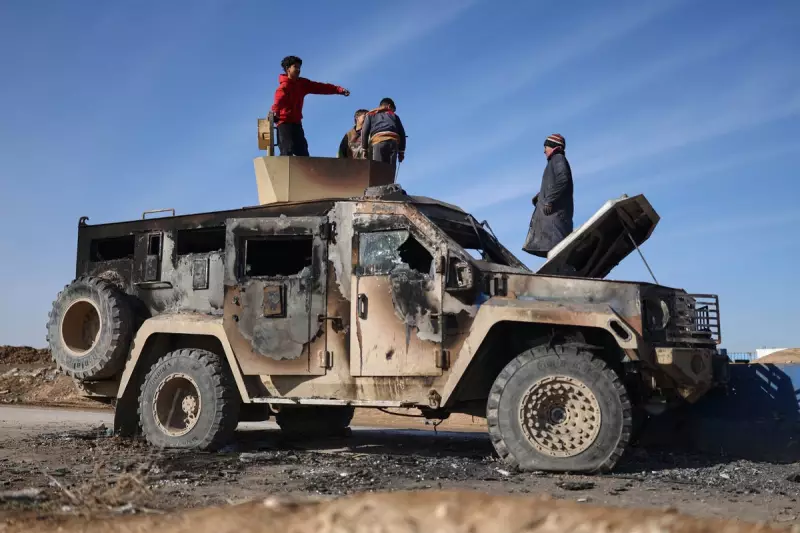
The transfer process commenced on Wednesday, with the U.S. military confirming that 150 IS members were moved from Hassakeh province in Syria to secure locations in Iraq. U.S. Central Command indicated that up to 7,000 detainees could eventually be relocated to Iraqi-controlled facilities. This action follows Syrian government forces seizing control of the sprawling al-Hol camp, which houses thousands of mostly women and children, and a prison in Shaddadeh where some IS detainees briefly escaped before being recaptured.

Additionally, the Syrian Democratic Forces (SDF) reported that government troops shelled al-Aqtan prison near Raqqa with heavy weapons while imposing a siege using tanks and fighters. Al-Aqtan, which holds some IS prisoners, has been surrounded by government forces, with negotiations ongoing regarding its future. The SDF, which still controls over a dozen detention facilities holding around 9,000 IS members, is slated to hand these prisons over to government control as part of a peace process that aims to eventually merge the SDF with Syrian government forces.
International and Regional Implications
An Iraqi security official emphasised that transferring the prisoners to Iraq aligns with the country's security interests, as it ensures they are detained in Iraqi prisons rather than remaining in the volatile Syrian environment. The U.S.-led coalition and Syrian government have welcomed this decision, viewing it as a collaborative effort to mitigate the threat posed by IS sleeper cells, which continue to carry out deadly attacks in both Iraq and Syria despite the group's territorial defeat in 2017 and 2019, respectively.
Historically, the SDF has handed over foreign fighters, including French citizens, to Iraqi authorities for trial and sentencing. This latest transfer initiative builds on those efforts, reflecting a broader strategy to manage the legacy of IS's declared caliphate in 2014, which attracted fighters from around the world. The SDF played a major role in defeating IS, and this prisoner transfer represents a critical step in ongoing counter-terrorism cooperation.
As the situation evolves, the focus remains on ensuring that the relocation of detainees is conducted securely and efficiently, with all parties involved prioritising regional stability and the prevention of any potential security breaches. The proactive stance taken by Iraq highlights its commitment to safeguarding its borders and contributing to international security efforts in the post-IS landscape.