Iran's New Supreme Leader Exposes US War Failures as Team America Parallels Emerge
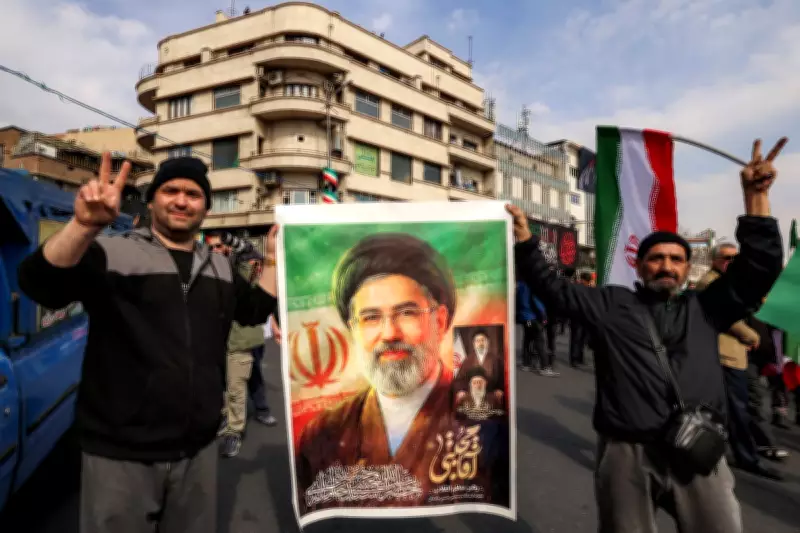
The election of Mojtaba Khamenei as Iran's third supreme leader following the assassination of his father represents a significant setback for American military objectives in the region. This development underscores how the theocratic regime has weathered the initial onslaught from what critics describe as Team America: World Police tactics, potentially positioning itself for extended survival despite overwhelming external pressure.
Satire Becoming Reality in US Foreign Policy
Former President Donald Trump and his defense secretary Pete Hegseth appear to have transformed the 2004 puppet comedy Team America: World Police from political satire into an actual blueprint for American foreign engagement. The multiple declared aims of Trump's war against Iran—including dismantling its nuclear program, ending support for militant groups, eliminating threats to Israel, and ultimately achieving regime change—now appear destined for spectacular failure, mirroring the absurd plotlines of the Hollywood production.
Rather than toppling the theocrats who govern a nation comparable in size to Western Europe, the US-Israeli military campaign has inadvertently strengthened their position through the seamless transition to Mojtaba Khamenei's leadership. At just fifty-six years old, the new supreme leader maintains close ties with the Iranian Revolutionary Guard Corps, as required for all senior clerics within the country's power structure.
Iranian Revolutionary Guard Strengthens Grip
Far from being crippled as envisioned in Trump's fantasy scenario where oppressed Iranians would rise against their rulers, the IRGC has actually consolidated control over national security apparatus and economic systems. The organization represents the fundamental backbone of the regime and has implemented sophisticated contingency planning specifically designed to frustrate foreign attempts at regime change.
Command structures have been deliberately decentralized to local IRGC leaders, creating a resilient network that cannot be eliminated through decapitation strikes against central headquarters. This strategic adaptation ensures operational continuity even when communications systems are disrupted and physical infrastructure comes under attack.
Apocalyptic Warfare and Rhetorical Escalation
The ongoing systematic bombardment of Iran's petroleum industry by US and Israeli forces has created environmental catastrophe in Tehran, where flooded sewers contaminated with oil have exploded, producing toxic acid rain across the capital. This apocalyptic scenario appears to excite Trump and Hegseth while delivering only chaos and suffering to civilian populations.
White House rhetoric has reached unprecedented vulgarity, with Trump declaring on Truth Social that Iran would be "hit very hard" with "complete destruction and certain death" for previously untargeted groups. Hegseth echoed this belligerent tone, boasting about "punching them while they're down" and describing rules of engagement designed to "unleash American power, not shackle it."
Regime Resilience and International Complications
The IRGC anticipated American and Israeli intervention for years, developing comprehensive defensive strategies that have proven effective despite massive aerial bombardment. The election of Khamenei guarantees ideological continuity while maintaining sufficient fear among the population to prevent revolutionary uprising against the regime's brutal policies.
When Iranian president Masoud Pezeshkian attempted to apologize for missile attacks against neighboring states and promised cessation, military commanders simply ignored his directives, continuing weapons deployments against Gulf targets. This demonstrates where actual power resides within the Iranian political structure.
Strategic Blind Spots and Russian Complications
Traditional American allies have grown increasingly alarmed by the Trump administration's apparent lack of strategic planning for Iran's future, drawing disturbing parallels to the 2003 Iraq invasion aftermath. Further complicating matters, Trump continues expressing sympathy for Vladimir Putin even as evidence suggests Russia provides intelligence assistance to Iranian forces targeting American military assets.
When questioned about Russian support for Iranian adversaries, Trump responded with rhetorical questions about reciprocal espionage rather than condemnation, further undermining European confidence in American leadership amid ongoing conflicts in Ukraine and the Middle East.
Devastating Aftermath Regardless of Outcome
While the US possesses sufficient military capacity to continue warfare for additional weeks, and while Mojtaba Khamenei must maintain an extremely low profile—likely literally underground—to avoid his father's fate, the ultimate outcome appears predetermined. Even if bombardment eventually eliminates enough IRGC leadership to enable popular uprising, Iranians would emerge into environmental and economic devastation, with national infrastructure destroyed and revival capacity obliterated.
The White House response to such catastrophic victory would likely involve further ironic quotations from the Team America theme song while offering no substantive reconstruction assistance, completing the transformation of political satire into tragic reality in US foreign policy execution.