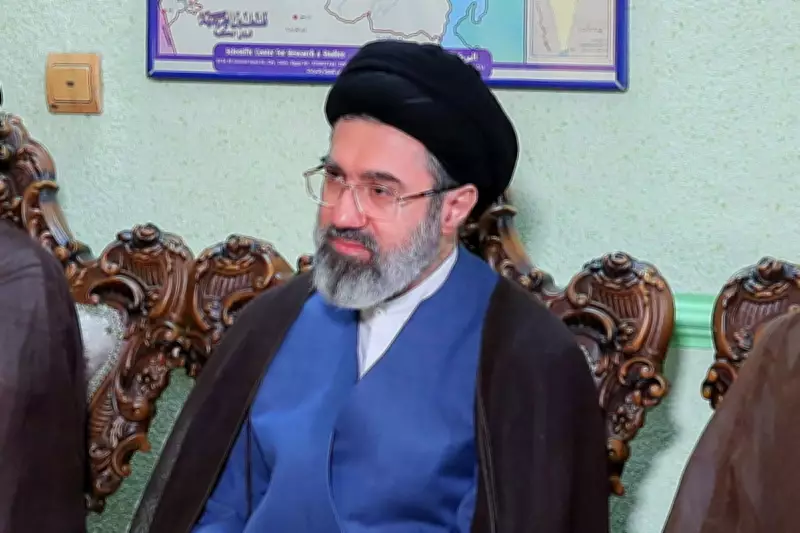
Iran's newly appointed Supreme Leader Mojtaba Khamenei has been injured but remains alive and continues to operate, according to an Iranian official speaking to Reuters on Wednesday. The revelation comes amid ongoing conflict in the region, with state television describing him as war wounded.
Injured Leader Maintains Role Despite Absence
Since his selection by a clerical assembly on Sunday, Khamenei has not been seen by the Iranian public nor issued any public statements or messages. This absence has fueled widespread rumors that he was wounded in the Israeli and U.S. airstrikes that have targeted Iran's leadership.
The official who spoke to Reuters did not provide specific details about when Khamenei was injured or why he has remained silent since his appointment. However, the confirmation of his injury status clarifies the situation surrounding Iran's new supreme leader.
Family Tragedy in Leadership Decapitation Strikes
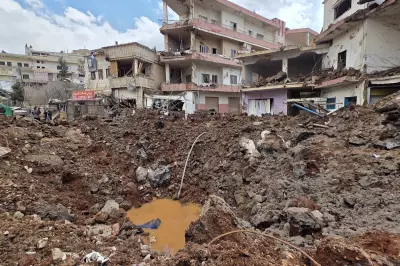
The initial wave of U.S.-Israeli airstrikes on February 28 was specifically designed to decapitate Iran's leadership. These strikes proved devastatingly effective, killing Khamenei's father, Ayatollah Ali Khamenei, who was the previous supreme leader.
Beyond his father, the attacks claimed the lives of Khamenei's mother, sister, and wife, according to state television reports. This family tragedy has become central to the narrative surrounding the new leader's ascension.
State television emphasized this connection in a broadcast, with a news anchor reading: "His Eminence Ayatollah Seyyed Mojtaba Khamenei is today the heir to the blood of his martyred father, his martyred mother, his martyred sister and his martyred wife." The anchor used Khamenei's full titles and honorifics in the announcement.
Israeli Assessment and Revolutionary Guards Support
Israeli intelligence has assessed that Khamenei sustained light injuries, which explains his absence from public view, according to a senior Israeli official who spoke to Reuters. This assessment aligns with the Iranian confirmation of his injured status.
Khamenei's appointment came with extensive support from the Islamic Revolutionary Guards Corps, sources have revealed to Reuters. Seen as a hardliner closely aligned with the powerful military organization, he was the leading contender to succeed his father following the February 28 strikes.
Background of the New Supreme Leader
Despite his new prominence, Mojtaba Khamenei remains relatively unknown to ordinary Iranians. He has made few public speeches or appearances in recent years, maintaining a low public profile even while wielding significant influence behind the scenes.
For years, he served as head of his father's office, known in Persian as the beyt, giving him direct involvement in running the Iranian state apparatus. This background in administration rather than public leadership marks a distinct characteristic of Iran's new supreme leader.
The Ramadan War Context
Iranian officials have named the current conflict the "Ramadan War" because it coincides with Islam's fasting month. State television referenced this terminology when describing Khamenei, calling him a "janbaz" of the Ramadan War—an Iranian term for a wounded veteran.
The anchor added: "He, who is a janbaz of the Ramadan War, inherits the path of the proud and steadfast martyrs of this land." This language frames Khamenei's injury within the context of religious and national sacrifice during the ongoing conflict.
As Iran navigates this leadership transition amid continuing hostilities, the condition and capability of its new supreme leader remain critical factors in the region's stability and the direction of Iranian policy moving forward.