Iran's Unconventional Warfare Strategy Tests Global Powers
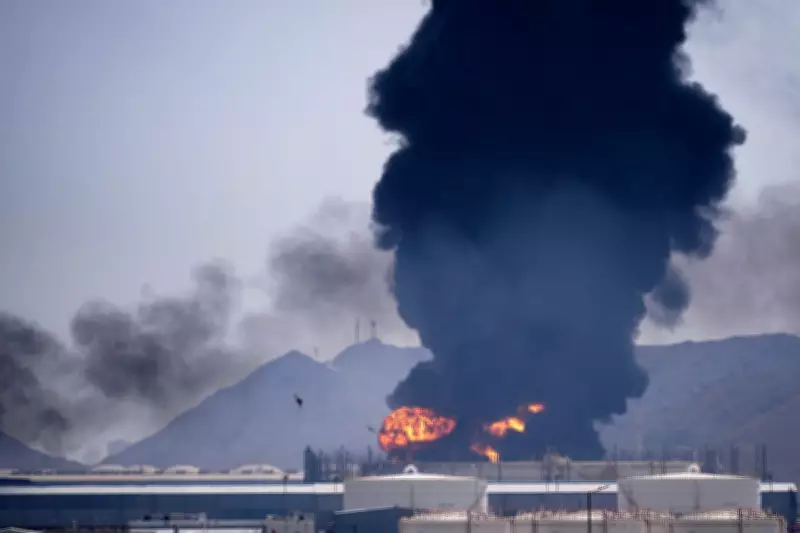
One month into the military confrontation with Iran, the United States and Israel are grappling with an adversary that operates more like an insurgency than a conventional nation-state. Despite facing relentless airstrikes from two of the world's most advanced militaries, Iran continues to demonstrate a remarkable capacity to inflict significant pain on its Gulf Arab neighbours and Israel through missile and drone attacks. Simultaneously, Tehran maintains a powerful grip on the global economy, primarily through strategic threats rather than direct military engagement.
The Strait of Hormuz: Iran's Primary Strategic Weapon
Tehran's most significant strategic advantage lies in its ability to control maritime traffic through the critical Strait of Hormuz. This narrow waterway, through which approximately one-fifth of global oil and natural gas once flowed, now operates under strict Iranian supervision. The Islamic Republic permits only selected shipments to pass, dictating terms and prices according to its strategic interests.
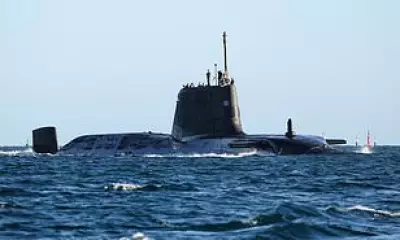
Even with its naval capabilities substantially degraded by allied strikes, Iran retains sufficient missile and drone arsenals, developed over decades, to effectively hold this vital shipping lane hostage. This tactic mirrors methods employed by Iranian proxies across the region, who have operated for years under Tehran's guidance as part of the self-described "Axis of Resistance."

Global Economic Consequences and Political Pressure
The Iranian stranglehold on the Strait of Hormuz has triggered dramatic economic repercussions worldwide. Oil prices have surged dramatically, stock markets have experienced significant declines, and the cost of numerous essential goods has risen substantially. These developments create mounting pressure on U.S. President Donald Trump, who faces domestic challenges in demonstrating his ability to reduce living costs ahead of crucial midterm elections in November.
Asian nations, as primary consumers of oil transported through the strait, feel the economic impact most acutely. However, the global nature of oil markets means that drivers across Europe and the United States are also experiencing notable price increases at fuel stations. Since petroleum costs influence manufacturing and transportation expenses across numerous industries, the inflationary effects extend far beyond gasoline prices alone.
Military Escalation and Diplomatic Challenges
Resolving the current standoff presents considerable difficulties for the allied forces. One potential pathway involves negotiating a ceasefire agreement, though progress remains uncertain with conflicting statements from Washington and Tehran. Should diplomatic efforts fail, the United States and Israel must choose between declaring limited objectives achieved and withdrawing from the conflict, or dramatically escalating military operations to forcibly reopen the strategic waterway.
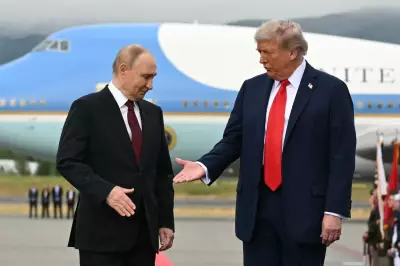
President Trump has already deployed thousands of additional paratroopers and Marines to the region, establishing a new deadline of 8 p.m. Eastern time on April 6 for Iran to restore normal traffic through the Strait of Hormuz. The American leader has threatened to commence bombing campaigns against Iranian power plants should this ultimatum be ignored.
"Trump's preference remains 'escalate to de-escalate,'" noted the risk advisory Eurasia Group in a recent analysis. "The United States is moving more ships and ground troops into the region and will be better prepared to escalate in mid-April."
Iran's Resilient Military Capabilities
Despite sustaining significant damage to its conventional military assets, Iran continues to demonstrate remarkable resilience. President Trump recently claimed that approximately nine percent of Iran's missile arsenal remains operational, though this figure cannot be independently verified. Even if accurate, Tehran retains multiple means to cause substantial disruption.

With most aircraft destroyed and air defense systems weakened, Iran maintains extensive networks of air and sea bases established decades ago. More recently constructed underground facilities, combined with mobile missile launchers disguised as commercial vehicles, enable Iranian forces to conceal launch sites until the final moments before engagement. This "shoot and scoot" strategy, commonly employed by insurgent groups including Yemen's Houthi rebels, allows mobile units to evade airstrikes by constantly relocating.
Iran's geographical characteristics further support its insurgent-style approach. The nation's mountainous terrain, comparable in size to Alaska, provides ample space and natural features for concealing military assets and operations.
Internal Challenges Within Iran
Beneath the surface, Iran faces significant domestic pressures that the United States and Israel might potentially exploit as the conflict continues. Both American and Israeli leaders have expressed hope that Iran's population, which mounted nationwide protests against the theocracy in January, might eventually challenge governmental authority.
Thus far, no substantial uprising has materialised, with many citizens primarily focused on seeking shelter from ongoing airstrikes. The Iranian public retains vivid memories of the government's brutal crackdown earlier this year, which resulted in thousands of fatalities and tens of thousands of detentions.
The Revolutionary Guard's Basij force, instrumental in suppressing earlier protests, remains operational despite being repeatedly targeted during the conflict. Social media footage shows armed Basij fighters patrolling streets while broadcasting propaganda through loudspeakers. In a telling indication of mounting pressure on Iranian forces, Guard official Rahim Nade-Ali announced recruitment of children as young as twelve for Basij service, framing this as responding to public demand while simultaneously addressing personnel shortages.
Leadership Uncertainties and Strategic Calculations
Questions persist regarding Iran's leadership stability. Mojtaba Khamenei has not appeared publicly since assuming the role of supreme leader, with American officials suggesting he sustained injuries during the conflict. Military units, including the Revolutionary Guard, appear to be operating without centralised command structures.
Any ceasefire agreement that fails to satisfy the Revolutionary Guard and hardline factions could potentially fracture Iran's political leadership. However, Washington's military pressure might not yield the intended results according to some analysts.
"Washington seems to believe that an overwhelming display of military power will force the Iranians to the negotiating table," observed the New York-based Soufan Center in a recent analysis. "But the United States cannot expect to gain in peace what it was not able to take in war."
Iran's theocratic leadership pursues a relatively straightforward path to victory through insurgent-like tactics: simply survive the conflict long enough to claim strategic success. As Middle East security analyst Shukriya Bradost noted, "The Islamic Republic understands that it cannot defeat the United States militarily. Instead, its objective is both simpler and more strategic: Survive the war long enough to claim victory."