Iran's Future After US-Israeli Airstrike: Four Scenarios Explored
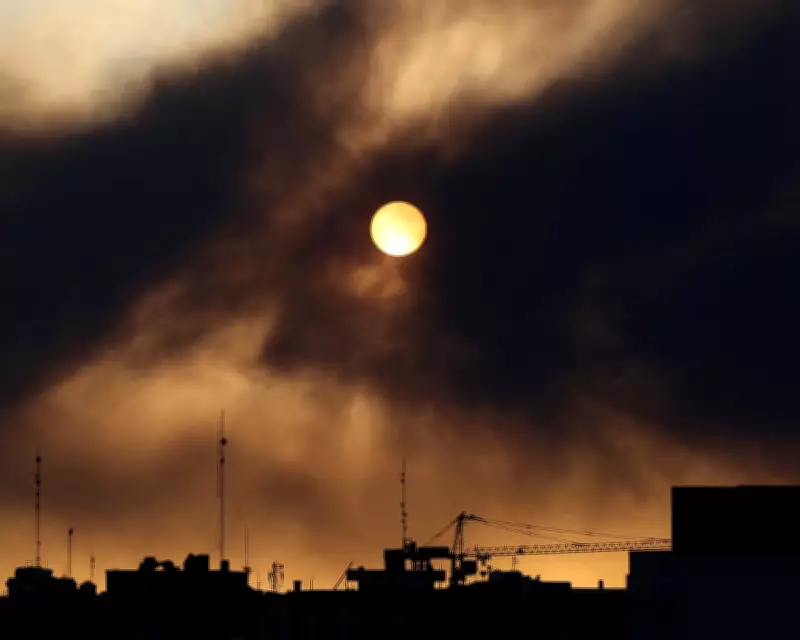
Smoke billowed over Tehran in the aftermath of a coordinated US-Israeli airstrike, raising urgent questions about Iran's political trajectory. With no clear postwar strategy from the attacking nations, analysts are examining potential outcomes ranging from a peaceful transition to devastating chaos. The assault targeted key pillars of Iranian power, including nuclear facilities, missile programmes, and the Islamic Revolutionary Guard Corps (IRGC), with the stated aim of fostering a popular uprising against the clerical regime.
Objectives and Aspirations Behind the Attack
The primary goal of the strike, as articulated by US officials and former President Donald Trump, is to inflict severe damage on Iran's military and nuclear infrastructure. Trump has framed this as a historic opportunity for Iranians to reclaim their government, though regime change remains more an aspiration than a concrete plan. This leaves the situation highly unpredictable, dependent on factors beyond the control of current protagonists.
Four Possible Scenarios for Postwar Iran
Experts have identified four broad scenarios, ranked by their potential for peace rather than likelihood. These outcomes hinge on the responses of Iran's leadership, opposition groups, and international actors.

The Swift Transition: A Dream Scenario
In this idealised outcome, envisioned by US and Israeli leaders, Iran's armed forces and the IRGC would surrender, allowing opposition factions to unite under an interim government. Exiled figure Reza Pahlavi, son of the former shah, is often cited as a potential leader. This government would dismantle Iran's nuclear programme, handing over centrifuges and 440kg of highly-enriched uranium to the US, while granting American oil companies major access to Iran's energy market.
However, analysts deem this scenario highly improbable. Historical precedents suggest that violent overthrows rarely yield democratic results, especially when initiated by aerial bombardment. The IRGC is unlikely to capitulate, fearing retribution, and many Iranians distrust Pahlavi due to his father's authoritarian rule. Nationalist sentiments in any new government could also resist surrendering geopolitical assets.
The Maduro Model: Regime Adaptation
Drawing parallels to Venezuela, this scenario involves the removal of Supreme Leader Ayatollah Ali Khamenei and his replacement by a more cooperative figure, such as former president Hassan Rouhani. The regime would survive but capitulate to US demands, abandoning nuclear ambitions and offering oil concessions in exchange for continued internal control.
While this could end the war swiftly, it requires a new leader willing to enact total surrender, which is uncertain. Compromises might emerge, with Israel enforcing agreements through military threats, but the regime's survival would come at the cost of intensified suppression.
The Regime Weathers the Storm: Resilience and Retrenchment
Here, regime survivors endure the bombing, selecting a hardline successor to Khamenei and continuing missile attacks. With Trump's campaign potentially limited, they might outlast US involvement, leaving Israel to sustain pressure. This is seen as a likely outcome, with the regime hunkering down and possibly accelerating nuclear weapon development underground.
In a worst-case variant, Iran could race to build nuclear warheads using its uranium stockpile, adopting a North Korea-like stance of isolation and paranoia while brutally quashing dissent.
Civil War and Chaos: Fragmentation and Conflict
As bombing drains regime forces, defections and mass protests could erupt, emboldened by perceived weakness. Separatist movements among Azeri, Kurdish, and Baluchi minorities might arm themselves, exploiting border vulnerabilities. Monarchist claims by Pahlavi's followers could clash with other opposition groups, leading to internal strife.
This chaotic scenario risks the 440kg of highly-enriched uranium becoming a contested prize, potentially sold abroad. Though not the most probable, it represents a dire possibility of state collapse and regional instability.

Each scenario underscores the profound uncertainties facing Iran, with implications for Middle East stability and global security. The absence of a coherent postwar plan heightens risks, making the coming weeks critical in determining whether Iran experiences benign change or descends into bloody conflict.