Iran has issued a stern warning to former US President Donald Trump against making further threats and setting unreasonable expectations, following an agreement to hold talks with the United States in Turkey this week. The discussions aim to de-escalate mounting tensions in the Middle East, which have been fueled by Washington's threats of military action and Tehran's harsh crackdown on nationwide protests earlier this year.
Diplomatic Moves Amid Heightened Tensions
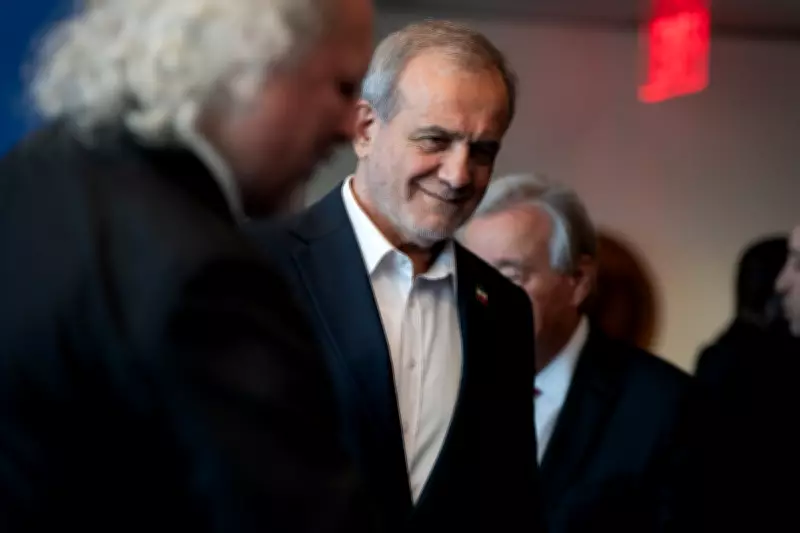
Iranian President Masoud Pezeshkian confirmed that he has instructed the country's foreign minister to prepare for equitable and fair negotiations with the United States. However, he emphasised that these talks must occur in an atmosphere free from threats and unreasonable demands. This comes as Turkey prepares to host the meetings, which are expected to address not only regional security concerns but also the potential resumption of nuclear deal discussions.
Trump's Conditions and Iranian Resistance
The United States, under Trump's influence, has laid out three key conditions for resuming substantive negotiations. These include zero enrichment of uranium in Iran, limits on Tehran's ballistic missile programme, and an end to its support for regional proxy groups. Iranian officials have historically rejected these demands as unacceptable infringements on national sovereignty.

Interestingly, Iranian sources suggest that the regime's clerical rulers view constraints on the ballistic missile programme as a more significant obstacle than uranium enrichment limits. This internal prioritisation could shape the negotiation dynamics as both sides prepare for what promises to be a complex diplomatic engagement.
Regional Diplomacy and International Involvement
The decision to proceed with talks followed requests from friendly governments in the region, according to President Pezeshkian. Several foreign ministers from neighbouring countries have been invited to participate, including representatives from Pakistan, Saudi Arabia, Qatar, Egypt, Oman, and the United Arab Emirates. The UAE has publicly urged both nations to reach a long-term solution to their differences.
The format of the meetings remains somewhat unclear, though sources indicate the main session will take place on Friday. The involvement of regional powers suggests a broader effort to stabilise the Middle East beyond just the US-Iran bilateral relationship.
Military Posturing and Domestic Pressures
Washington has not yet acted on several military threats made by President Trump in January, when he declared he would strike Iran if they continued killing protesters or carried out executions. The US military deployment of several warships to the Middle East, including the USS Abraham Lincoln aircraft carrier, represented a significant show of force aimed at increasing pressure on Tehran.
Within Iran, the regime faces internal pressures that may influence its negotiation stance. High-level meetings have revealed concerns among officials that a US strike could trigger renewed public protests, despite the severe crackdown in January that some estimates suggest resulted in up to 30,000 deaths. Officials have reportedly told Supreme Leader Ayatollah Ali Khamenei that public anger has reached a point where fear is no longer an effective deterrent.
Trump's Mixed Messages and Uncertain Outcomes
In recent comments from the Oval Office, Trump offered contradictory signals about the potential for agreement. While stating that talks are ongoing with Iran and expressing hope for a negotiated deal, he simultaneously warned that bad things could happen if an agreement cannot be reached. When questioned about his threshold for military action against Iran, he declined to provide specific details.
The former president's approach appears to blend diplomatic openness with continued pressure tactics, creating an uncertain environment for the upcoming negotiations. His comments reflect the delicate balance between seeking a diplomatic solution and maintaining a credible threat of military action.

As preparations continue for the Turkey talks, the international community watches closely to see whether these discussions can break the cycle of threats and counter-threats that has characterised US-Iran relations in recent months. The involvement of regional powers and the high stakes surrounding nuclear negotiations suggest that these talks could have far-reaching implications for Middle Eastern stability and global security arrangements.