Iran Launches Retaliatory Strike on Tel Aviv After Security Chief's Death
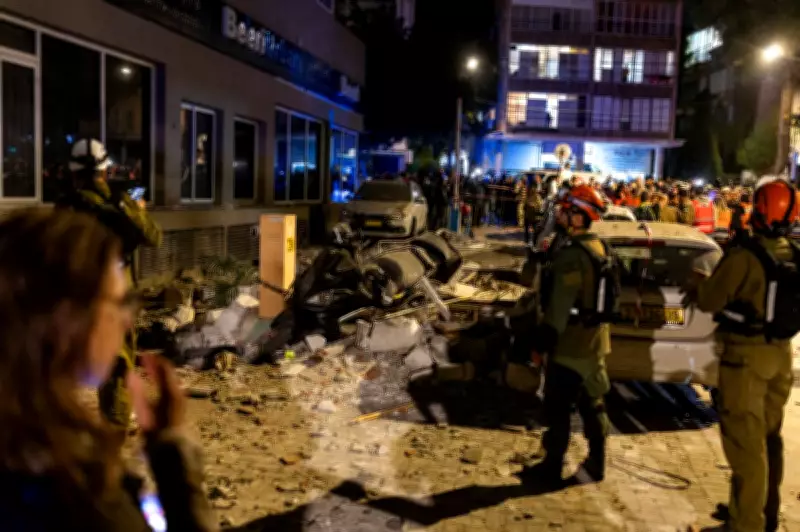
In a significant escalation of the Middle East conflict, Iran has carried out a direct military strike on Tel Aviv, using cluster warheads. This aggressive action comes as a direct retaliation for the killing of Iran's security chief, Ali Larijani, whose death has inflamed tensions in the region.
US Military Response with Bunker Buster Bombs
Simultaneously, the United States has targeted Iranian military sites near the strategically vital Strait of Hormuz. The US deployed powerful "bunker buster" bombs, designed to penetrate fortified underground facilities, marking a robust countermeasure to Iran's offensive. This dual military engagement underscores the volatile nature of the ongoing crisis, with both nations demonstrating their military capabilities in a high-stakes confrontation.
Global Ramifications and Economic Impact
The conflict is having far-reaching consequences beyond the immediate battlefield. In the United Kingdom, millions of citizens are facing rising food prices, exacerbated by the disruption in Middle East supply chains. This economic strain highlights how regional conflicts can trigger global market instability, affecting everyday consumers worldwide.
Satellite Evidence of Widespread Destruction
Recent satellite imagery has provided stark visual evidence of the extensive damage inflicted across the Middle East. These images lay bare the scale of destruction, from urban centers to critical infrastructure, painting a grim picture of the conflict's toll on civilian areas and military installations alike.
Political Stances and International Diplomacy
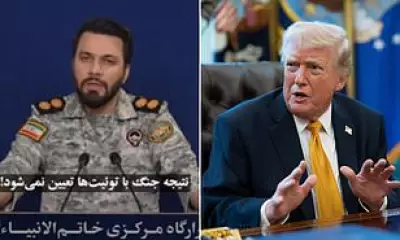
Amid the escalating violence, former US President Donald Trump has made a controversial statement, asserting that American forces do not require Europe's assistance in managing the Iran war. This declaration reflects ongoing debates about international coalitions and unilateral actions in foreign policy, potentially influencing diplomatic efforts to de-escalate the situation.
The situation remains fluid, with analysts warning of further retaliatory measures and broader regional instability. The targeting of Tel Aviv and the US strikes near the Strait of Hormuz represent critical flashpoints that could define the conflict's trajectory in the coming days.