European Officials Urge Vigilance Amid Iran Missile and Terror Threats
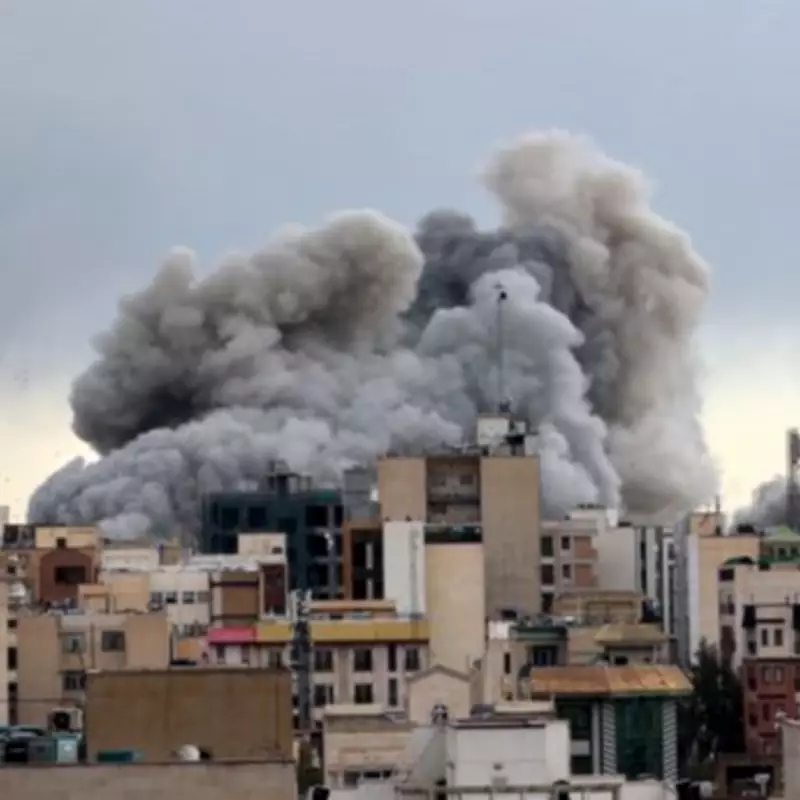
European citizens have been warned that "vigilance is the order of the day" as fears escalate over Iran's ability to strike targets inside Europe and potentially activate terrorist sleeper cells to spark chaos across the continent. This alert follows devastating joint air strikes by the United States and Israel on Saturday morning, which targeted Iran's leadership, including Supreme Leader Ayatollah Ali Khamenei, effectively wiping out key figures in Tehran's hierarchy.
Iran's Retaliatory Missile Barrage and European Reach
In response to the air strikes, Iran has frantically launched missiles and drones at American allies, including Arab states, Israel, and even Cyprus, which hosts British air bases. Among the weapons deployed is the Khorramshahr 4 missile, a derivative of North Korean technology with a range of 1,242 to 1,864 miles. This missile can carry a devastating warhead and, if used in volleys, could reach large areas of Europe, targeting cities such as Rome, Copenhagen, Budapest, Athens, and potentially parts of Greece, Italy, Germany, Poland, and Denmark.
Dr. Sidharth Kaushal, a senior research fellow at the Royal United Services Institute, explained to The Daily Mail that the Khorramshahr 4 was "always speculated that this would have been the delivery vehicle for a nuclear warhead if the Iranians had ever developed one." Additionally, Iran's arsenal includes Shahed suicide drones with a range of 1,242 miles, which, though slower than missiles, can be launched in large numbers to overwhelm air defences and reach parts of Europe.

The Doctrine of Mosaic Warfare and Unpredictable Threats
As the US and Israel continue to target Iran's senior defence leadership, Dr. Kaushal warned that Iran's 'mosaic warfare' doctrine could make it more difficult to predict their next moves. This concept, developed since the 2000s, is built around the idea that if leadership is crippled in a conflict, control devolves to lower levels of command, allowing military operations to continue. "There is a question of just how much authority to do things that might widen the war sits now with people who would not have [ordinarily] controlled," he noted, raising concerns about unpredictable escalations.
Sleeper Terror Cells and European Security Concerns
The air strikes have also heightened fears that Iran could use sleeper terror cells to attack targets across Europe. These cells typically infiltrate a country and remain hidden until activated to carry out terrorist attacks. Marc Henrichmann, a member of the German parliament's intelligence committee, warned that the escalation "doesn't just affect the region itself" and that "Iranian sleeper cells in Europe cannot be ruled out" as part of Tehran's retaliation strategy. This has prompted calls for increased security measures and public awareness.
Public Opinion and Broader Implications
The conflict has sparked mixed reactions, with a Reuters/Ipsos poll revealing that only one in four Americans agree with former President Donald Trump's decision to authorize the strikes, while 43% disapprove and 29% are unsure. Trump previously claimed Iran's nuclear weapons programme had been "obliterated," but concerns persist that the country could develop weapons of mass destruction if left unchecked. The ongoing situation underscores the volatile nature of Middle Eastern geopolitics and its potential to spill over into European security, necessitating a coordinated international response to mitigate risks.