US Officials Warn Iran May Have Activated Global Sleeper Cells
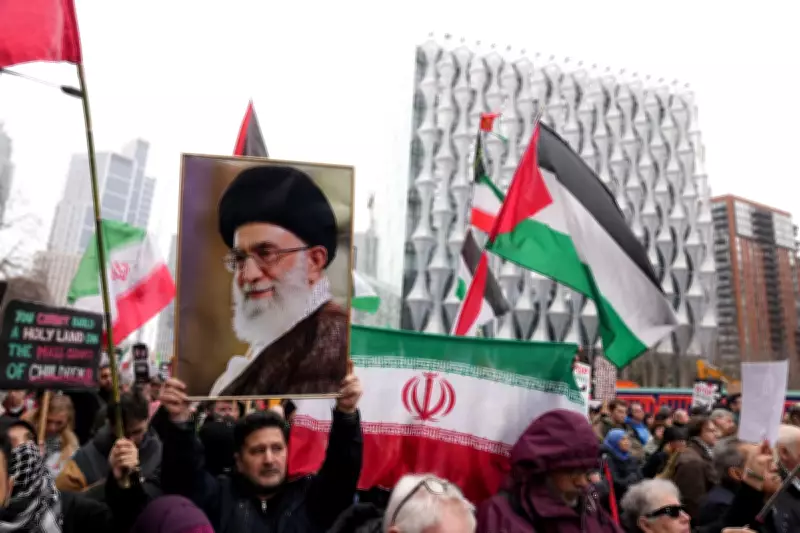
US officials have issued a stark warning that Iran may have sent an operational trigger to activate sleeper assets across the globe, as the conflict with the United States and Israel intensifies. This alert follows the interception of encrypted communications believed to have originated in Iran, transmitted after the death of Supreme Leader Ali Khamenei in a US-Israeli attack on February 28.
Encrypted Communications Intercepted
According to a federal alert sent to law enforcement agencies and reported by ABC News, the intercepted message could be intended to activate or provide instructions to prepositioned sleeper assets operating outside Iran. The alert noted that the transmission was likely of Iranian origin, though the exact contents cannot currently be determined. It emphasized that the sudden appearance of a new station with international rebroadcast characteristics warrants heightened situational awareness among security forces.
However, the alert cautioned that there is currently no operational threat tied to a specific location, urging vigilance without causing public panic. In response, US authorities have called on law enforcement agencies to increase monitoring of suspicious radio frequencies to detect any further activity.
What Are Sleeper Assets?
Sleeper assets, often referred to as sleeper cells, are spies or terrorists who embed themselves in foreign countries, living quiet and unassuming lives until activated for a mission. The US ramped up its monitoring for Iranian sleeper cells last June after President Donald Trump ordered strikes on three major Iranian nuclear sites. New warnings have been issued following the escalation of military airstrikes on Iran that began on February 28.
Escalating Conflict and Casualties
The conflict has widened significantly across the Middle East, with Iran retaliating against Israel and US military bases and allies in the region. At least 10 countries have been targeted through Iran's retaliatory strikes and drone attacks, including Saudi Arabia, the United Arab Emirates, Qatar, Kuwait, Oman, and Bahrain. Iranian forces have also struck US bases or intercepted assets in Iraq, Jordan, and Lebanon.
According to the Associated Press, US and Israeli strikes on Iran have killed at least 1,230 people in the country, while seven US service members have also lost their lives in the conflict. The initial strikes on February 28 resulted in the deaths of dozens of Iranian officials, including Supreme Leader Ali Khamenei. In response, Iranian officials announced on Sunday that his son, Mojtaba Khamenei, would succeed him as the new supreme leader.
US Response and Future Outlook
President Trump commented on the situation on Monday, stating that the US and Israeli campaign in Iran could conclude sooner than previously expected. He told CBS News that he believes the war is very complete, pretty much, citing that Iran has no navy, no communications, and no Air Force. Trump added that the US is now very far ahead of the four to five week timeline he initially gave for ending the conflict, suggesting a potential near-term resolution.
As tensions remain high, the global community is on alert for any signs of activated sleeper cells, with US officials continuing to monitor developments closely to prevent potential attacks and ensure security worldwide.