Iran-Israel Conflict Intensifies as War Enters Second Week
The ongoing war between Iran and Israel has now entered its second week, marking a critical phase with significant developments over the weekend. Iran has officially named Mojtaba Khamenei, son of the late supreme leader, as his successor, a move that has drawn sharp criticism from U.S. President Donald Trump, who labeled the appointment "unacceptable." This leadership change comes as Iran's war strategy gains a new commander, with the powerful Revolutionary Guard pledging full allegiance to the new supreme leader.
Escalating Military Strikes and Civilian Impact
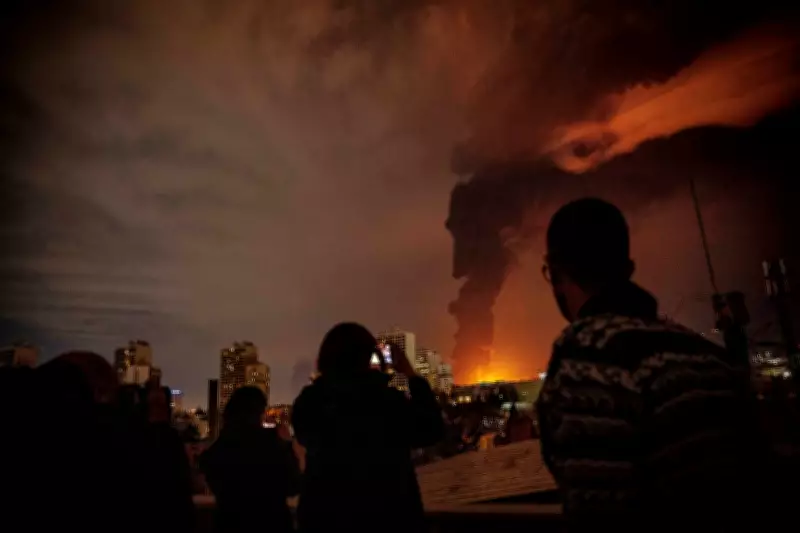
Over the weekend, both sides launched new attacks, including strikes on civilian infrastructure. Bahrain accused Iran of targeting a desalination plant vital for drinking water in Gulf nations, while Israel conducted raids on oil depots in Tehran, causing thick smoke and triggering environmental alerts. Oil prices surged above $100 a barrel, reflecting the growing economic strain of the conflict. The U.S. reported another soldier's death, and Saudi Arabia announced its first fatalities, as anger mounts in Arab countries over Iran's deployment of hundreds of missiles and drones across the region.
Iran's Internal Divisions and Leadership Challenges
Iran's announcement of a new supreme leader followed visible rifts within the country's remaining leadership. President Masoud Pezeshkian issued apologies for attacks on neighboring countries, but hard-liners condemned this stance, insisting the war strategy must continue. Mojtaba Khamenei, who had not been seen publicly since the war began, has yet to make a statement in his new role. He inherits a nation grappling with both the war and domestic unrest, stemming from recent crackdowns on protests. Iran has not updated its death toll, which remains over 1,200, and some citizens continue to flee the country.
Israel's Military Operations and Regional Displacement
Israel intensified its attacks on Iran and the Iranian-backed Hezbollah group in Lebanon, where authorities report over half a million people displaced and more than 300 killed. Prime Minister Benjamin Netanyahu promised "many surprises" in the next phase of the war, as Israel claimed to have destroyed the Revolutionary Guard Air Force headquarters and struck ballistic missile launchers and production facilities. With eleven deaths in Israel since the conflict started, daily alerts about incoming projectiles persist, though most are intercepted.
U.S. Involvement and Global Repercussions
The U.S. military warned Iranians to stay indoors, alleging that Iran is launching attacks from populated areas. Evidence suggests U.S. involvement in a deadly strike on a girls' school in Iran on the war's first day, though Trump blamed Iran. Trump attended the return of fallen U.S. soldiers' remains, with seven confirmed deaths, while families of detainees in Iran fear for their safety. The U.S. has not provided updates on Iran's missile and drone launches, with experts speculating Iran may be conserving resources.
Regional and International Fallout
The head of the Arab League condemned Iran's strategy as "reckless," as Gulf nations intercepted missiles and drones in areas without U.S. military presence. No country besides the U.S. and Israel has admitted to attacking Iran, though some host U.S. facilities. Iran has urged nations not to allow U.S. attacks from their territories, after a missile hit a U.S. Embassy helicopter pad in Iraq. Additional deaths include an Indian and Bangladeshi citizen in Saudi Arabia, two border guards in Kuwait, and a driver in the UAE, with foreign workers comprising most Gulf fatalities.
Global Economic and Travel Disruptions
Globally, the U.S. assured Americans that soaring fuel prices are temporary, while Russia benefits from the surge. Over 32,000 Americans have evacuated the Middle East, but many travelers and pilgrims remain stranded. Nervousness persists at major airports, such as Dubai International, where passengers were moved to train tunnels after explosions, and Kuwait International, where drone attacks targeted fuel tanks. Ukrainian President Volodymyr Zelenskyy announced plans to send experts to advise on countering Iranian drone attacks, indicating broader international involvement.