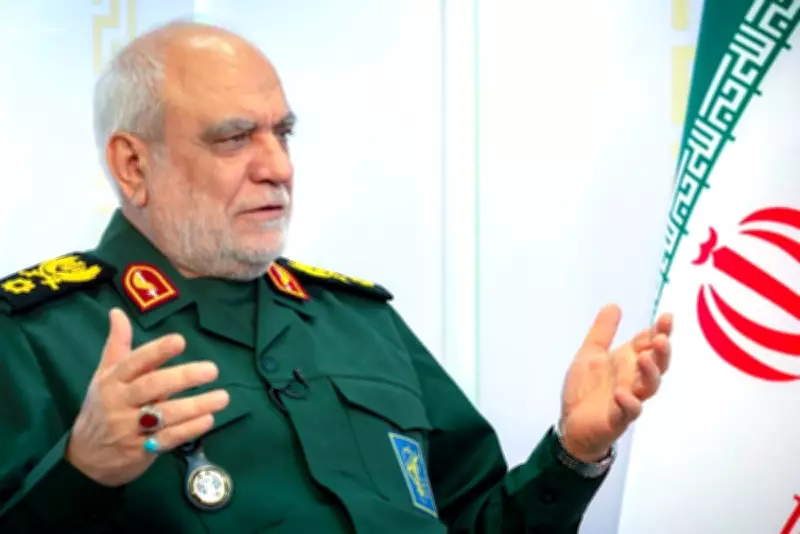
Majid Khademi, the head of the intelligence organisation of Iran's Islamic Revolutionary Guard Corps, was killed on Monday in what Iranian media has described as a targeted attack. Citing official statements from the Guards, reports attribute Mr Khademi's death to a "terrorist attack by the American-Zionist (Israeli) enemy," pointing to escalating hostilities in the region.
Background and Career of the Slain Intelligence Chief
Mr Khademi had assumed his pivotal role in 2025, following the death of his predecessor in Israeli air strikes. His assassination marks the latest in a series of high-profile casualties among key Iranian figures targeted in such operations. With decades of experience, Khademi dedicated his career to intelligence and counter-espionage, steadily climbing the ranks within Iran's complex security apparatus.
Previous Roles and Responsibilities
Before his appointment as intelligence chief, Khademi led the Guards' Intelligence Protection Organisation, a unit tasked with internal surveillance and counter-intelligence efforts. He also held senior positions within Iran's defence ministry, underscoring his deep involvement in national security matters. His expertise spanned both domestic and international intelligence operations, making him a significant figure in Iran's strategic planning.

Regional Implications and Tehran's Response
The killing comes amid heightened tensions, with Tehran issuing warnings following recent threats from former US President Donald Trump. Iranian officials have condemned the attack as an act of aggression, vowing to respond to what they perceive as foreign interference. This incident is likely to further strain relations between Iran and Western powers, particularly the United States and Israel, potentially impacting diplomatic efforts and regional stability.
Analysts suggest that the loss of Khademi could disrupt Iran's intelligence networks, though the long-term effects remain uncertain. The Revolutionary Guard has emphasised its resilience, but the repeated targeting of its leaders highlights ongoing covert conflicts in the Middle East. As investigations continue, the international community watches closely for any retaliatory measures or escalations in this volatile geopolitical landscape.