Iran Launches Drone Strikes on Saudi Arabia and Kuwait Amid Escalating Conflict
Iran Drone Strikes Target Saudi Arabia and Kuwait in Gulf War

Iran launched drone strikes targeting Saudi Arabia and Kuwait in the early hours of Tuesday, marking a significant escalation in the ongoing Middle East conflict that shows no signs of diminishing. The attacks underscore the deepening regional instability as military engagements intensify across the Gulf.

Defensive Responses from Gulf Nations

The Saudi Defense Ministry confirmed that its forces successfully intercepted and destroyed two drones over the kingdom's oil-rich eastern provinces. Simultaneously, Kuwait's National Guard reported shooting down six drones that were attacking both northern and southern areas of the country. These defensive actions highlight the heightened state of alert among Gulf Cooperation Council members facing repeated Iranian aggression.

Contradictory Signals from Washington

Iran's latest offensive against neighboring states coincides with confusing messages from U.S. President Donald Trump regarding the potential duration of hostilities. This ambiguity has injected considerable uncertainty into global markets, causing dramatic fluctuations. On Monday, Trump informed Republican legislators that the conflict would likely be a "short excursion," yet hours later he posted on social media threatening Iran with devastating consequences if they disrupt oil shipments through the Strait of Hormuz.

In response to Trump's statements, Iranian officials emphasized their determination to control the conflict's timeline. Ali Mohammad Naini, spokesperson for the Revolutionary Guard paramilitary force, asserted through state media that "Iran will determine when the war ends." Meanwhile, Kamal Kharazi, foreign policy adviser to Iran's supreme leader, told CNN that Tehran is prepared for prolonged warfare and sees no diplomatic resolution unless international economic pressure forces intervention against American and Israeli actions.

Market Turbulence and Economic Impact

The uncertainty surrounding the conflict's duration triggered volatile trading sessions in U.S. financial markets. Stocks experienced a rollercoaster day, plunging steeply before recovering on hopes that hostilities might be brief. Oil prices whipsawed dramatically, surging to nearly $120 per barrel—the highest level since 2022—before retreating toward $90 as optimism briefly tempered concerns.

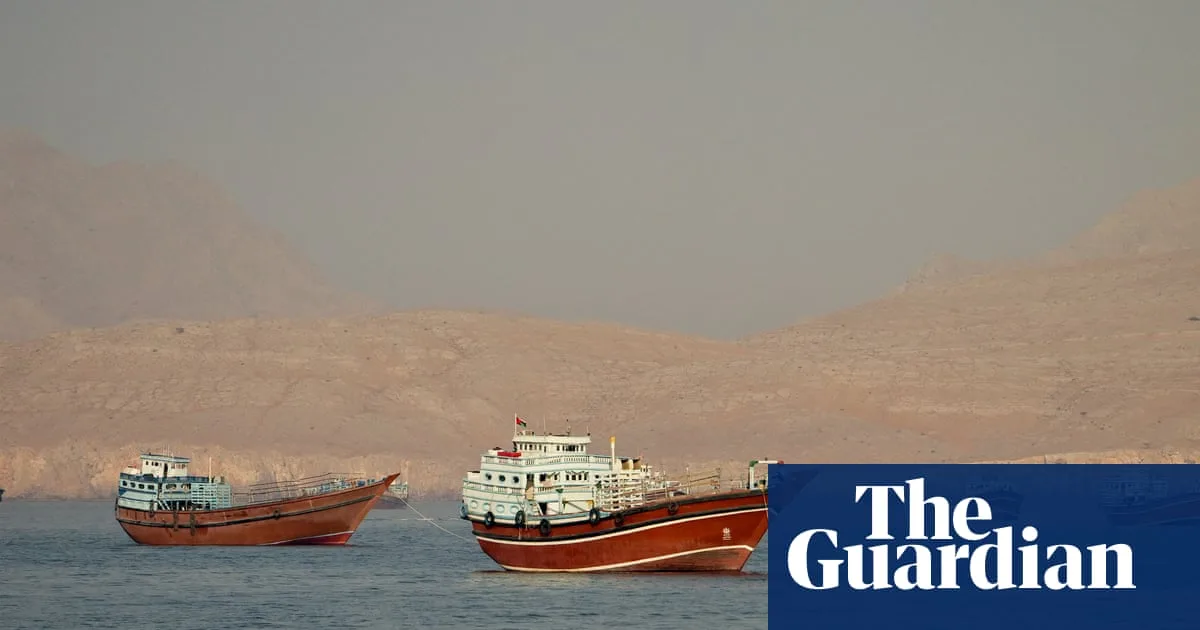
The warfare has severely constrained global oil and gas supplies, driving fuel prices upward across the United States. Iranian attacks targeting the Strait of Hormuz have effectively halted tanker traffic through this crucial maritime corridor, which normally carries one-fifth of the world's petroleum. Additionally, drone and missile strikes have damaged energy infrastructure in major producing nations, compounding supply disruptions.

Humanitarian and Strategic Consequences

The conflict has forced foreign nationals to evacuate business centers while millions seek shelter from bombardment targeting military installations, government buildings, energy facilities, hotels, and educational institutions. According to the International Maritime Organization, assaults on commercial vessels near the strait have resulted in at least seven mariner fatalities.

Several American diplomatic missions have ordered non-essential staff to depart the region. Official casualty reports indicate at least 1,230 deaths in Iran, 397 in Lebanon, and 11 in Israel, alongside seven U.S. service members killed in action. The broadening humanitarian crisis and strategic implications continue to evolve as the conflict persists without clear resolution prospects.