Iran Crisis Intensifies with New Missile Threat and Regional Strikes
The geopolitical landscape in the Middle East has taken a dramatic turn as Iran issued a new missile threat on Tuesday, March 3, 2026, following its closure of the strategic Strait of Hormuz. This development comes amid a series of escalating military actions, with Israel launching fresh attacks on targets in Tehran and Beirut, and the United States vowing to deliver what it described as the hardest hits yet to come in response to the crisis.
Key Developments in the Escalating Conflict
In a rapidly unfolding situation, several critical events have marked the day's top stories. Iran's new missile threat emerged as a direct response to the closure of the Strait of Hormuz, a vital maritime chokepoint for global oil shipments. This move has heightened tensions significantly, raising concerns about potential disruptions to international trade and energy supplies.
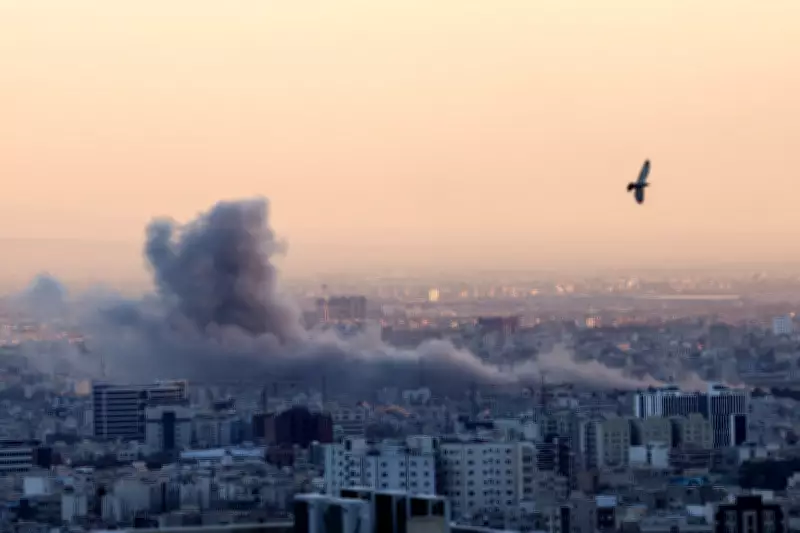
Simultaneously, Israel conducted coordinated strikes on locations in Tehran and Beirut, targeting what it claims are Iranian military assets and proxy forces. These attacks represent a significant escalation in Israel's ongoing efforts to counter Iranian influence in the region, with officials warning of further actions if threats persist.

International Responses and Military Deployments
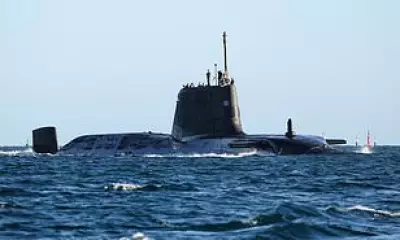
The United Kingdom has responded to the crisis by dispatching a warship to Cyprus, following an attack on a Royal Air Force base by Iranian forces. This deployment aims to bolster regional security and protect British interests, as the UK government condemns the aggression and calls for de-escalation.
In a separate incident, Iran bombed another embassy, prompting the United States to race to evacuate its diplomatic staff from the area. This attack underscores the volatile nature of the conflict and the risks to international personnel stationed in the region.
Covert Operations and Legal Proceedings
Amid the military actions, reports have surfaced detailing how Israeli spies hacked traffic cameras to aid in operations targeting Ayatollah Khamenei, Iran's supreme leader. This covert cyber operation highlights the increasingly sophisticated methods being employed in the shadow war between the two nations, with intelligence agencies leveraging technology to gain strategic advantages.
On a different note, in unrelated legal news, a rapper was sentenced to prison for killing a young man in a hit-and-run crash. While not directly linked to the geopolitical crisis, this case serves as a reminder of ongoing societal issues amidst the broader international tensions.
As the situation continues to evolve, global leaders are urging restraint and diplomatic solutions to prevent further escalation. The combination of military strikes, missile threats, and covert operations paints a complex picture of a region on the brink, with implications for global stability and security.