
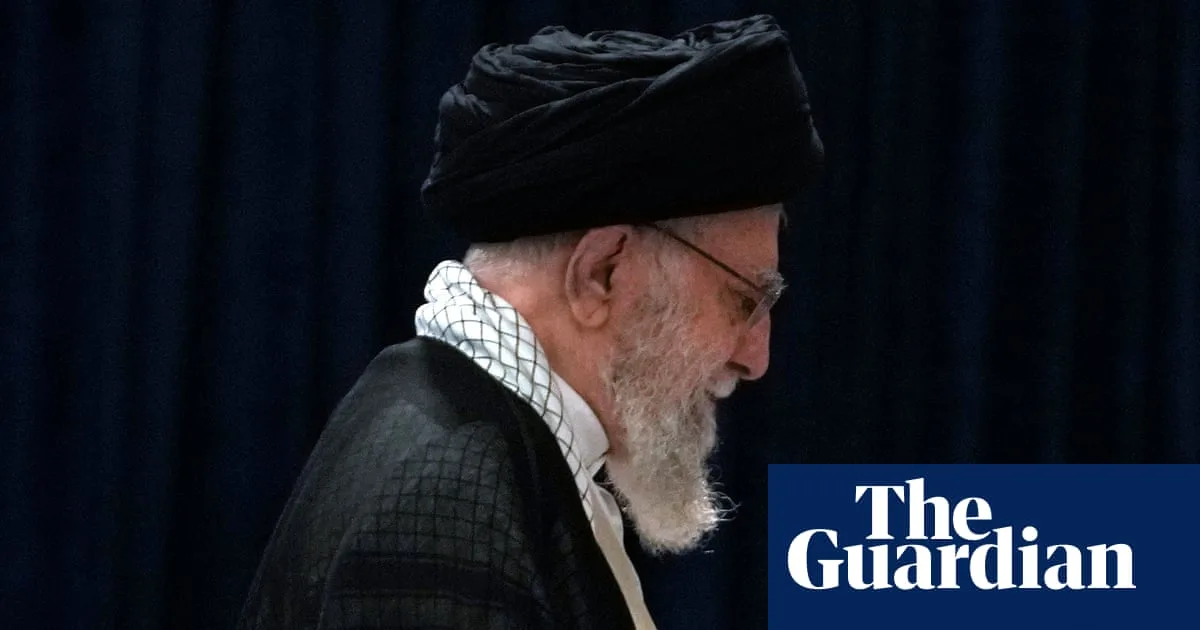
Iranian state media has confirmed the killing of Supreme Leader Ayatollah Ali Khamenei in the opening salvo of a joint US-Israeli military campaign aimed at regime change. The confirmation came early on Sunday, hours after former US President Donald Trump announced Khamenei's death on Truth Social, calling him 'one of the most evil people in history'. Khamenei had not been heard from since the strikes began on Saturday, and satellite imagery showed his secure compound was heavily damaged.
Iranian media also reported that Khamenei's daughter, son-in-law and granddaughter were killed in the strikes. The semi-official Fars news agency, linked to the Islamic Revolutionary Guard Corps (IRGC), confirmed the deaths. Additionally, Iran confirmed the killing of IRGC chief General Mohammad Pakpour and another top security adviser.
The US-Israeli operation, dubbed 'Operation Epic Fury', began with waves of air attacks across Iran. Trump stated the goal was regime change, writing: 'This is the single greatest chance for the Iranian people to take back their Country.' Israeli Prime Minister Benjamin Netanyahu called on Iranians to 'flood the streets and finish the job'.
Iranian media reported 201 people killed and 747 injured in the initial attacks. Iran launched retaliatory strikes targeting US military installations in Bahrain, Kuwait and Qatar, with reports of explosions in the UAE. A missile strike in Tel Aviv killed a 50-year-old woman, the first fatality in Israel since the war began.
Israel's military said it launched another wave of strikes against Iran's ballistic missile and air defence systems early on Sunday. US Central Command said it was 'now delivering swift and decisive action as directed'. The conflict has plunged the Middle East into a new regional conflict with no certain timeline or outcome.
Iran's assembly of experts is expected to convene to select a new supreme leader, though analysts suggest the ultraconservative IRGC may be better positioned to consolidate power. In the interim, President Masoud Pezeshkian, judiciary chief Gholamhossein Mohseni Ejei, and another top official will lead Iran, state media reported.




