A newly announced ceasefire deal between the United States and Iran is sparking intense debate, with many observers characterising it as a significant surrender by the US on the global stage. Critics argue that the agreement undermines American strategic interests and represents a weakening of diplomatic resolve in the Middle East.
Perceptions of Surrender in International Relations
The ceasefire, which aims to de-escalate tensions following recent conflicts, has been met with scepticism from hawkish factions who view it as a capitulation to Iranian demands. Analysts suggest that this move could embolden Iran and its allies, potentially destabilising the region further. The deal includes provisions for reduced military posturing and renewed diplomatic talks, but opponents claim it fails to address core issues such as Iran's nuclear ambitions and support for proxy groups.
Trump's Strategic Dilemma and Available Options
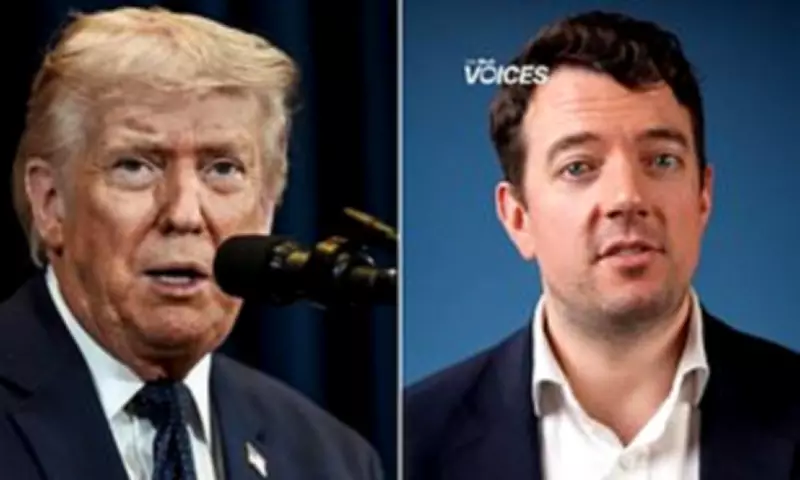
Former President Donald Trump, known for his hardline stance against Iran during his administration, is now faced with a critical juncture. To avoid being labelled with a defeat in this context, he is presented with two primary options. Firstly, he could advocate for a more aggressive renegotiation of the ceasefire terms, pushing for stricter enforcement mechanisms and concessions from Iran. Secondly, Trump might focus on rallying political support to overturn the deal through legislative or public pressure, positioning himself as a defender of American strength.

Both paths carry risks and opportunities, with the potential to shape Trump's legacy and influence future US foreign policy. Supporters of a tougher approach argue that anything less would signal weakness, while proponents of diplomacy emphasise the need for stability and conflict resolution.
Implications for US Global Standing
This development raises broader questions about the United States' role in international affairs. If the ceasefire is widely perceived as a surrender, it could erode trust among allies and encourage adversaries to test American resolve in other arenas. The situation underscores the delicate balance between pursuing peace and maintaining geopolitical leverage, a challenge that will likely dominate political discourse in the coming months.
As debates continue, the outcome of this ceasefire and Trump's response could have lasting effects on Middle East dynamics and US strategic priorities. Observers are closely monitoring how these events unfold, with many anticipating further political manoeuvring and public commentary from key figures.