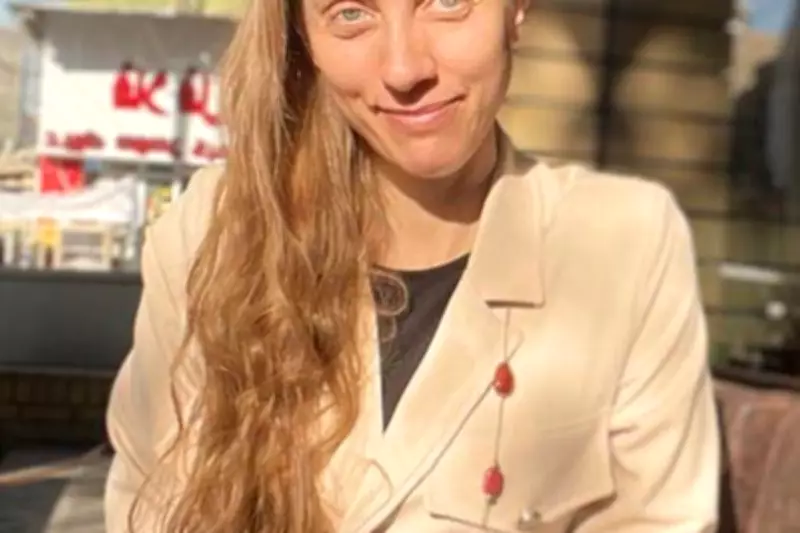
In a significant development, the powerful Iran-backed Iraqi militia Kataib Hezbollah has declared its intention to release American journalist Shelly Kittleson, who was kidnapped from a street corner in Baghdad last week. The announcement was made on Tuesday, 7th April 2026, marking a potential resolution to a tense international incident that has drawn attention from U.S. and Iraqi authorities.
Militia Cites Political Motives for Release
The group stated that its decision to free Kittleson came "in appreciation of the patriotic stances of the outgoing Prime Minister" Mohammed Shia al-Sudani, though it provided no further details on this reasoning. Kataib Hezbollah emphasised that "this initiative will not be repeated in future," suggesting a one-time gesture rather than a change in policy. This marks the first time the militia has publicly acknowledged responsibility for the abduction, after U.S. and Iraqi officials had previously pointed fingers at the group.
Surveillance Footage Captures Abduction Moment
Surveillance footage obtained by The Associated Press appears to show the moment of Kittleson's kidnapping last Tuesday in Baghdad. The clip depicts two men approaching a person standing on a street corner, ushering them into the back of a car after a brief struggle, and driving off. This visual evidence has been crucial in confirming the circumstances of the incident, highlighting the brazen nature of the abduction in a public area.

U.S. Officials Had Prior Warning of Threat
According to an Iraqi intelligence official, U.S. officials were warned of a kidnapping threat made against Kittleson by Iran-affiliated militias before her abduction. In a post on X, Dylan Johnson, U.S. Assistant Secretary of State for public affairs, confirmed that the "State Department previously fulfilled our duty to warn this individual of threats against them." This revelation underscores the ongoing security challenges faced by journalists and foreign nationals in the region, despite advance intelligence.
The situation remains fluid, with more details expected to emerge as the release process unfolds. The case has sparked concerns about press freedom and the safety of media workers in conflict zones, particularly amid tensions involving Iran-backed groups in Iraq.