Hungary's Ultimatum Over EU's €90bn Ukraine Loan in Oil Row
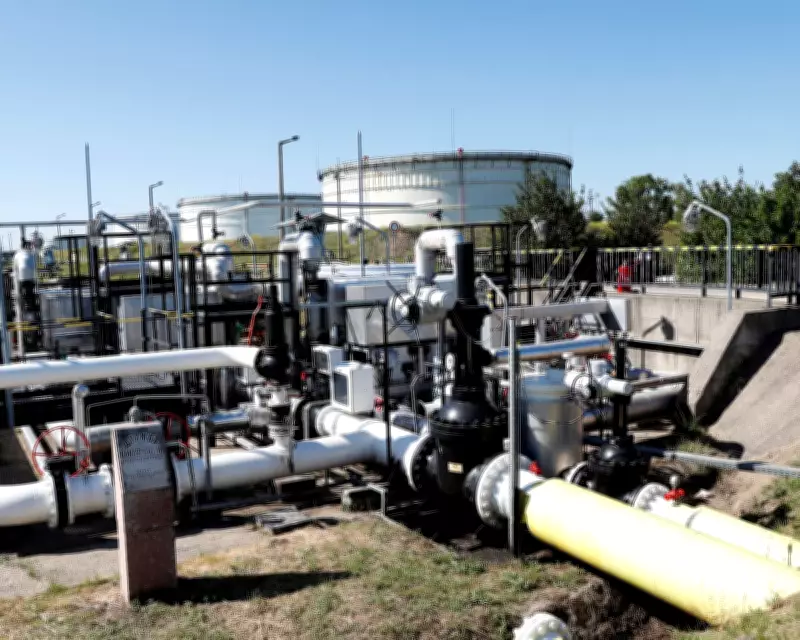
The Hungarian government, led by Prime Minister Viktor Orbán, has issued a stark threat to veto the European Union's €90 billion loan package intended for Ukraine. This move is directly tied to Orbán's demand that Kyiv resumes Russian oil shipments through the Druzhba pipeline, which traverses Ukrainian territory. The pipeline was reportedly damaged during a Russian attack in January, leading to its shutdown and sparking tensions with Hungary and Slovakia, both Kremlin allies.
Pipeline Politics and Economic Pressure
In a forceful statement on Facebook, Orbán declared, "As long as Ukraine blocks the Druzhba pipeline, Hungary will block the €90 billion Ukrainian war loan. We will not be pushed around!" This stance was echoed by Hungarian Foreign Minister Peter Szijjarto, who accused Ukraine of violating the EU-Ukraine Association Agreement by halting oil transit. Slovakian Prime Minister Robert Fico has also escalated the situation, declaring a state of emergency over supply issues and warning of retaliatory measures if the pipeline remains closed. Slovakian Economy Minister Denisa Sakova noted that Ukraine has postponed the resumption of deliveries until 24 February, further straining diplomatic relations.
Zelenskyy's War Update and Military Developments
Amid this geopolitical standoff, Ukrainian President Volodymyr Zelenskyy asserted in an interview with Agence France-Presse that Ukraine is not losing the war against Russia. He highlighted recent counteroffensive successes, claiming the liberation of 300 square kilometres along the southern frontline, though specifics on the timeframe remain unverified. Zelenskyy also addressed challenges, including disruptions from outages in Elon Musk's Starlink internet terminals, which have affected both sides in the conflict.

In a related military advancement, five European nations—Britain, France, Germany, Italy, and Poland—have launched a joint initiative to develop low-cost drones rapidly. This program, named the Low-Cost Effectors and Autonomous Platforms (Leap) initiative, aims to enhance NATO security and European cooperation, with German Defence Minister Boris Pistorius emphasizing the goal of producing innovative defence systems in large quantities within a short timeframe.
Broader Implications and Ongoing Conflicts
The oil dispute underscores broader tensions within Europe as the war approaches its fourth anniversary. Ukrainian drones recently targeted a site in Russia's Udmurtia region, causing injuries and damaging a missile manufacturing plant, according to unofficial reports. Additionally, Ukrainian competitors plan to boycott the Milano Cortina Paralympics opening ceremony in protest against the inclusion of Russian and Belarusian athletes with national flags, a decision by the International Paralympic Committee that has sparked controversy.
Humanitarian concerns persist, with UN Women reporting that over 5,000 women and girls have been killed and 14,000 injured since the invasion began. As Europe grapples with these multifaceted issues, the standoff over the Druzhba pipeline highlights the intricate interplay between energy security, financial aid, and wartime diplomacy.