Houthi Rebels Issue Fresh Red Sea Threat as US Carrier Group Deploys
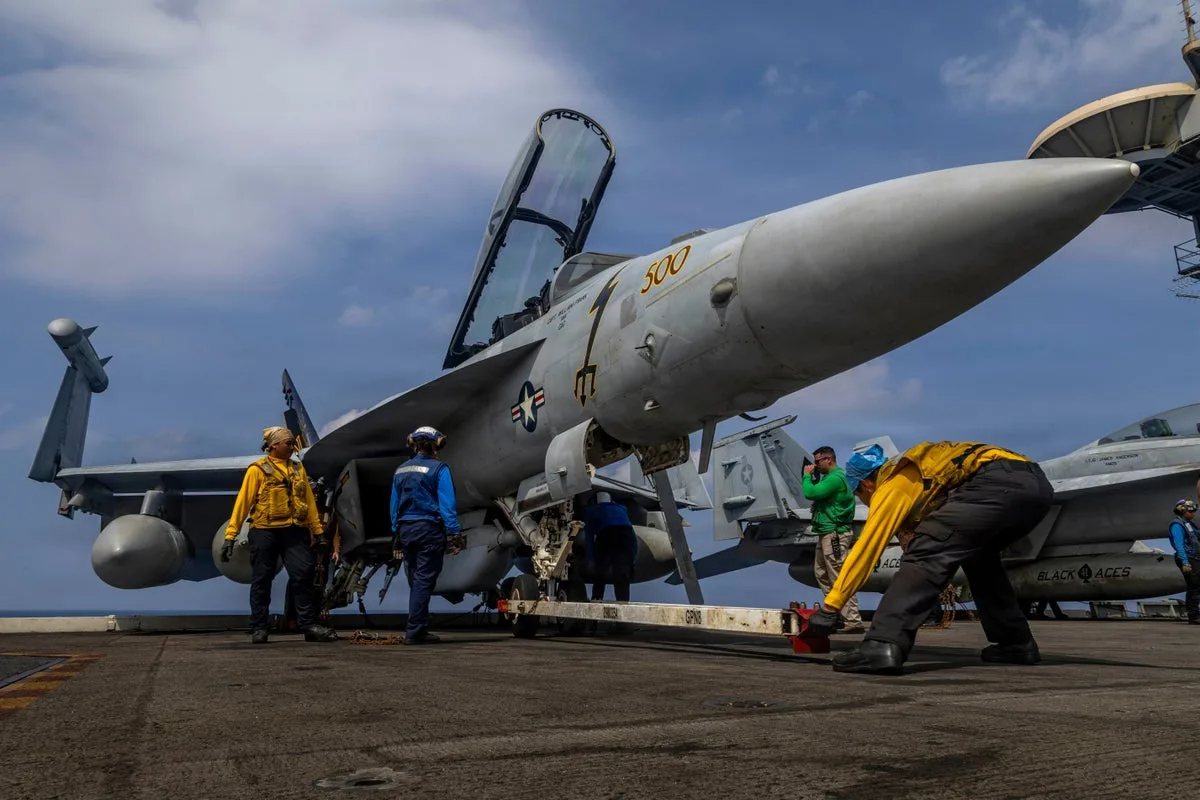
Yemen's Iranian-backed Houthi rebels have issued a stark new threat to attack commercial vessels navigating the vital Red Sea corridor. This warning emerges as the United States Navy dispatches the aircraft carrier USS Abraham Lincoln alongside accompanying guided missile destroyers toward the region, escalating already severe tensions with Iran.
Rebel Campaign and Regional Calculations
The Houthi threat was delivered via a short video featuring previously published imagery of a ship ablaze, captioned simply with the word "Soon." While the rebels offered no further elaboration, this action follows a sustained campaign where they have claimed responsibility for attacks on over one hundred ships. The Houthis have previously stated this maritime pressure was intended to support Hamas by targeting Israel during the Gaza conflict. Although a ceasefire prompted a halt in attacks, the group has consistently warned of their potential resumption.
This renewed belligerence appears timed to signal solidarity with Iran, which faces mounting international pressure. Former US President Donald Trump has explicitly linked the naval deployment to Iran's domestic crisis, stating the ships are moving "just in case" military action becomes necessary. Trump has outlined clear red lines for potential intervention, citing the killing of peaceful protesters and the conduct of mass executions following widespread arrests.
Iran's Defiant Posture and Internal Vulnerabilities
In response to the heightened military presence, Iranian Defense Ministry spokesperson General Reza Talaei-Nik issued renewed warnings on Monday. He cautioned that any attack by Israel or the US would "be met with a response that is more painful and more decisive than in the past." State television quoted him emphasising that such threats necessitate Iran maintaining "full and comprehensive preparedness."
Over the weekend, Iranian authorities displayed a provocative new banner in Tehran's Enghelab Square depicting the USS Abraham Lincoln strewn with bodies and blood, bearing the ominous warning: "If you sow the wind, you will reap the whirlwind." Despite this defiant rhetoric, Iran remains significantly weakened from a devastating 12-day war with Israel in June, which crippled its air defence systems, eliminated top military commanders, and saw its nuclear enrichment sites bombed by American forces.
A telling sign of Tehran's heightened anxiety is a recent notice to pilots, issued on Sunday, banning small private aircraft from Iranian airspace. Exceptions were made only for the oil industry and emergency medical flights. This move follows a pattern of caution, with many Western airlines already avoiding the region entirely due to security concerns, though some Gulf Arab carriers continue to use the route for flights to Moscow. The memory of the 2020 tragedy, when Iranian air defences mistakenly shot down a Ukrainian airliner killing 176 people, looms large over these decisions.
Deepening Crisis from Domestic Protest Crackdown
The underlying catalyst for this international standoff is Iran's severe internal unrest. Protests erupted on December 28th, initially sparked by the collapse of the Iranian rial's value, and rapidly spread nationwide. The theocratic regime responded with a violent crackdown of unprecedented scale, compounded by a near-total internet blackout lasting over two weeks—the most comprehensive in the nation's history.
According to the US-based Human Rights Activists News Agency, the death toll had reached 5,848 by Sunday, with more than 41,280 individuals arrested. The agency, which maintains a network of activists within Iran to verify figures, expects this number to rise further. This staggering toll surpasses any previous round of protest or unrest in decades, evoking memories of the chaos during the 1979 Islamic Revolution. In contrast, the Iranian government has officially reported a far lower figure of 3,117 fatalities, labelling a significant portion of the deceased as "terrorists." Historically, Iranian authorities have been accused of underreporting or failing to disclose accurate casualty numbers during periods of civil unrest.
The convergence of a renewed Houthi maritime threat, a major US naval deployment, and Iran's profound domestic crisis creates a highly volatile situation in the Middle East, with the Red Sea once again emerging as a potential flashpoint for broader conflict.






