
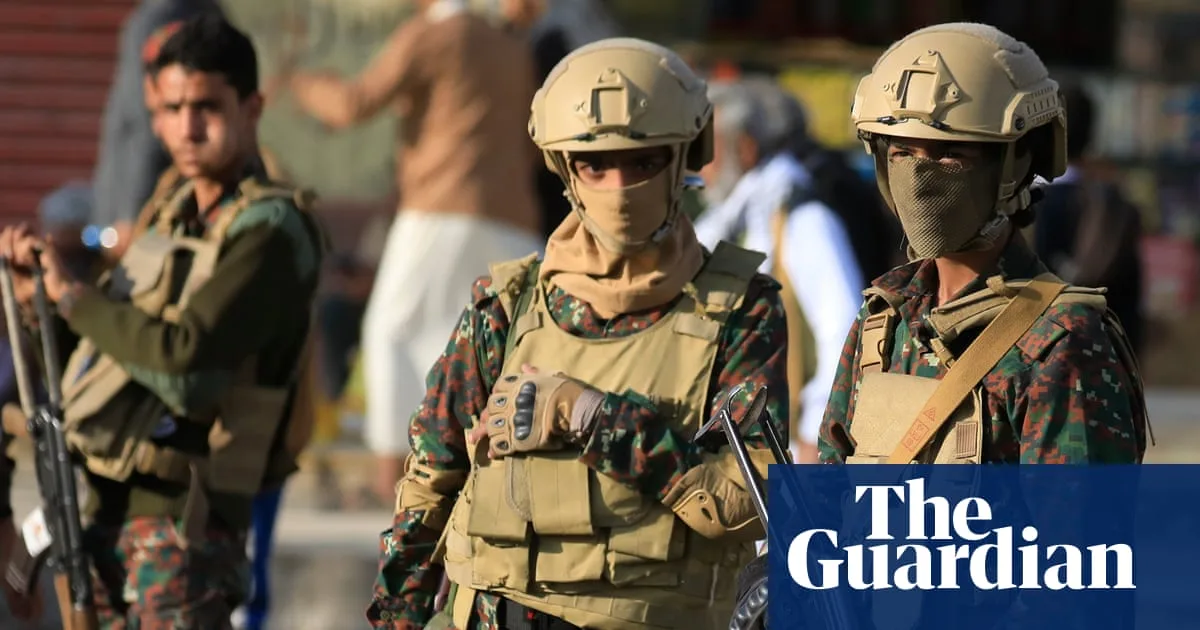
Houthi rebels have detained 20 employees at a UN facility in Sana’a, the capital of Yemen, in a significant escalation of their campaign against international agencies. The group is holding five Yemenis and 15 foreign workers, while releasing another 11 after questioning them on Sunday. This marks the second raid on a UN building in Sana’a within 24 hours.
A UN spokesperson confirmed that officials are in contact with the Houthis and other parties “to resolve this serious situation as swiftly as possible, end the detention of all personnel, and restore full control over its facilities in Sana’a”. A second UN official, speaking on condition of anonymity, said the rebels confiscated all communications equipment from the facility, including phones, servers and computers.
The detained employees belong to agencies including the World Food Programme (WFP), Unicef and the Office for the Coordination of Humanitarian Affairs. The Houthis have been conducting operations against international organisations in rebel-held areas such as Sana’a, Hodeidah and Saada province.
Scores of people, including more than 50 UN staffers, have been detained so far by the Iran-backed group. A WFP worker died in detention earlier this year in Saada. The rebels have alleged without evidence that detained UN staffers and those working with other international groups and foreign embassies were spies, accusations the UN has denied.
The UN suspended its operations in Saada after the detention of eight staff in January. It also relocated its top humanitarian coordinator from Sana’a to the coastal city of Aden, which serves as the seat of the internationally recognised government.




