Hezbollah, the Iran-backed militant group, has issued a directive ordering Israelis residing in areas within five kilometres of the Lebanese border to immediately leave their homes. This evacuation order was reported by Iranian state broadcaster Press TV, with Hezbollah citing the Israeli army's aggression against Lebanese sovereignty and civilians as the primary justification for the move.
Israeli Airstrikes Target Hezbollah Centres in Beirut
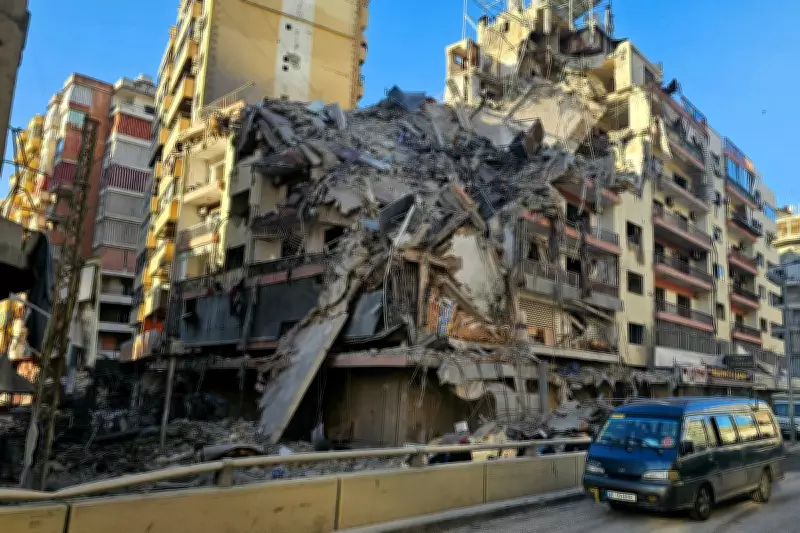
The evacuation order comes in the wake of a series of fierce Israeli military airstrikes conducted in southern Beirut. Specifically, the Israeli Air Force targeted Hezbollah infrastructure located in the Dahieh district, a stronghold of the group. According to military sources, multiple blasts were heard across Beirut as the strikes unfolded, causing significant disruption and raising tensions in the region.
Broad-Scale Operation Against Hezbollah
In what has been described as a broad-scale operation, the Israeli Air Force executed 26 strikes aimed at degrading Hezbollah's operational capabilities. Key targets included a Hezbollah executive council command centre, which is crucial for the group's strategic planning and coordination. Additionally, a facility used for storing unmanned aerial vehicles (UAVs) deployed in attacks against Israel was also hit during the raids.

The Israeli Defence Forces (IDF) have stated that measures were taken to mitigate civilian harm during these operations, emphasising their focus on military objectives. However, the intensity of the attacks has escalated fears of a broader conflict, with Hezbollah's response now including the evacuation order for Israelis near the border.
Regional Implications and Escalating Tensions
This development marks a significant escalation in the ongoing hostilities between Israel and Hezbollah, which have been simmering for months. The evacuation order not only heightens the immediate security risks for civilians in the border regions but also underscores the volatile nature of the conflict. Analysts warn that such moves could precipitate further military engagements, potentially drawing in other regional actors.
Hezbollah's reliance on Iranian support and its strategic positioning in Lebanon add layers of complexity to the situation, with implications for regional stability. The group's ability to mobilise and issue such directives reflects its entrenched influence in Lebanese politics and security affairs.
As the situation continues to evolve, international observers are closely monitoring for any signs of de-escalation or further military actions. The evacuation order serves as a stark reminder of the human cost of such conflicts, with civilians often caught in the crossfire of geopolitical manoeuvres.