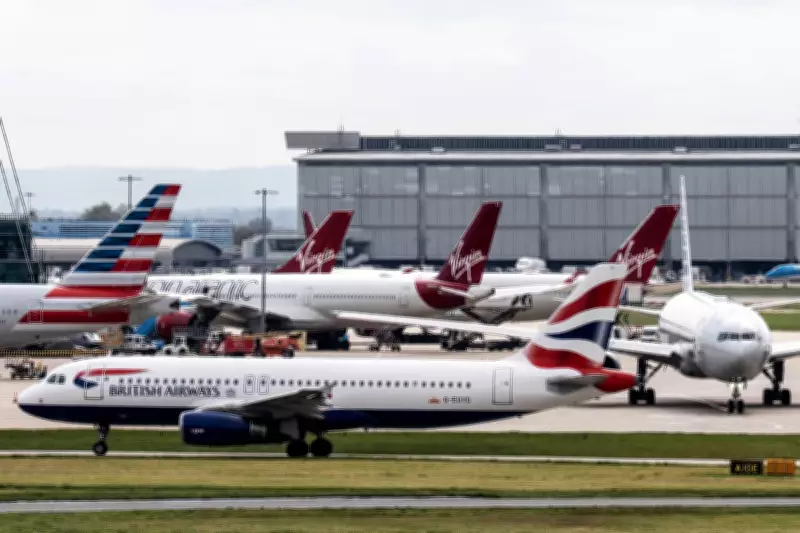
Heathrow airport has issued a warning that its passenger numbers for the remainder of the year are likely to be affected by the ongoing conflict in the Middle East. The west London hub reported that 18.9 million travellers passed through its four terminals during the first quarter of 2026, marking a 3.7% increase compared to the same period last year.
Impact of Middle East Conflict
The airport attributed the rise in passenger numbers to temporarily absorbing demand from other routes. Typically, around half a million passengers per day use airports in Dubai, Doha, or Abu Dhabi, which serve as critical hubs for travel between Europe, Asia, and Australia. However, airspace closures following the outbreak of the war on February 28 severely disrupted air travel. While much of the region's airspace has since reopened, many travellers remain reluctant to fly through the area due to the conflict.
In a trading update, Heathrow stated: "While Heathrow has temporarily absorbed demand from elsewhere, passenger numbers for the rest of the year are likely to be impacted whilst there is significant uncertainty in the Middle East."

Third Runway Plans
Meanwhile, Sally Ding, Heathrow's chief financial officer, declared that the airport is prepared to proceed with its plans for a third runway, provided the right regulatory framework and government policies are in place. She emphasised that Heathrow is currently operating at full capacity, which results in fewer choices and higher fares for passengers, as well as missed opportunities for the UK economy.
Financial Performance
Heathrow's first-quarter revenue increased by 2.3% year-on-year to £844 million, driven by higher passenger numbers, increased food and beverage sales, and greater uptake of premium services. However, adjusted operating costs rose by 6.5%, primarily due to higher wages, national insurance payments, IT investments, and an increase in the number of passengers requiring assistance.