Homeland Security Resumes Global Entry Program After Shutdown Chaos
The Department of Homeland Security has officially restarted the Global Entry program, marking a significant relief for travelers after a suspension lasting just over two weeks. This move comes in response to the partial government shutdown that had severely disrupted airport operations across the United States.
Program Details and Initial Suspension
Global Entry is a trusted traveler program designed for pre-approved, low-risk individuals. It enables participants to use expedited kiosks for a fee when entering the United States from international destinations, significantly reducing wait times at airports and other ports of entry. The suspension was announced on February 22, with Homeland Security officials stating it would remain in effect as long as the partial shutdown persisted.
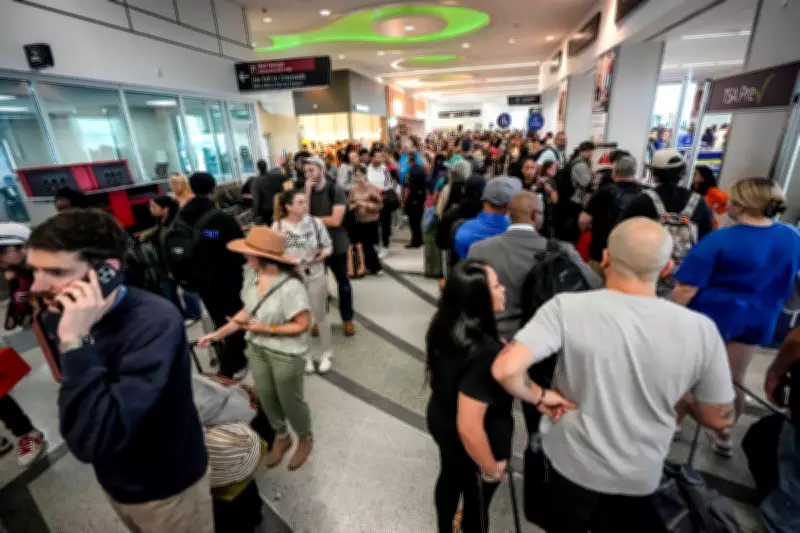
During the halt, U.S. Customs and Border Protection workers who typically staff the Global Entry program were reassigned to process all other arriving travelers. This reallocation of resources contributed to the formation of long security lines at several major U.S. airports over the past weekend, sparking widespread concerns about the potential impact on the busy spring travel season.
Root Causes and Political Context
The partial government shutdown commenced on February 14, following a deadlock between Democrats and the White House over legislation to fund Homeland Security. Democrats are pushing for modifications to immigration operations that are central to President Donald Trump's deportation campaign, creating a political impasse that has directly affected travel infrastructure.
The recent disruptions have reignited discussions on preventing such slowdowns in airport security during future political standoffs. Proposals include expanding the outsourcing of security screening to more airports while maintaining oversight by the Transportation Security Administration (TSA).
This restart of the Global Entry program is a critical step towards normalizing travel procedures, but it underscores the ongoing vulnerabilities in the system when political disagreements lead to operational halts.