Rafah Crossing Reopens: Gaza's Gateway Stirs After Years of Isolation
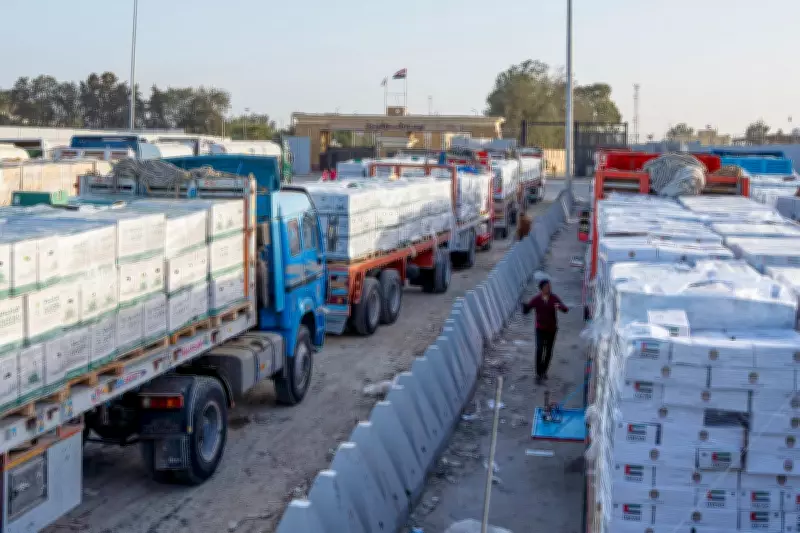
The Rafah border crossing between Gaza and Egypt is buzzing with activity as limited travel to and from the territory is set to resume, marking a significant shift after years of near-complete isolation. This development follows Israel's announcement on Sunday that the crossing has opened in a test phase, with preparations underway for fuller operation.
Initial Steps and Supervision
According to COGAT, the Israeli military agency overseeing aid to Gaza, the crossing is being actively prepared, and residents will begin passing through once these preparations are complete. Palestinian security officers have already moved through the Egyptian gate to join an EU mission that will supervise exit and entry, as confirmed by an anonymous Egyptian official. Additionally, ambulances have crossed, indicating early movements at the site.
Limited Travel and Medical Evacuations
Initially, only a few people will be allowed to cross, with no goods permitted. Prime Minister Benjamin Netanyahu has stated that Israel will permit 50 patients per day to leave, each accompanied by two relatives, while around 50 people who left Gaza during the war will be allowed to return daily. Zaher al-Wahidi, head of Gaza's Health Ministry documentation department, noted that the ministry has not yet been notified about the start of medical evacuations, despite hopes from about 20,000 Palestinians needing medical care.

Historical Context and Ceasefire Progress
Rafah, viewed by Palestinians as their gateway to the world, has been largely shut since Israel seized it in May 2024, citing efforts to combat Hamas arms smuggling. It was briefly opened for medical evacuations during a ceasefire in early 2025. The current reopening is a key step in the second phase of a U.S.-brokered ceasefire agreement that took effect on October 10, 2025, following over two years of war that began with a Hamas-led attack on October 7, 2023.
Security and Future Prospects
Israel and Egypt will vet individuals for exit and entry, with European Union border patrol agents supervising the process. The number of travelers is expected to increase over time if the system proves successful. Egypt has emphasised that the crossing must remain open for both entry and exit to prevent fears of Israel pushing Palestinians out of the enclave.
Broader Implications
This move aligns with the ceasefire's second phase, which includes installing a new Palestinian administrative committee for Gaza, deploying an international security force, disarming Hamas, and initiating rebuilding efforts. Before the war, Rafah was the main crossing for people moving in and out of Gaza, with other crossings shared with Israel, and under the ceasefire terms, Israel's military controls the area between the crossing and the Palestinian residential zone.