A fragile Christmas truce in Gaza was threatened by a fresh outbreak of violence, casting a dark shadow over the holiday for the war-battered territory's dwindling Christian population and prompting Israeli Prime Minister Benjamin Netanyahu to vow retaliation.
Subdued Celebrations Amidst the Sound of War
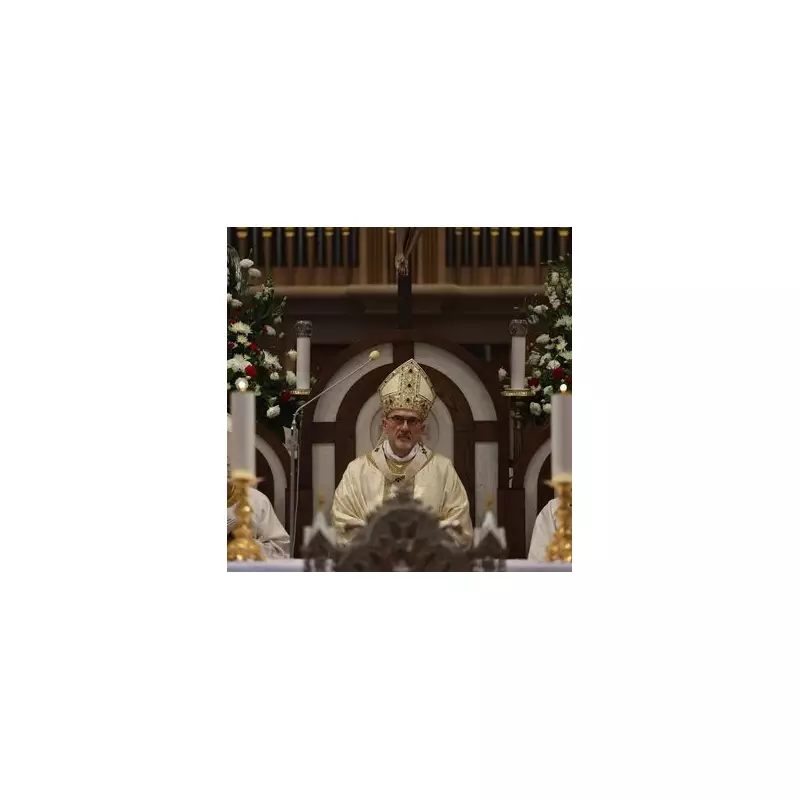
For the 500 to 1,000 Christians estimated to remain in the Gaza Strip, Christmas was a sombre and fearful occasion. The sound of bombardment continued through the night and into Christmas morning, forcing most churches to scale back or cancel public festivities entirely. According to reports, celebrations were replaced by small, private gatherings and prayers within church walls, with one observer noting "there was no true sense of celebration."
This grim reality stood in stark contrast to the West Bank city of Bethlehem, where Palestinian Christians marked their first full Christmas in two years. Meanwhile, the precarious ceasefire that has held since October 10 faced severe strain from a series of violent incidents.

Christmas Eve Violence Threatens Fragile Truce
The tensions escalated on Christmas Eve. In northern Gaza's Jabalia, Israeli forces opened fire, killing a Palestinian man identified as Ayoub Abdel Ayesh Nasr and wounding two others. This incident followed multiple Palestinian deaths that each side has blamed on the other.
In a separate event in southern Gaza's Rafah, an explosive device detonated, wounding an Israeli soldier. Prime Minister Netanyahu immediately labelled the explosion a ceasefire violation and stated Israel would "respond accordingly." Hamas denied responsibility, suggesting the device was left behind by Israeli forces and reiterating its commitment to the October 10 agreement.
High-Stakes Diplomacy and Hostage Negotiations Continue
Against this volatile backdrop, diplomatic efforts continued. An Israeli delegation met officials from mediating countries in Cairo, Egypt, on Wednesday to discuss the return of the remains of the last Israeli captive, police officer Ran Gvili. The mother of the remaining hostage has pleaded for their return before negotiators advance to the ceasefire's second phase.
That next phase presents even greater challenges, including the proposed deployment of an international force, the creation of a technocratic governing body for Gaza, the disarmament of Hamas, and further Israeli troop withdrawals. The fundamental disagreements remain stark: Hamas insists it will only disarm once a Palestinian state is established, a condition Israel flatly rejects.
Prime Minister Netanyahu is scheduled to meet US President Donald Trump at the White House next week, where the next phase of the US president's Gaza plan, which ultimately calls for Hamas to disarm and relinquish governance, will be a primary topic.