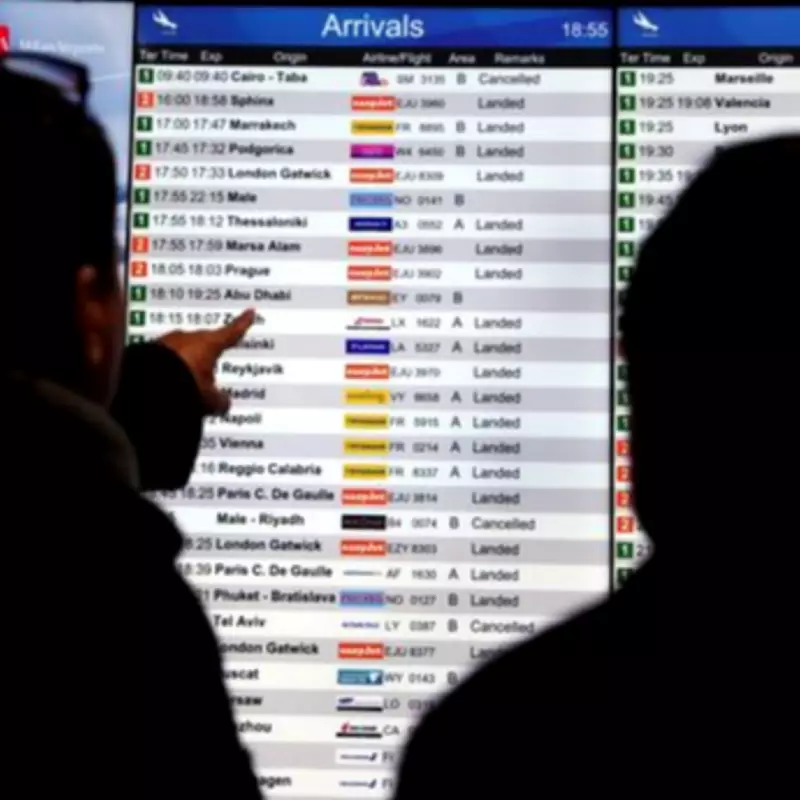
The Foreign, Commonwealth & Development Office (FCDO) has issued updated travel guidance for British nationals currently stranded in seven Middle Eastern countries, as the regional situation continues to evolve rapidly. This move comes amid widespread flight disruptions and security concerns, affecting an estimated 132,000 Brits who have registered their presence in the area with the FCDO.
Targeted Advice for Specific Countries
In a recent social media update, the FCDO provided specific recommendations for Brits in Bahrain, Israel, Kuwait, Palestine, Qatar, Saudi Arabia, and the United Arab Emirates (UAE). The guidance focuses on safe departure strategies, including avoiding certain road routes and monitoring commercial flight availability. Notably, the advice highlights that international borders in Israel and Palestine, such as the Taba border crossing with Egypt, could close without warning, urging travellers to consult local authorities and review the latest travel advisories before attempting to cross.
Detailed Guidance for UAE Residents
For those in the UAE, including Dubai, the FCDO has emphasised that only a limited number of commercial options are available, primarily via air from the UAE or Oman. The office advises that if presence in the UAE is non-essential, individuals should consider departing if they can access these options safely. Key recommendations include checking for updates from airlines and local authorities, verifying border crossing statuses, and not travelling to airports without confirmed reservations. Additionally, Brits are urged to maintain access to emergency supplies and essential medications, while acknowledging that travel within or out of the UAE carries personal risk.
Flight Operations and Safety Measures
Despite ongoing disruptions, some flights have resumed on limited routes to repatriate Brits, with services from Dubai operating since March 3. Airlines such as Emirates, Etihad, and Virgin Atlantic are running restricted schedules, including flights from Dubai and Riyadh to London-Heathrow. The FCDO stresses that all travel remains at the individual's own risk and advises Brits to continuously review departure plans, ensure travel documents are up-to-date, and follow local authority instructions. A Regional Risks section in the advice outlines areas to avoid and suggests alternatives, but the overarching message is one of caution and preparedness.
Registration and Ongoing Monitoring
Brits still in the Middle East are encouraged to register their presence on the FCDO website to receive the latest updates, a service exclusive to UK passport holders. As the situation is fluid, the FCDO recommends always checking the most recent travel advice before making any plans, underscoring the importance of staying informed through official channels to navigate the complexities of travel in this volatile region.