Farage Condemns Trump's 'Over the Top' Iran Threat as Friendship Splinters
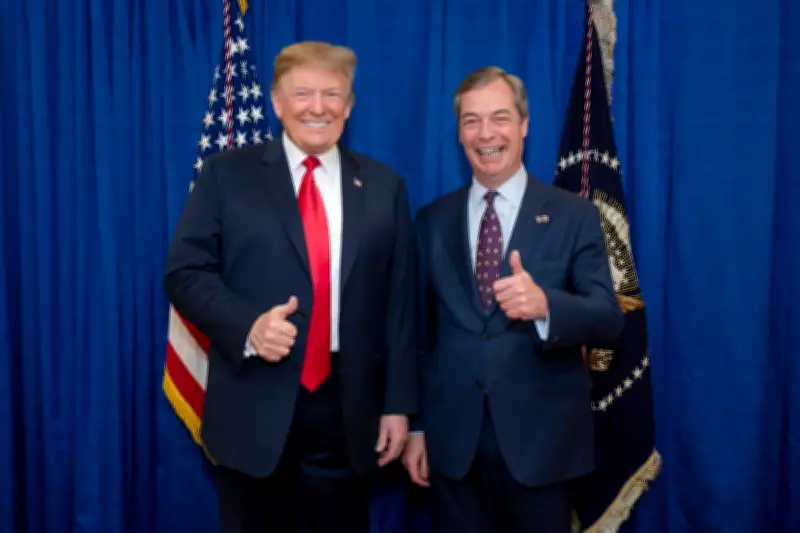
Nigel Farage has publicly turned against his long-time ally Donald Trump after the US president threatened that "a whole civilisation will die tonight, never to be brought back again" in his latest inflammatory remarks about Iran. The Reform UK leader, who has frequently celebrated his relationship with Mr Trump, expressed profound shock at the US president's social media post, which represents a significant escalation in rhetoric against Tehran.
'Way Too Far' Comments Mark Political Rift
Speaking as he departed a local election campaign event in Bedworth, Warwickshire, on Tuesday, Mr Farage declared the comments went "way too far," signaling a rupture in their political friendship that reportedly began in 2016. "I am quite shocked just to hear that. That is over the top in every single way," he stated after reading the initial lines of the post.
"Yes, of course, he wants to threaten – to get them to the negotiating table. But those words are... they're way too far," Mr Farage emphasized. He added context by noting: "He's an upset, angry American president. He's wholly unconventional, but I would remind you of what Churchill said about the bombing of Germany during the war. Some quite extraordinary things were said there as well."

Trump's Ultimatum and Escalating Threats
In his Truth Social post, Mr Trump once again demanded that Tehran agree to open the Strait of Hormuz, a crucial shipping lane currently under Iranian blockade, by 1am BST. He issued an ultimatum, warning he would execute his threat unless Iran capitulates to his demand for a ceasefire deal and access to the strait, remarking, "I don't want that to happen, but it probably will."
Mr Trump wrote: "However, now that we have Complete and Total Regime Change, where different, smarter, and less radicalised minds prevail, maybe something revolutionarily wonderful can happen, WHO KNOWS? We will find out tonight, one of the most important moments in the long and complex history of the World. 47 years of extortion, corruption, and death, will finally end. God Bless the Great People of Iran."
This post constitutes the latest in a series of threats from the US president, who has previously menaced attacks on Iranian civilian infrastructure—actions the United Nations classifies as war crimes.
UK Government's Ambiguous Stance on Military Cooperation
Downing Street has declined to clarify whether the United Kingdom would prevent the United States from potentially utilizing British assets for strikes on Iranian infrastructure. Prime Minister Sir Keir Starmer previously authorized America to employ British military bases, including Diego Garcia in the Indian Ocean and RAF Fairford in Gloucestershire, for "defensive" strikes targeting Iranian missile sites.
When questioned about whether the government would obstruct UK assets from being used for infrastructure strikes, the prime minister's official spokesman responded: "We won't be providing a running commentary on allies' operations, including their use of bases. Just to point out that our position on this hasn't changed. The agreement in place for the US to use UK bases for collective self-defence of the region, including US defensive operations to degrade missile sites and capabilities used to attack ships in the Strait of Hormuz."
The spokesman asserted that the UK's "principles have been clear from day one" and are outlined in "legal advice."
Political Reactions and International Diplomacy
Liberal Democrat leader Ed Davey, a vocal critic of Mr Trump, urged the government to revoke US access to UK air bases for further missions. "After Trump's latest shocking threats, Keir Starmer faces a choice. Withdraw US access now to UK air bases, or risk letting British soil be used to commit war crimes," he posted on social media platform X.
Concurrently on Tuesday, the United Kingdom chaired a meeting of military planners from a coalition of nations exploring long-term measures to secure the Strait of Hormuz. The discussions were anticipated to concentrate on strategies for an international coalition to ensure the strait's safety for shipping once hostilities conclude.

The escalating situation underscores deepening tensions in UK-US relations and highlights the complex diplomatic challenges facing the British government as it navigates alliances amid volatile international threats.