
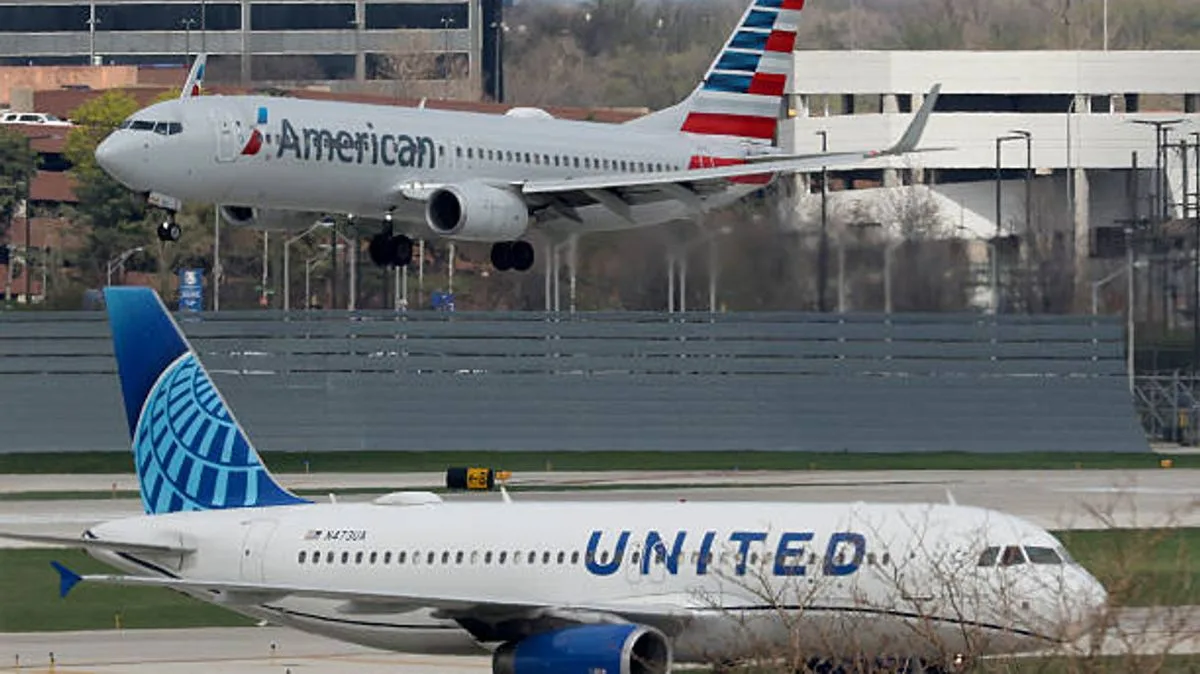
The Federal Aviation Administration (FAA) has compelled airlines at Chicago O'Hare International Airport to cut nearly 2,700 flights in May to prevent operational disruptions ahead of summer. The move comes after less than 60% of arrivals and departures were on time last summer, with peak-day flights expected to rise by almost 15% this year.
Major carriers American Airlines and United Airlines have collectively shelved 2,696 roundtrip flights, averaging 87 per day. American cut 787 round trips, reducing its May total from 32,410 to 31,623, affecting 24 routes with at least 10 rotations removed. United accounts for the bulk, cutting 1,909 services from 43,271 to 41,362, impacting 53 routes with 10 or more departures cut.
The cuts extend beyond O'Hare, with United also reducing flights at George Bush Intercontinental, Los Angeles International, and San Francisco International airports. FAA Administrator Bryan Bedford stated: 'We appreciate the airlines working together with us to reach a responsible level of operations that strengthens safety and delivers a more reliable travel experience for the American public.'
While the reductions are marginal relative to O'Hare's overall operations, they will still affect travellers. The FAA announced in April it would take 'action to prevent endless delays and cancellations at Chicago O’Hare,' aiming to improve performance in 2026.




