Exiled Awami League Plots Political Comeback from Indian Safe Haven Ahead of Bangladesh Election
Exiled Awami League Plots Bangladesh Comeback from India

Exiled Awami League Leaders Orchestrate Political Return from Indian Sanctuary

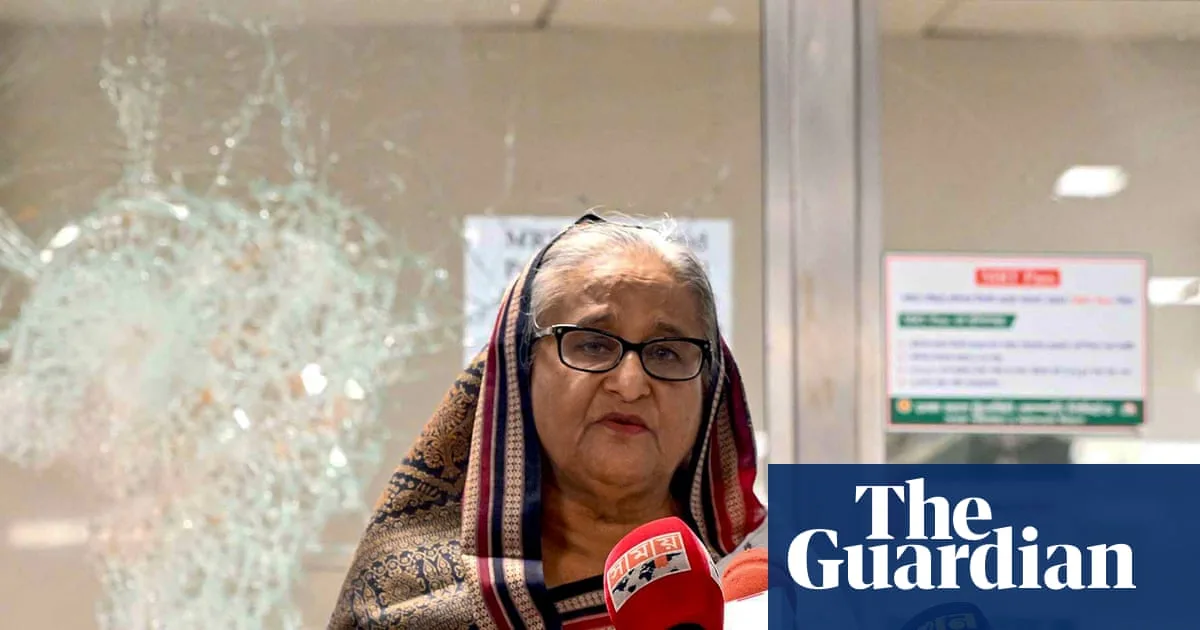
In the bustling food courts of Kolkata's shopping malls, over black coffee and Indian fast food, a group of exiled Bangladeshi politicians are meticulously planning a dramatic political comeback. These figures, all members of the suspended Awami League, have found refuge in the Indian city close to the Bangladeshi border following a violent revolution that toppled their leader, Sheikh Hasina, more than sixteen months ago.

A Dramatic Flight and Bloody Aftermath

The catalyst for their exile was a popular uprising against Prime Minister Sheikh Hasina's autocratic regime, which forced her to make a dramatic escape by helicopter to India as enraged protesters marched towards her official residence. The streets she left behind were scenes of carnage; a United Nations report suggests her regime's final crackdown during the July uprising resulted in approximately 1,400 fatalities.

In the chaotic aftermath, thousands of party members fled Bangladesh, escaping mob violence and a mounting list of criminal charges alleging complicity in the regime's actions. Over six hundred Awami League figures, including former ministers and MPs, sought sanctuary in Kolkata, where they have remained in hiding ever since.

Wide Pickt banner — collaborative shopping lists app for Telegram, phone mockup with grocery list

India's Crucial Role and Legal Battles

India has proven to be an indispensable lifeline for the party's continued operations. Despite the interim government in Bangladesh, led by Nobel laureate Muhammad Yunus, bowing to public pressure last May to suspend the Awami League and ban all its activities, organisational work continues from across the border. The party's senior leadership faces investigation and trial for a catalogue of crimes including murder and corruption, and it has been prohibited from contesting or campaigning in the upcoming election scheduled for 12 February.

In a significant legal development late last year, a war crimes tribunal sentenced Hasina to death by hanging for crimes against humanity committed during her regime's final days. From her well-guarded, secret hideout in Delhi, Hasina has dismissed the verdict as "false" and continues to orchestrate her return, including mobilising supporters to disrupt the forthcoming polls.

Daily Strategy and Defiant Rhetoric

Her political activities, conducted under the watchful eye of the Indian government—a former close ally—involve hours of daily party meetings and calls with cadre in Bangladesh. India has pointedly ignored extradition requests from Dhaka. Senior leaders, including former MPs and cabinet ministers, are routinely summoned from Kolkata to Delhi for strategy discussions.

Saddam Hossain, president of the Awami League's student wing—labelled a "terrorist organisation" by the interim government—described Hasina's relentless schedule. "She will be in calls and meetings sometimes 15 or 16 hours in a day," he said, expressing unwavering belief that "Sheikh Hasina will come back as a hero." Hossain, who denies multiple charges of sedition and crimes against humanity, emphasised the fear of violence, not just imprisonment, should they return.

Accusations and a Pivot to Democratic Championing

The Awami League argues that barring them from the election undermines its democratic legitimacy, accusing Yunus—long persecuted by Hasina as a political rival—of conducting a personal vendetta. This sudden advocacy for democracy and human rights is viewed with deep scepticism by many in Bangladesh, given the regime's documented record of suppressing dissent, enforced disappearances, and staged elections.

Meanwhile, the Yunus government itself faces accusations of abuses, including misusing anti-terror laws against journalists and failing to protect freedoms. The tribunal that sentenced Hasina has also drawn criticism for not meeting international standards.

Geopolitical Friction and Unrepentant Exiles

The party's proactive presence in India has created significant diplomatic tension. This friction peaked recently when Hasina delivered her first public address from Delhi, condemning the election and accusing Yunus of creating a "blood-soaked nation." Bangladesh's foreign ministry denounced the event as an affront, while India offered no official response.

Pickt after-article banner — collaborative shopping lists app with family illustration

Among the exiled leaders in Kolkata, there is little remorse. A.F.M. Bahauddin Nasim, a joint general secretary and former MP, dismissed the uprising as a "terrorist takeover" and laughed off the charges against him as "bogus." Their comeback strategy hinges on the predicted failure of the February election to bring stability, hoping it will eventually turn public sentiment back towards the Awami League.

Acknowledging Past Mistakes Amidst Hope for Return

Tanvir Shakil Joy, a former MP, stood out as one of the few to acknowledge past failings. "I can admit we were not saints," he said, conceding to authoritarian tendencies, imperfect elections, and financial "irregularities," though denying the alleged scale of embezzlement. Like his colleagues, he insists his exile is temporary, despite anticipating possible imprisonment upon return. "Things are very dark for us now," Joy reflected, "But I don't think they will remain so for long."

As Bangladesh approaches a pivotal election, the political drama orchestrated from Indian soil underscores the profound and ongoing turmoil within the nation's political landscape, with exiled leaders betting on a future reversal of fortunes.




