
The Eurovision Song Contest is heading for a 'watershed moment' this Thursday, as members of the European Broadcasting Union (EBU) may vote on whether Israel can participate in the 2026 edition. The move comes amid threats from several nations to withdraw if Israel is not excluded due to the ongoing conflict in Gaza.
EBU members are set to discuss new rules aimed at preventing governments and third parties from unduly influencing voting outcomes, following controversy this year over Israel's second-place finish. Should members deem these measures insufficient, a vote on participation will be held, the EBU confirmed, without explicitly naming Israel.
Public broadcasters from Slovenia, Ireland, Spain, and the Netherlands have indicated they would boycott the event, scheduled for May in Austria, if Israel is permitted to compete. Their concerns stem from the escalating Palestinian death toll in Gaza, which local health authorities report has surpassed 70,000.
While the annual televised pop music celebration, watched by approximately 150 million viewers globally, strives to remain non-political, the Gaza war has deeply embroiled it in controversy. A boycott by key European supporters, including Spain, could lead to a significant decline in audience figures and potential sponsorship.
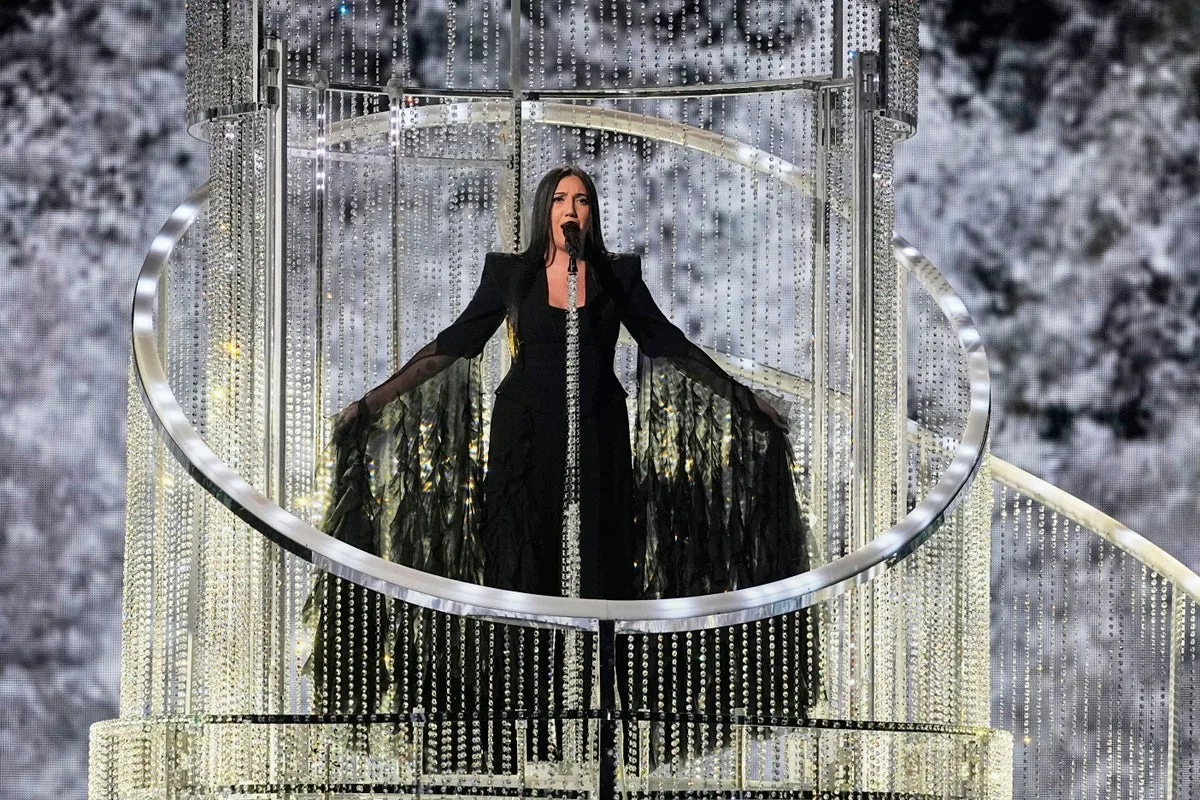
This year, critics alleged that Israel unfairly boosted its entrant, Yuval Raphael, a survivor of the 7 October attack by Hamas militants that ignited the conflict. Israel has not directly addressed these accusations but frequently asserts it is the target of a global smear campaign.
The EBU stated: 'We very much hope the package of measures will assure members that we have taken strong action to protect the neutrality and impartiality of the Song Contest.' Eurovision expert Paul Jordan described the situation as a 'watershed moment' for the competition, adding: 'This is a real crisis point for Eurovision and the EBU... I think it probably has to go to a vote.'




