EU Foreign Policy Chief Warns of 'Big Blow' to US Relations After Greenland Turmoil
European Union foreign policy chief Kaja Kallas has declared that relations with the United States have suffered a significant blow following a turbulent week marked by former President Donald Trump's renewed threats and demands concerning Greenland. Speaking amid the fallout, Kallas emphasised that while ties with Washington have been shaken, Europe is "not willing to junk 80 years of good relations" over the incident.
European Leaders Advocate Firm but Calm Response
European Commission President Ursula von der Leyen echoed this sentiment, highlighting that EU unity and engagement with the US in a "firm but non-escalatory manner" played a crucial role in defusing recent tensions. This diplomatic approach came as Trump abruptly dropped threats of tariffs against European allies, which had been levied in pursuit of his ambitions regarding the Danish territory.
NATO Chief Clashes with Trump Over Afghanistan Claims
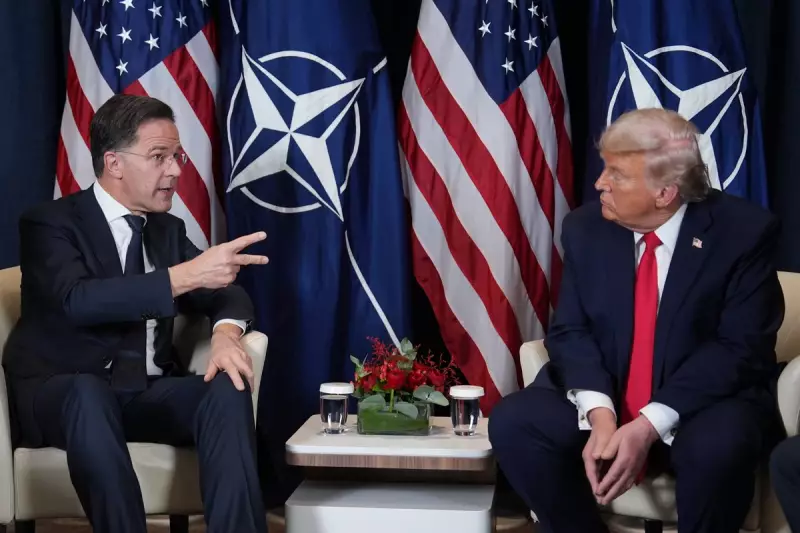
The controversy spilled over into the World Economic Forum in Davos, where NATO Secretary-General Mark Rutte directly confronted Trump over his assertions that the alliance would not "be there for us if we gave them a call". Rutte insisted, "Let me tell you, they will – and they did in Afghanistan." In response, Trump dismissed these comments in a Fox interview, alleging that European soldiers avoided front lines during the conflict, stating, "We've never needed them."

Danish Public Backlash and UK Pledges Arctic Security Talks
In Denmark, public discontent manifested through a boycott app targeting US products, which surged to the top of the charts following Trump's threats. Meanwhile, UK Prime Minister Sir Keir Starmer met with Danish Prime Minister Mette Frederiksen at Chequers, vowing to discuss strengthened Arctic security. Starmer described the withdrawal of tariff threats as a reflection of "pragmatism, common sense and sticking to our values," pledging collaborative steps forward.
Historical Agreements and Sovereignty Concerns
The dispute centres on a 1951 agreement between Washington and Copenhagen, which grants the US rights to construct military bases in Greenland, such as the existing facility at Pituffik. Professor Marc Jacobsen of the Royal Danish Defence College noted that the US historically maintained 17 bases during the Cold War, underscoring that current activities are permissible under the pact. However, both Danish and Greenlandic leaders have firmly asserted sovereignty as non-negotiable. Greenlandic Prime Minister Jens-Frederik Nielsen expressed relief over the dropped tariffs but admitted ignorance of any concrete deal details, while Frederiksen reiterated that security discussions should involve all NATO members.
Potential for New NATO Arctic Mission and Trade Deal Resumption
Officials suggest the proposed agreement could lead to a new NATO 'Arctic sentry' mission, potentially modelled on sovereign base areas like those used by the UK in Cyprus. This would update the 1951 pact and restrict non-NATO countries, such as Russia and China, from accessing Greenland's rare-earth minerals. On the trade front, European Parliament President Roberta Metsola indicated that the EU is likely to resume work on a US trade deal, previously paused due to tariff threats, now that escalation has subsided.
Ongoing Uncertainty and Diplomatic Wariness
Despite the de-escalation, diplomats report that the Greenland episode has severely shaken confidence in the transatlantic relationship, with EU leaders re-evaluating ties. Governments remain wary of Trump's unpredictable stance, viewing him as a "bully" that Europe must stand up to. As Trump continues to evade specifics on any Greenland "framework," claiming it benefits all, the situation underscores the fragile nature of international diplomacy in the face of unilateral demands.