
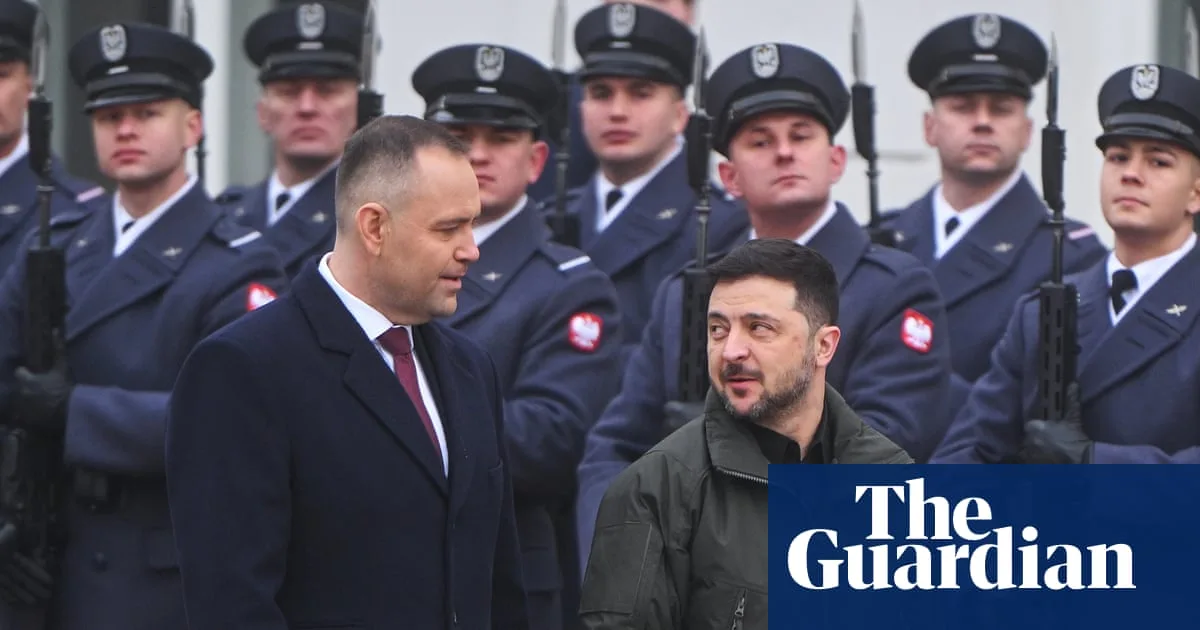
EU leaders have agreed to provide Ukraine with a €90bn loan over the next two years, backed by the EU budget rather than the bloc's frozen Russian assets. The decision, reached after a summit that extended into the early hours of Friday, will see Kyiv repay the loan only once Russia pays reparations for its war in Ukraine.
European Council President António Costa stated, 'We committed and we delivered,' adding that the EU reserves the right to use immobilised Russian assets to repay the loan. Ukrainian President Volodymyr Zelenskyy welcomed the deal as 'significant support that truly strengthens our resilience', stressing the importance of keeping Russian assets immobilised.
The plan to secure the loan against some of Russia's €210bn frozen assets in the EU was blocked by Belgium, which holds 88% of those funds. Prime Minister Bart De Wever said the reparations loan 'had not been a good idea', warning of legal vulnerabilities. Euroclear, the Belgian clearing house, faces a $230bn lawsuit from Russia's central bank, with its executives reportedly targeted by Russian intelligence.
German Chancellor Friedrich Merz, a proponent of using Russian assets, said the agreement still fulfils that goal because the assets will be used for repayment if Russia refuses to pay reparations. 'We just changed the timeline a bit,' he said, adding that the funds should be available from mid-January, ahead of Ukraine's forecast cash crunch in April.
The deal was enabled after Hungary, Slovakia and the Czech Republic agreed to approve the use of the EU budget on condition they are exempt from contributing to loan guarantees. Danish Prime Minister Mette Frederiksen praised the unity of 27 countries, while Italian PM Giorgia Meloni welcomed a 'solid legal and financial basis'. European Commission President Ursula von der Leyen described the indefinite freezing of Russian assets as 'the big win'.




