European Union leaders are heading for a critical summit in Brussels this Thursday, with a high-stakes plan to use frozen Russian state assets to fund Ukraine's war effort hanging in the balance. The move faces fierce opposition from Belgium and a new legal offensive from the Kremlin, which has warned the proposals could justify war.
Belgian Resistance and Moscow's Legal Onslaught
The crunch meeting comes as the 27-member bloc races to find new ways to support Kyiv, with the conflict nearing its fourth year and US President Donald Trump pushing for a rapid settlement. The European Commission has proposed accessing around €210 billion in Russian central bank assets frozen across the EU, with the bulk held by the international deposit organisation Euroclear in Belgium.
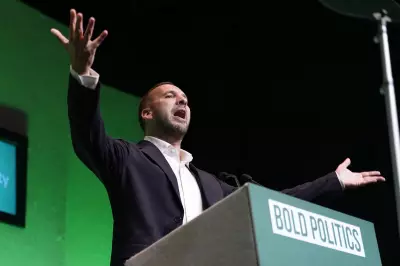
However, Belgium's Prime Minister, the Flemish nationalist Bart De Wever, has dug in his heels. His government fears crippling financial and legal reprisals from Moscow if the assets are seized. This fear is not unfounded: Russia has already fired a warning shot by announcing it is suing Euroclear. The Russian central bank accuses the organisation of making it "impossible to access funds and securities" through illegal actions and will seek damages equivalent to the full value of blocked assets and lost investment income.
The EU's High-Stakes Proposal
Brussels estimates that Ukraine, whose President Volodymyr Zelensky is expected at the talks, needs an additional €135 billion over the next two years, with a funding shortfall looming from April. To help cover this, the Commission's plan involves a legally untested "reparations loan" arrangement. This would see the EU borrow against the frozen assets and release up to €90 billion to Kyiv over two years.
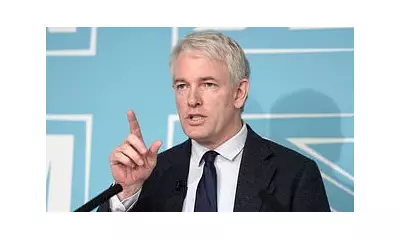
Critically, Ukraine would only begin repaying this loan once Moscow has compensated for the damage caused by its invasion. EU officials insist they have built multiple layers of protection, including guarantees from other member states, to minimise risks for Belgium. "If we do not succeed in this, then the European Union's ability to act will be severely damaged for years," German Chancellor Friedrich Merz warned this week.
Diplomatic Manoeuvres and the Shadow of US Peace Talks
While in theory other EU countries could override Belgium with a weighted majority vote, this is seen as a "nuclear option" unlikely to be used. Italian Premier Giorgia Meloni noted that "these are complex decisions that cannot be forced," potentially offering political cover for Belgium. An alternative plan for the EU to raise money itself has been shelved, as it requires unanimous approval and has been ruled out by Hungary.
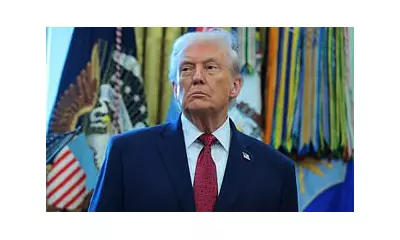
Bubbling beneath the surface are parallel US efforts to broker an end to the war. US and Russian officials are set to meet in Miami this weekend to discuss Trump's peace plan, with his envoy Steve Witkoff and son-in-law Jared Kushner expected to attend. Some in Ukraine have suggested Washington is pressuring the EU not to use the frozen assets, viewing them as a vital bargaining chip. EU officials deny this, claiming the push for peace has actually spurred efforts to tap the Russian funds.
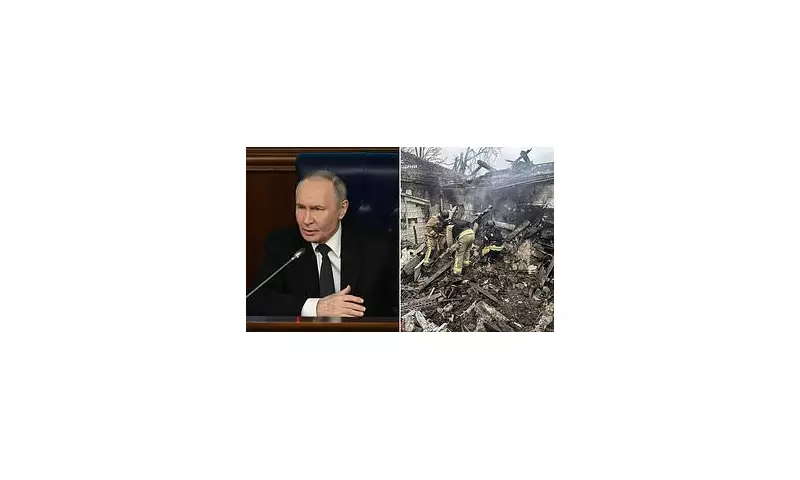
With Ukraine's financial shortfalls just months away, diplomats insist a solution must be found. "I'd be surprised if they break up on Saturday or Sunday without a decision," said one EU diplomat. The stakes could not be higher, with former Russian President Dmitry Medvedev warning that the EU's proposals could be used by the Kremlin as a justification for war.