Diplomatic relations between the European Union and Iran have plunged into a significant crisis following a series of escalating retaliatory measures centred on terror designations. The situation has intensified regional geopolitical tensions and drawn commentary from former US President Donald Trump regarding potential nuclear negotiations.
Mutual Terror Designations Spark Diplomatic Fury
In a dramatic diplomatic move, Iran summoned all European Union ambassadors to Tehran to formally protest the bloc's recent decision to designate Iran's paramilitary Revolutionary Guard as a terrorist organisation. This EU designation came in direct response to widespread international reports documenting thousands of fatalities during Iran's severe crackdown on domestic protesters.
The Iranian government responded with immediate and forceful retaliation, officially listing the armed forces of all European Union member states as 'terrorist groups' in a tit-for-tat diplomatic manoeuvre. The European Commission has since categorically rejected this Iranian designation, dismissing it as baseless and politically motivated retaliation rather than a legitimate security assessment.

Trump Enters the Fray with Nuclear Deal Optimism
Separately from the EU-Iran diplomatic standoff, former United States President Donald Trump has injected himself into the regional conversation by expressing renewed optimism about potentially reaching a nuclear agreement with Iran. Trump, who previously withdrew the United States from the Joint Comprehensive Plan of Action (JCPOA) during his presidency, now suggests that renewed negotiations could commence within days, stating he remains 'hopeful' about reaching a mutually acceptable arrangement.
Khamenei Issues Stark Regional War Warning
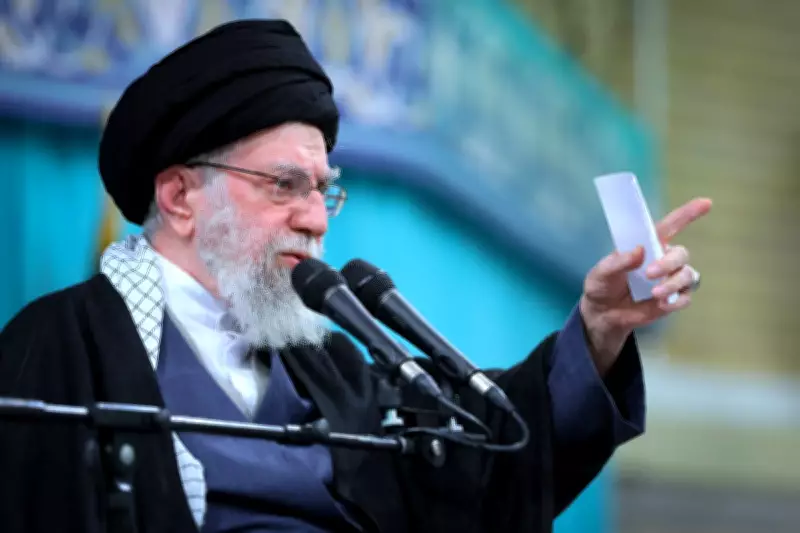
Amid these diplomatic developments, Iran's supreme leader, Ayatollah Ali Khamenei, delivered a stark warning regarding potential military escalation. Khamenei explicitly stated that any direct attack by the United States against Iranian interests would inevitably trigger a broader 'regional war' with potentially catastrophic consequences for Middle Eastern stability.
Significantly, the Iranian leader simultaneously asserted that Iran does not initiate conflicts or seek military confrontation, positioning the nation as a defensive actor responding to external aggression rather than an instigator of regional instability. This dual messaging appears designed to project strength while maintaining plausible deniability regarding offensive intentions.
Broader Implications for European-Iranian Relations
The current crisis represents one of the most severe deteriorations in EU-Iran relations in recent years, with the mutual terror designations creating substantial obstacles for diplomatic engagement and potential cooperation. European officials now face complex decisions about how to navigate relations with Tehran while maintaining pressure regarding human rights concerns and regional security issues.
Meanwhile, the juxtaposition of Trump's optimistic nuclear deal commentary against Khamenei's war warnings creates a confusing diplomatic landscape where multiple international actors are pursuing contradictory approaches to Iranian relations simultaneously. This fragmentation of Western policy toward Iran may complicate efforts to present a unified international front on critical security matters.
The situation continues to evolve rapidly, with diplomatic channels between Brussels and Tehran remaining strained while external actors like the United States pursue independent initiatives. The coming weeks will likely determine whether this diplomatic crisis can be de-escalated or whether further retaliatory measures will deepen the divide between Europe and Iran.