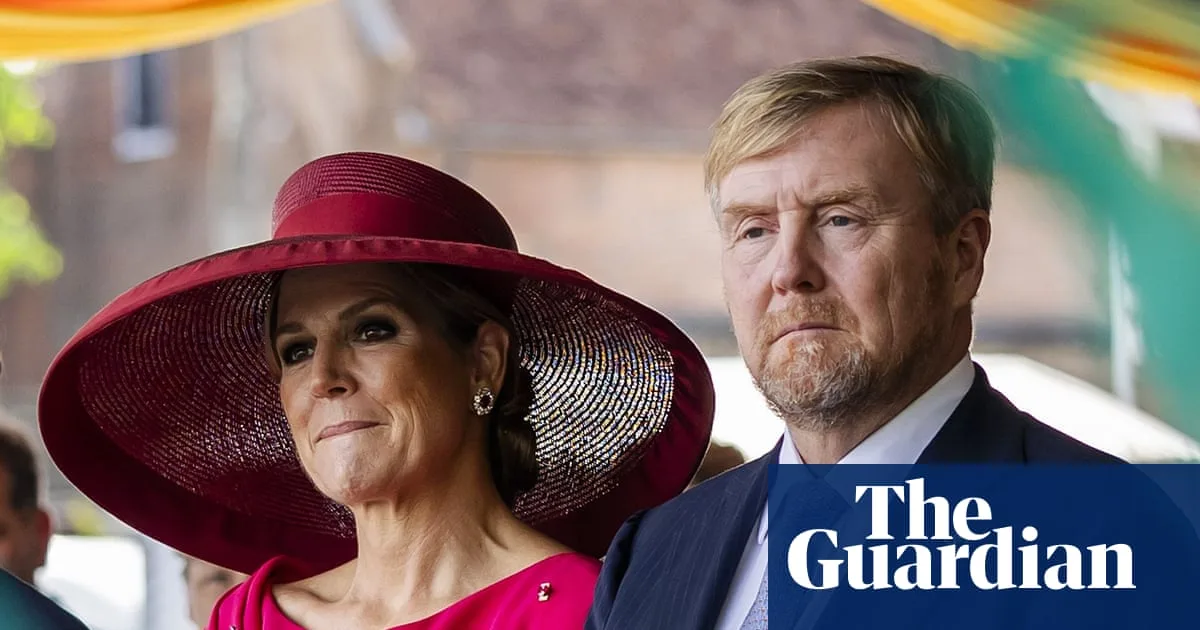
King Willem-Alexander of the Netherlands has delivered a landmark formal apology for the Netherlands' role in slavery during a historic visit to the former colony of Suriname. The monarch's speech, made in the capital Paramaribo on Tuesday, 2 December 2025, directly addressed the brutal legacy of the transatlantic slave trade, marking a significant moment in the ongoing reckoning with colonial history.
A Royal Address Confronting the Past
Standing before an audience that included descendants of enslaved people, the King expressed profound remorse for the actions of the Dutch state. He stated that the Netherlands bore responsibility for “great suffering” and “incalculable pain” inflicted over centuries. His words went further than a 2022 expression of regret, constituting a full, state apology delivered on Surinamese soil. The visit coincides with the 150th anniversary of the abolition of slavery in the Dutch colonies, a milestone being marked throughout the year.
The royal itinerary was carefully designed to acknowledge this painful history. King Willem-Alexander visited the former sugar plantation of Jodensavanne, once worked by enslaved Africans, and the Saint Peter and Paul Cathedral, a site of significance for the Afro-Surinamese community. These symbolic gestures aimed to demonstrate a tangible engagement with the nation's past beyond mere words.
Mixed Reactions and the Unresolved Issue of Reparations
Reactions within Suriname to the King's apology have been deeply mixed, reflecting the complex and enduring wounds of colonialism. While some community leaders and officials welcomed the statement as a necessary step towards healing, others viewed it with scepticism. For many, the apology, however significant, remains incomplete without concrete action and financial reparations.
Activists and advocacy groups have been vocal in their demand for reparatory justice, calling for the Dutch state to address the enduring economic and social disparities rooted in the slavery era. The apology, therefore, lands in a context where the debate is rapidly shifting from acknowledgment to restitution. The Dutch government has established a fund for initiatives related to this history, but it has explicitly ruled out direct financial compensation to individuals, a position that continues to fuel discontent.
The Path Forward for Dutch-Surinamese Relations
This royal visit and apology represent a pivotal chapter in the long and fraught relationship between the Netherlands and Suriname. The South American nation gained independence in 1975, but the shadows of its colonial past have loomed large. The King's speech is seen as an attempt to lay a new foundation for bilateral ties, one that openly confronts historical truths.
However, the journey towards reconciliation is far from over. The key challenges ahead include:
- Translating the royal apology into sustained policy and educational initiatives.
- Addressing the ongoing calls for reparations in a meaningful way.
- Ensuring the descendants of enslaved people are central to any future dialogue and decision-making.
As Suriname continues to grapple with the socio-economic legacies of slavery, the world watches to see whether this royal gesture will catalyse genuine change or remain a symbolic footnote. The pressure is now on both governments to build upon this moment with actions that match the gravity of the historical crimes acknowledged.




