Drone Attacks Intensify on Eve of Crucial Ukraine Peace Negotiations
A Ukrainian drone strike has ignited significant fires at a key Russian Black Sea port, officials confirmed on Sunday, just days before a fresh round of internationally brokered peace talks aimed at ending the protracted conflict. The attack targeted the port of Taman in the Krasnodar region, wounding two individuals and causing damage to an oil storage tank, warehouse facilities, and terminal infrastructure, according to regional governor Veniamin Kondratyev.
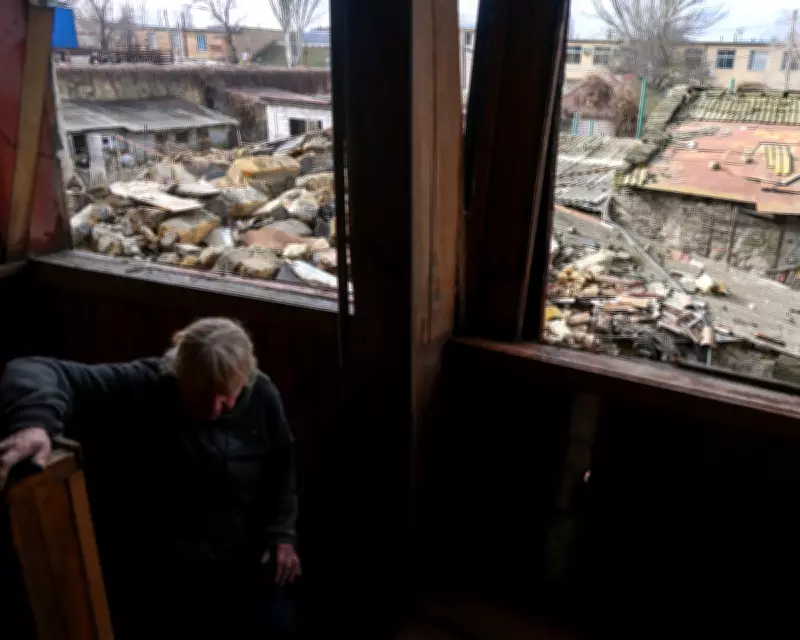
Infrastructure Damage and Civilian Impact in Odesa
Simultaneously, falling debris from Russian drones struck civilian and transport infrastructure in Ukraine's Odesa region, disrupting essential power and water supplies for local residents. This reciprocal escalation of hostilities underscores the volatile security situation as diplomatic efforts intensify. The timing is particularly poignant, occurring just before the fourth anniversary of Russia's full-scale invasion of Ukraine on February 24th.
Upcoming Geneva Talks and European Security Guarantees
The attacks precede another critical round of US-brokered negotiations between Russian and Ukrainian envoys, scheduled for Tuesday and Wednesday in Geneva. Ukrainian President Volodymyr Zelenskyy announced on Sunday that Ukraine has secured "specific packages" of new energy and military support from European allies, to be delivered by the invasion anniversary. Following a meeting of the Berlin Format with European leaders in Munich, Zelenskyy expressed hope for enhanced support, including advanced air-defence missile systems.

"I am grateful to our partners for their readiness to help, and we count on all deliveries arriving promptly," Zelenskyy stated, revealing that Russia launched approximately 1,300 attack drones, 1,200 guided aerial bombs, and dozens of ballistic missiles at Ukraine in the past week alone.
Diplomatic Stances and Security Concerns
European Union foreign policy chief Kaja Kallas warned at the Munich Security Conference that Russia seeks diplomatic victories to compensate for battlefield shortcomings, potentially relying on US concessions during negotiations. However, Kallas emphasized that key Russian demands, such as lifting sanctions and unfreezing assets, remain European decisions. "If we want a sustainable peace then we need concessions also from the Russian side," she asserted.
Zelenskyy raised concerns about future security guarantees for Ukraine and questioned the practicality of a US-proposed free trade zone in the contested Donbas region, which Russia insists Kyiv must relinquish for peace. He indicated that while the US desires rapid peace agreements, Ukraine prioritizes signing security guarantees first to ensure national sovereignty.
Regional Intelligence Assessments and Political Accusations
Egils Zviedris, director of Latvia's intelligence service SAB, cautioned that Russia will not demilitarize its economy post-conflict, with its future aggressiveness hinging on war outcomes and sanction persistence. "Lifting current sanctions would allow Russia to develop its military capacities more quickly," he told Agence France-Presse in Munich.
In a separate development, Slovak Prime Minister Robert Fico accused Ukraine of deliberately delaying repairs to a pipeline carrying Russian oil to eastern Europe, allegedly to pressure Hungary into dropping opposition to Ukraine's EU membership bid. Meanwhile, Russian army chief Valery Gerasimov visited troops in Ukraine, claiming the seizure of a dozen eastern villages in February, though these assertions lack independent verification.