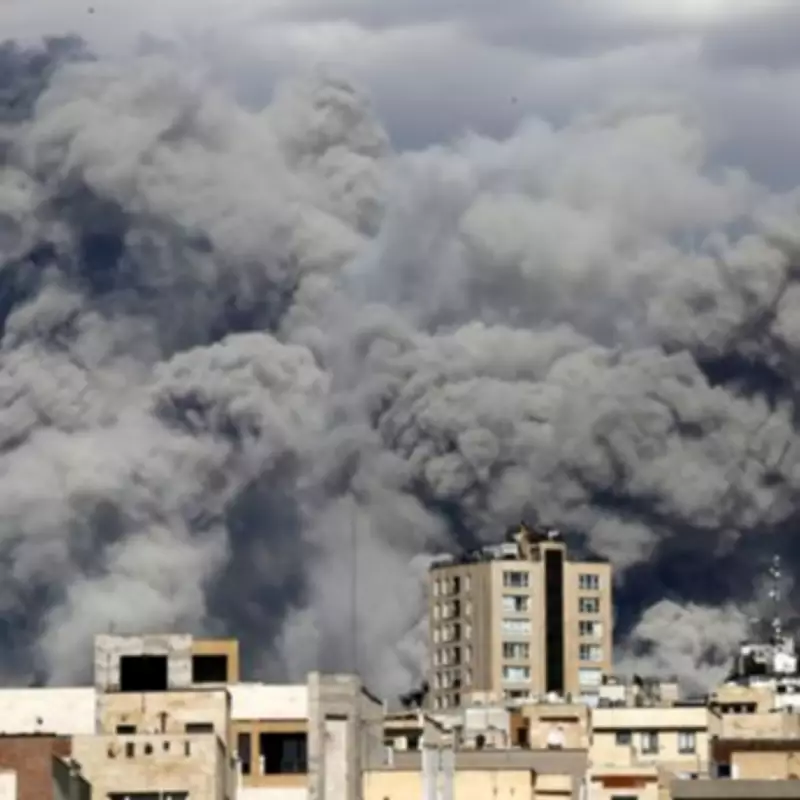
The death toll from the US-Israeli military strikes that commenced on Saturday morning has now surpassed 500, as the conflict in the Middle East intensifies and draws in additional nations. According to state media reports citing the Red Crescent Society, at least 555 individuals have been killed in Iran as of this morning, marking a significant increase from earlier estimates of approximately 200 fatalities.
Escalating Casualties and Humanitarian Response
Among the reported casualties, at least 165 people are believed to have perished at a girls' school in southern Iran, as confirmed by IRNA. In response to the crisis, over 100,000 rescuers are on full alert across the country, with a network of approximately 4 million volunteers on standby to provide humanitarian services and psychosocial support to those affected. It is important to note that these figures have not been independently verified at this time.
Regional Impact and Retaliatory Strikes
The conflict has expanded beyond Iran's borders, with retaliatory strikes leading to dozens of deaths across the Middle East. In Abu Dhabi, authorities confirmed that a drone targeting Zayed International Airport was intercepted on Sunday, March 1st, resulting in falling debris that killed one person and injured seven others.

On the military front, US Central Command announced yesterday that three American soldiers have been killed in the Iran operation, with five others seriously wounded. Additionally, several American warplanes crashed in Kuwait this morning, March 2nd, according to the country's defence ministry. All pilots ejected safely and are in stable condition after being checked at a hospital.
Casualties in Israel and Lebanon
Israel has reported a death toll of 11, including nine individuals killed in a missile strike on a synagogue in Beit Shemesh, which also left 28 people wounded. Meanwhile, in Lebanon, at least 31 people have been killed this morning as Israel and the Iran-backed military group Hezbollah exchange strikes, with 149 others wounded, according to the country's health ministry.
The situation remains fluid, with ongoing combat operations and a growing humanitarian crisis as the conflict continues to escalate across the region.