Dalai Lama Expresses Gratitude for First Grammy as China Condemns Award
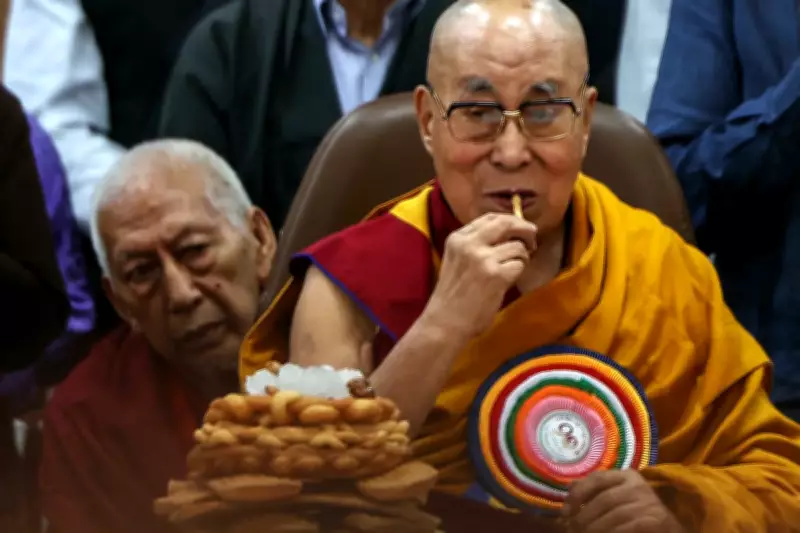
The 90-year-old Tibetan spiritual leader, the Dalai Lama, has won his first Grammy Award, an honour he described with "gratitude and humility" while China's government sharply criticised it as a political instrument.
Grammy Recognition for Spoken-Word Album
During the 68th Grammy Awards ceremony in Los Angeles on Sunday, the Dalai Lama secured the award in the Best Audio Book, Narration and Storytelling Recording category. His winning album, titled "Meditations: The Reflections of His Holiness the Dalai Lama," features his reflections combined with musical compositions from various artists.
In a statement shared on social media, the Dalai Lama remarked: "I receive this recognition with gratitude and humility. I don't see it as something personal, but as a recognition of our shared universal responsibility." He emphasised that peace, compassion, environmental care, and understanding humanity's oneness are vital for global well-being, adding his hope that the Grammy helps spread these messages more widely.

China's Strong Opposition to the Award
China's foreign ministry spokesperson Lin Jian immediately dismissed the Grammy win, stating: "It is well known that the 14th Dalai Lama is not merely a religious figure but a political exile engaged in anti-China separatist activities under the guise of religion." He further asserted that China firmly opposes using the award as a tool for anti-China political manipulation.
Award Acceptance and Album Details
Musician Rufus Wainwright accepted the Grammy on behalf of the Dalai Lama during the ceremony, expressing privilege in participating in the project and honour in accepting the recognition. The album includes collaborations with artists like Maggie Rogers and incorporates influences from Indian classical music.
Background on the Dalai Lama's Exile and Stance
Born Tenzin Gyatso, the Dalai Lama fled Tibet in 1959 at age 23 after Chinese forces suppressed an uprising in Lhasa. He has since lived in exile in India, never returning to Tibet. As the 14th reincarnation in a lineage dating to 1391 according to Tibetan Buddhist belief, he advocates for nonviolence and greater autonomy for Tibet.
China's government views him as a separatist and claims authority over approving his successor, a position the Dalai Lama rejects, insisting only his India-based office holds that power. He has repeatedly stated his successor will be born outside China and urged followers to reject any Beijing-appointed candidate.
In a recent birthday address, the Dalai Lama called himself a "simple Buddhist monk" and shared messages of compassion and altruism. This Grammy adds to his international recognitions, including the Nobel Peace Prize awarded in 1989 for promoting peace and human values.