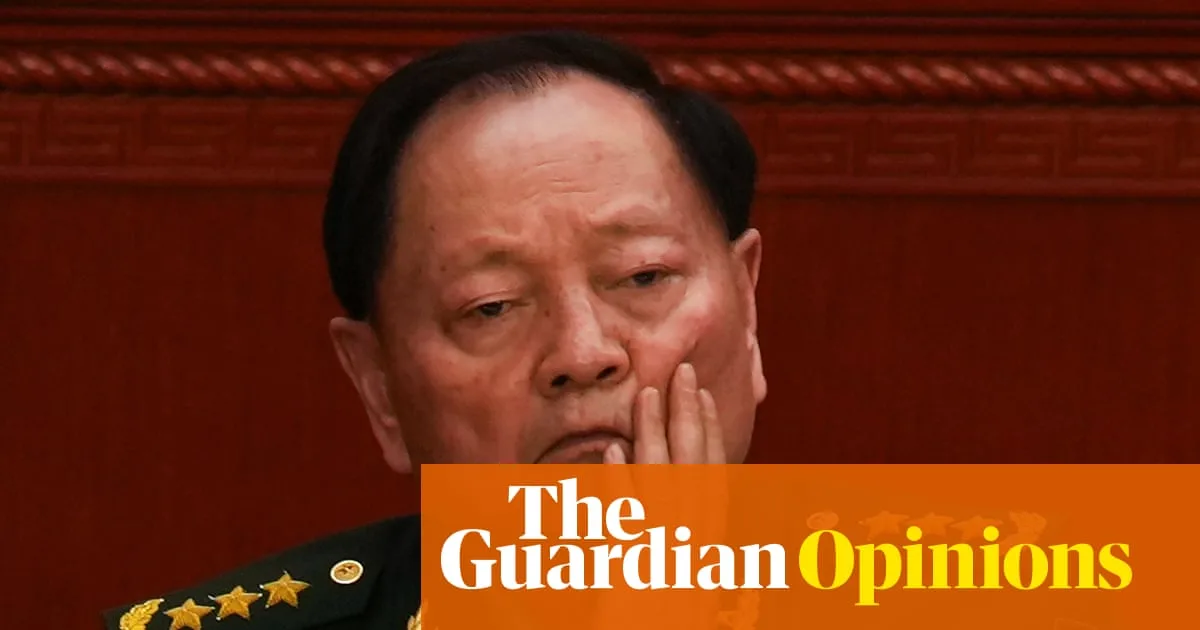
China's Military Purge: Rising Risks in an Era of Authoritarian Leaders
China's Military Purge: Risks Grow in Strongman Era

China's Military Purge: Escalating Dangers in an Age of Strongmen

The recent and extensive purge within China's military ranks, orchestrated under the leadership of President Xi Jinping, represents a significant and concerning development in global affairs. This systematic removal of senior officers and officials from the People's Liberation Army (PLA) underscores a broader trend towards authoritarian consolidation, which poses substantial risks to international stability and diplomatic relations. As strongmen leaders gain prominence worldwide, the implications of such internal crackdowns extend far beyond national borders, potentially destabilising regional security and challenging the norms of multilateral cooperation.

The Strategic Implications of the Purge

Analysts observe that this military purge is not merely an internal house-cleaning exercise but a strategic move to solidify Xi Jinping's control over the armed forces. By eliminating perceived dissent and loyalty risks, the Chinese leadership aims to create a more compliant and centralised military apparatus. However, this approach carries inherent dangers, as it may foster an environment of fear and sycophancy, potentially undermining operational effectiveness and strategic decision-making. In an era where geopolitical tensions are already high, such internal turmoil within a major power like China could exacerbate existing conflicts or spark new ones, particularly in hotspots like the South China Sea or Taiwan Strait.

Global Context of Authoritarian Resurgence

The situation in China mirrors a wider global pattern where authoritarian figures are consolidating power, often at the expense of democratic institutions and international norms. This trend towards strongman governance, seen in various regions, increases the likelihood of unilateral actions and reduces opportunities for diplomatic engagement. For the United Kingdom and its allies, this necessitates a reassessment of foreign policy strategies to navigate a world where traditional alliances and rules-based orders are under strain. The risks associated with China's military purge highlight the urgent need for robust defence postures and enhanced intelligence-sharing mechanisms to counter potential threats.

Wide Pickt banner — collaborative shopping lists app for Telegram, phone mockup with grocery list

Economic and Security Ramifications

Beyond immediate security concerns, the purge could have ripple effects on global economics and trade. China's military modernisation and assertiveness are closely linked to its economic ambitions, and any instability within its defence establishment might impact international markets and supply chains. Moreover, the consolidation of power under Xi Jinping may lead to more aggressive foreign policies, affecting sectors such as technology, finance, and energy. For businesses and policymakers in the UK, this underscores the importance of diversifying trade partnerships and investing in domestic resilience to mitigate vulnerabilities.

Looking Ahead: Challenges for International Diplomacy

As China continues its military purge, the international community faces the challenge of engaging with a regime that prioritises internal control over collaborative governance. This dynamic complicates efforts to address global issues like climate change, pandemics, and nuclear proliferation, where Chinese cooperation is often essential. The UK, along with other democratic nations, must advocate for transparency and accountability while seeking pragmatic avenues for dialogue. Strengthening multilateral frameworks and supporting civil society in authoritarian contexts could help counterbalance the risks posed by this age of strongmen.

Pickt after-article banner — collaborative shopping lists app with family illustration




