China Releases Hong Kong White Paper Emphasising National Security After Jimmy Lai Conviction
A Chinese policy white paper on Hong Kong has called for significantly enhanced national security measures to counter what it describes as hostile foreign interference. This publication follows closely on the heels of a Hong Kong court sentencing former media mogul Jimmy Lai to twenty years in prison.
Landmark Sentence and Policy Response
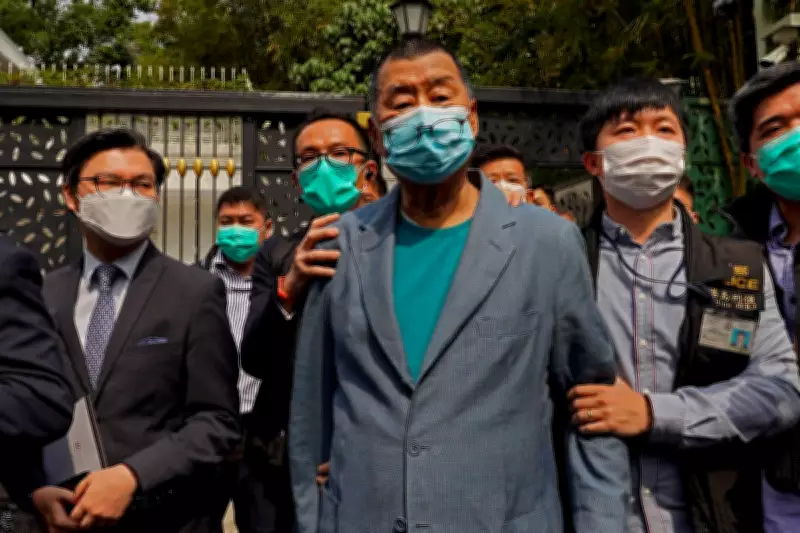
The jail term for the seventy-eight-year-old British citizen, who founded the now-defunct Apple Daily newspaper, represents the most severe penalty yet imposed under the national security law enacted by China. This landmark case has drawn intense scrutiny from Western governments and international observers.
The white paper, formally titled "Hong Kong: Safeguarding China's National Security Under the Framework of One Country, Two Systems", was issued by China's State Council. It outlines a comprehensive vision to bolster both security and economic development within the former British colony.

"Hong Kong, enjoying high-standard security, is bound to overcome all risks and challenges on the journey forward, and remain as steady as a rock in a turbulent world," the document asserts. It further emphasises the need to "guard against intervention and sabotage by hostile external forces" and advocates for improving systems to counter foreign sanctions and jurisdictional overreach.
Official Endorsement and Critical Backdrop
Hong Kong's Chief Executive, John Lee, warmly welcomed the white paper, stating it holds "great significance and has come at exactly the right time." He remarked that Lai's sentence serves as a "solemn warning against malicious plots of collusion with external elements and endangering national security."
However, critics argue that the sweeping national security law has been instrumental in suppressing dissent and dismantling the city's pro-democracy opposition, a process that accelerated following the mass protests of 2019. The white paper itself claims that Hong Kong historically lacked a robust legal framework, which allowed "political strife and societal chaos to persist."
The document calls for a holistic approach to security, urging authorities to enhance risk monitoring and early warning systems. It specifically highlights the need for greater attention to security in unconventional domains, including finance, shipping, trade, and the protection of overseas interests.
International Reaction and Humanitarian Appeals
The publication of the white paper coincided with strong condemnation from Western governments regarding Jimmy Lai's sentence. The verdict has been widely characterised as effectively a life sentence for Lai, who faces serious health issues while held in solitary confinement within a high-security facility.
In the United Kingdom, the Keir Starmer government, which has faced criticism for not securing the British national's release, stated it is actively pushing for Lai's freedom on humanitarian grounds. Downing Street rejected suggestions that Starmer's recent diplomatic visit to China was a failure, arguing it created a "stronger chance of securing a positive outcome." A spokesperson condemned the prosecution as politically motivated and affirmed the UK would continue to raise the case at the highest levels.
Across the Atlantic, US Secretary of State Marco Rubio described the sentence as an "unjust and tragic conclusion" and urged Hong Kong authorities to grant humanitarian parole. Former President Donald Trump, who has previously appealed to Chinese leader Xi Jinping for Lai's release, is reportedly planning a visit to Beijing in April.
Context of Periodic Policy Statements
China periodically releases such white papers on Hong Kong, which has been under Chinese rule since its handover from Britain in 1997. These documents articulate Beijing's evolving policy stance towards the special administrative region.
The previous white paper, issued in 2021, focused on Hong Kong's democratic development following an electoral system overhaul designed to ensure only "patriots" could hold public office. That move was criticised by numerous nations as eroding democratic freedoms by marginalising opposition figures.

The latest document reinforces Beijing's unwavering commitment to asserting control and mitigating perceived external threats, setting the stage for continued geopolitical friction surrounding Hong Kong's autonomy and legal framework.