China Issues Strong Condemnation of US Naval Blockade on Iranian Ports
China has forcefully denounced what it describes as Donald Trump's 'dangerous and irresponsible' blockade of Iranian ports, warning that the action risks dragging Beijing directly into the escalating conflict. The condemnation came as at least two vessels with connections to China navigated the strategically vital Strait of Hormuz, sparking immediate concerns that the People's Republic might be testing Washington's resolve in the region.
Vessels Transit Critical Waterway Amid High Tensions
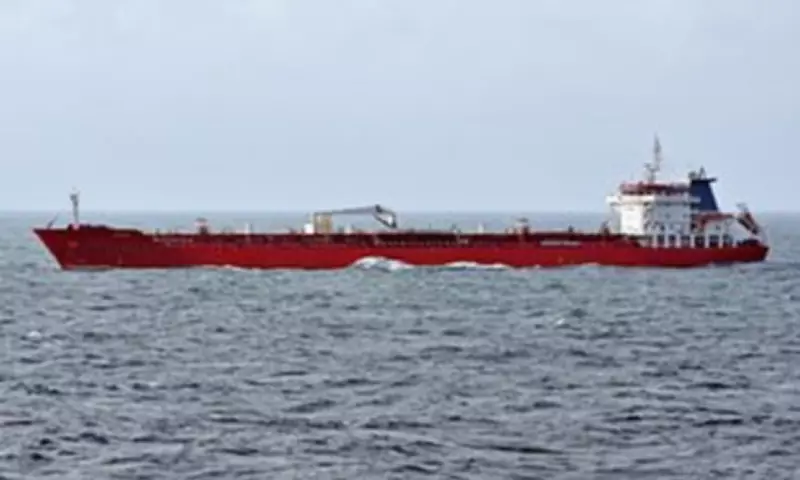
The US President had previously issued orders for the American navy to intercept any ship attempting to enter or leave Iranian ports. However, detailed analysis reveals that neither the US-sanctioned oil tanker Rich Starry – which maintains ties to China despite being falsely registered in Malawi – nor the China-linked vessel Murlikishan actually stopped at Iranian ports. This technicality meant they did not directly breach the blockade, though their presence in the area raised significant diplomatic alarms.
In contrast, at least two other ships from different nations that did attempt to dock at ports within the Islamic Republic appeared to initially evade US naval forces. The Comoros-flagged oil tanker Elpis and the Liberian-flagged Christianna were reportedly turned back last night after receiving instructions from US Central Command, which confirmed that six merchant vessels had been asked to reverse course and complied with the directive.

Xi Jinping's Veiled Criticism and Regional Diplomacy
The situation prompted Chinese President Xi Jinping to deliver his most direct remarks yet on the conflict, taking a thinly veiled swipe at the American approach. Speaking during a meeting with the crown prince of Abu Dhabi in Beijing, Xi warned that the world cannot afford to revert 'to the law of the jungle,' emphasizing that 'maintaining the authority of international rule of law means not using it when it suits us and abandoning it when it doesn't.'
China's Ministry of Foreign Affairs spokesperson Lin Jian reinforced this position, explicitly labeling the US chokehold as 'dangerous and irresponsible' during a press briefing. 'We urge relevant parties to honour the ceasefire agreement, stick to the direction of peace talks and take concrete actions to de-escalate the situation,' Lin stated, highlighting Beijing's growing frustration with American military posturing.
Economic Stakes and Regional Pressures
The economic dimensions of this confrontation are particularly significant for China, as Iranian oil constitutes approximately thirteen percent of Beijing's seaborne imports. Tehran has attempted to maintain this crucial flow despite previously threatening to shut the Strait of Hormuz to 'enemies,' a move that prompted the US to implement its naval blockade following the collapse of peace talks in Pakistan after twenty-one hours of negotiations.
Saudi Arabia, one of America's most important regional allies, has simultaneously pressed President Trump to abandon the siege and return to diplomatic discussions. Riyadh reportedly fears that the blockade could provoke Iran's proxy forces in Yemen, the Houthis, to close down the Bab al-Mandeb – another critical Red Sea chokepoint essential for the kingdom's remaining oil exports.
Diplomatic Maneuvering and Potential Resolutions
In a potential glimmer of hope, Bloomberg reports indicate that Iranian leadership is considering a short-term pause to shipments through the Strait of Hormuz to avoid pushing the limits of American tolerance. Iranian President Masoud Pezeshkian confirmed his country's readiness to resume peace talks during a call with French President Emmanuel Macron yesterday, though he cautioned that threats, pressure, and military action remain 'unhelpful' and would likely worsen what he described as America's 'self-created problems.'
Washington and Tehran are currently being urged by intermediaries to return to negotiations, with hopes that talks could resume in Islamabad as early as tomorrow. Officials from Pakistan have informed media outlets that both sides came remarkably close to an agreement on Saturday night, with one source noting: 'There was a point where it looked like something positive could come of it.'

Meanwhile, European leaders are preparing for another coordinated meeting in Paris this Friday, co-hosted by British Prime Minister Sir Keir Starmer and President Macron. A Downing Street spokesman confirmed that 'the summit will advance work towards a coordinated, independent, multinational plan to safeguard international shipping once the conflict ends,' suggesting ongoing efforts to develop contingency measures for regional stability.