
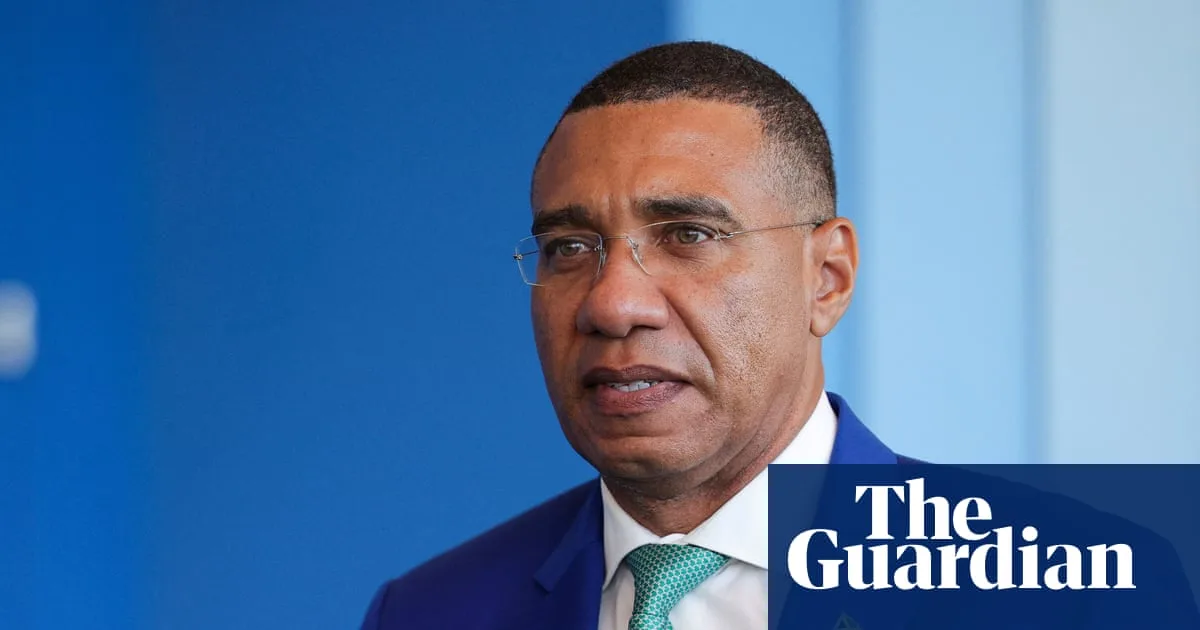
Caribbean leaders at the four-day Caricom summit in St Kitts and Nevis have called for de-escalation and dialogue between the United States and Cuba, as US policies dominate discussions. The summit, attended by 15 nations, comes amid US military strikes on suspected drug boats and an oil embargo on Cuba.
Outgoing Caricom chair and Jamaican Prime Minister Andrew Holness expressed support for “constructive dialogue between Cuba and the US aimed at de-escalation, reform and stability”. He noted that Cubans face “severe economic hardship, energy shortages and growing humanitarian strain”, warning that a prolonged crisis could affect migration, security and economic stability across the Caribbean basin.
Incoming Caricom chair and St Kitts and Nevis Prime Minister Terrance Drew, who studied in Cuba for seven years, appealed for humanitarian support, describing difficulties such as food scarcity, water access challenges, and electricity outages. He urged Caricom to become a conduit for constructive dialogue on the issue.
On Monday, Cuba’s UN resident coordinator Francisco Pichón told the Associated Press that the US oil embargo is preventing aid from reaching those affected by Hurricane Melissa, which struck eastern Cuba in late October as a category 3 storm. He said the energy blockade and fuel shortages affect the entire logistics chain in Cuba.
US Secretary of State Marco Rubio is expected to meet with Caribbean leaders on Wednesday. The US has recently pressured the region to reject Cuban medical missions, chill relations with China, and consider hosting US military hardware. US strikes targeting suspected drug boats have killed at least 151 people since early September, including three in a strike on Monday, with families of victims decrying the attacks.




