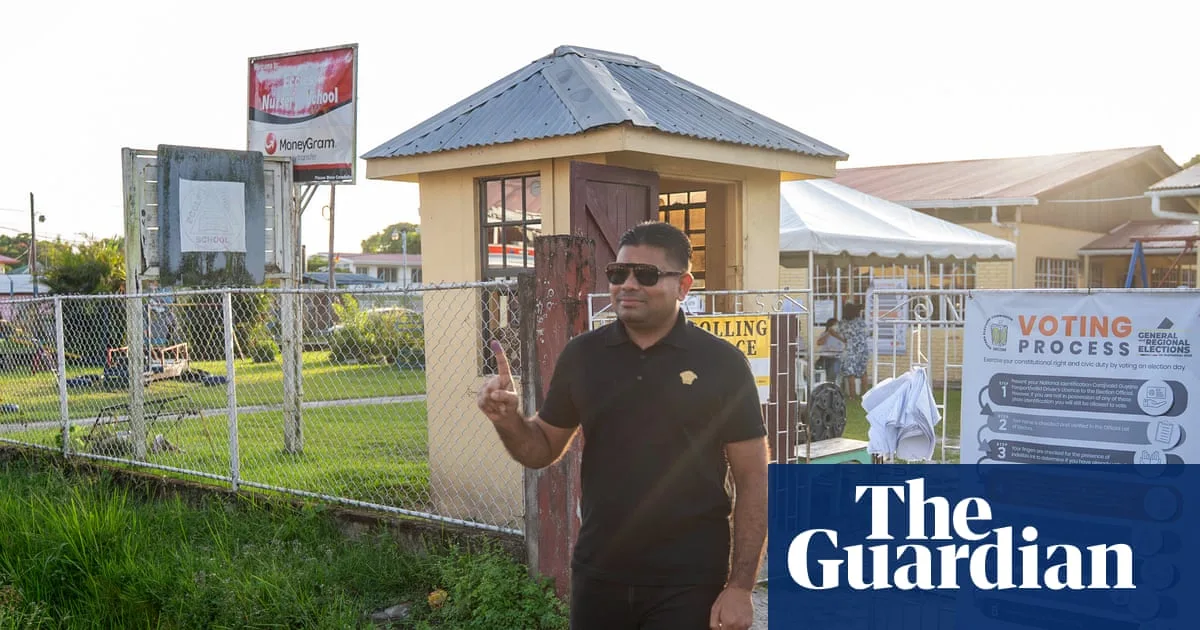
A Guyanese businessman facing extradition to the United States on gold-smuggling and money-laundering charges has been elected as the country’s opposition leader. Azruddin Mohamed, 38, secured the position six months after forming the We Invest in Nationhood (WIN) party, which quickly became the second-largest political force in the South American nation.
Mohamed’s election was confirmed on Monday after 16 lawmakers from WIN and one from a single-seat party voted in his favour. The result came despite ongoing extradition proceedings in a magistrate’s court, where state arguments for his removal to the US are being heard. Mohamed and his father, Nazar Mohamed, were indicted in Florida last year on federal charges of gold smuggling and money laundering.
The indictments followed US Treasury sanctions against the duo, accusing them of smuggling more than 10,000 kilograms of gold to the US from Guyana and evading over $50m in taxes. The family had been among the country’s largest gold buyers and exporters, also running a prominent foreign exchange outlet and holding extensive real estate. All their businesses and commercial bank accounts were closed after the sanctions were announced.
Monday’s parliamentary session, attended exclusively by opposition lawmakers, came amid pressure from western countries and civil society groups, which had criticised delays in calling parliament. Since being dissolved in July ahead of September’s general elections, parliament had met only once. House speaker Manzoor Nadir expressed unease about overseeing the appointment of a fugitive as opposition leader but chaired the proceedings and congratulated Mohamed on his victory.
Addressing the possibility of extradition, Mohamed said: “A person is innocent until proven guilty.” He argued that efforts to remove him were linked to WIN’s success in opposing the ruling People’s Progressive Party (PPP). “I announced my candidacy because of the people of this country,” he told reporters. “The people asked me. I would not have had any court issues if I did not contest this election. I am ready to serve the people of this country.”