
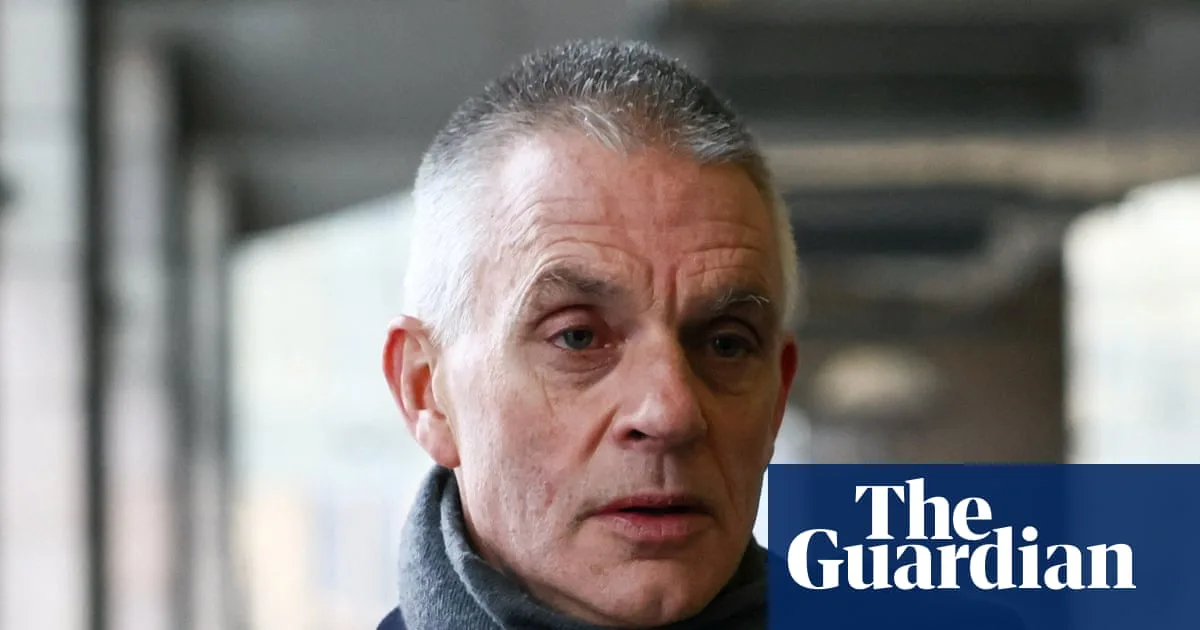
The BBC World Service will exhaust its funding in seven weeks unless a new settlement with the government is reached, Director General Tim Davie has warned. He used his final months in the role to press the Foreign Office for a decision, saying uncertainty came as Western news organisations cut international reporting and disinformation floods the digital sphere.
Davie, who steps down in April, has made securing a new funding deal a priority. The current arrangement with the Foreign, Commonwealth and Development Office (FCDO) expires at the end of March. "Seven weeks today. We're waiting to hear the outcome of the settlement," he said at a media security event.
The World Service's £400m budget is largely funded by the licence fee, with the FCDO contributing £137m last year. Davie urged the government to act decisively to support the service, noting that state-backed media firms are using AI to promote propaganda and other outlets are cutting international teams.
His warning comes as BBC research shows trust in Russia Today and China Global Television Network has risen, while trust in the BBC remains unchanged. Davie also highlighted risks to BBC Persian journalists, whose family members have faced threats, and noted the BBC is blocked in China, Russia, Turkmenistan and parts of Vietnam.
In response, Foreign Office minister Chris Elmore said the World Service is "highly valued" and that grant-in-aid funding for the next three years will be decided through the FCDO allocations process, with final allocations made before the 2026-27 financial year.




