
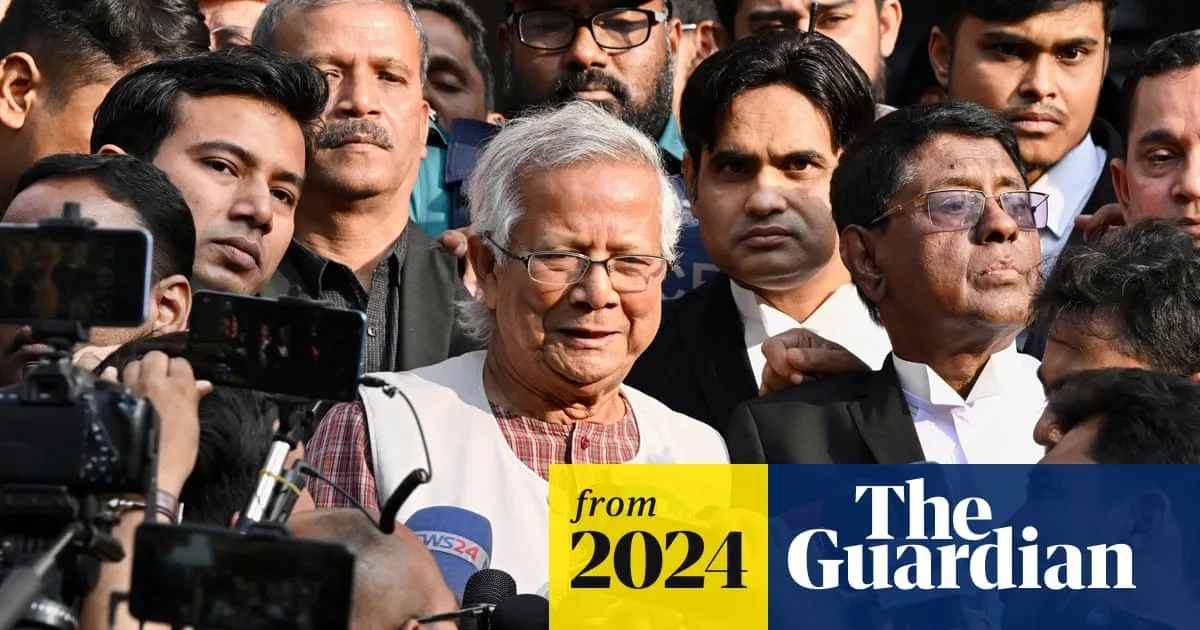
Nobel peace laureate Muhammad Yunus has been convicted of violating Bangladesh's labour laws and sentenced to six months in jail, in a case his supporters decry as politically motivated. The 83-year-old economist, renowned for pioneering microfinance through Grameen Bank, was found guilty alongside three colleagues from Grameen Telecom. All four were granted bail pending appeals.
The verdict, delivered by Dhaka's third labour court, centred on allegations that 67 employees had not been made permanent, that staff participation and welfare funds were not established, and that 5% of dividends were not distributed to workers. Judge Sheikh Merina Sultana imposed the sentence, which Yunus immediately condemned. "I have been punished for a crime that I haven't committed," he told reporters, adding, "If you want to call it justice, you can."
The case unfolds against a backdrop of political tension. Prime Minister Sheikh Hasina, who has long clashed with Yunus, previously accused him of "sucking blood" from the poor. Hasina's administration has faced criticism for cracking down on dissent. Yunus, who won the Nobel Peace Prize in 2006, was once seen as a potential political rival after briefly floating a new party, Citizen Power, though he abandoned that plan.
Yunus's lawyers condemned the ruling as "unprecedented" and "meritless, false and ill-motivated." Abdullah Al Mamun said, "We did not get justice," while Khaja Tanvir asserted the case aimed "to harass and humiliate him in front of the world." Yunus still faces more than 100 other charges, including alleged corruption and embezzlement, which he denies, maintaining that his social businesses were not for personal benefit.
The conviction comes as Bangladesh prepares for a general election on 7 January, with the main opposition Bangladesh Nationalist Party urging a boycott. International figures, including Barack Obama and Ban Ki-moon, have previously voiced concern over Yunus's treatment, and Irene Khan, a UN special rapporteur, called the verdict "a travesty of justice." Amnesty International has accused the government of "weaponising labour laws" against the Nobel laureate.




