Bafta N-Word Incident Exposes Complex Clash of Sensitivities
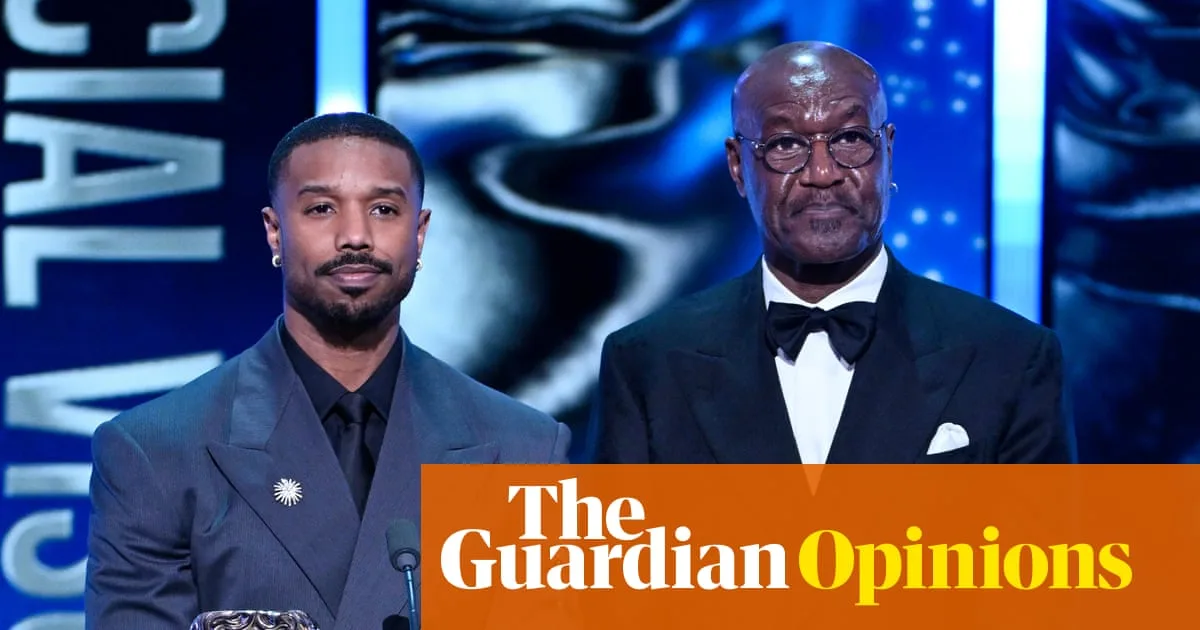
The 2026 Bafta Film Awards ceremony at London's Royal Albert Hall became the centre of a heated controversy when a racial slur was shouted during the live event. The incident involved Tourette's campaigner John Davidson, who suffers from coprolalia, a condition causing involuntary outbursts of socially inappropriate language. As Black Hollywood actors Delroy Lindo and Michael B Jordan presented an award for Best Visual Effects, the N-word echoed through the prestigious venue, creating what many described as a jaw-dropping moment.
Broadcast Controversy and Apology Backlash
The BBC faced significant criticism for broadcasting the racial slur during their delayed coverage of the ceremony. Despite host Alan Cumming's warning at the beginning of the event about Davidson's presence and potential outbursts, the corporation chose to air the offensive language without editing it out. This decision contrasted with their handling of Nigerian filmmaker Akinola Davies Jr's "Free Palestine!" exclamation, which was completely removed from the broadcast.
Following the incident, the BBC issued what many considered an inadequate apology, stating they were sorry "if you are offended tonight." This conditional apology drew sharp criticism from various quarters, including Sinners production designer Hannah Beachler, who called it a "throwaway" response that "made the situation worse." Both the Bafta organization and the BBC have since apologized to the affected actors, but the damage to their reputation was already done.
Celebrity Reactions and Social Media Storm
The incident sparked strong reactions from prominent figures in the entertainment industry. Academy Award winner Jamie Foxx expressed outrage on social media, calling the moment "unacceptable" and questioning whether the outburst was truly involuntary. His comments reflected a broader skepticism among some observers about the nature of Davidson's tic involving such a specific racial slur.
Meanwhile, the two actors directly affected—Delroy Lindo and Michael B Jordan—maintained professional composure despite visible shock. They continued with their presentation duties, announcing the winner for Best Visual Effects while processing what had just occurred. Their dignified response stood in contrast to the growing controversy surrounding the incident.
Disability Awareness Versus Racial Sensitivity
The situation created a complex dilemma pitting disability awareness against racial sensitivity. Davidson, who attended the ceremony as part of a delegation for I Swear—a film about his life with Tourette's—had hoped to promote understanding of his condition. Instead, his involuntary outburst became the focus of intense scrutiny and criticism.
As author Ava Vidal notes in her commentary, "Involuntary tics and outbursts do not indicate a person's true feelings and are not a reflection of their character." However, she also acknowledges the legitimate hurt caused to Black attendees and viewers, stating that "the N-word carries some serious weight, and sometimes you can't help but react emotionally to it."
Broader Implications and Missed Opportunities
The incident highlighted several important issues in contemporary society. Many commentators noted that instead of becoming a moment for promoting understanding between different marginalized groups, the situation created division. Some African-American commentators questioned why the N-word would be part of a Scottish man's vocabulary, even as an involuntary tic, while others suggested extreme measures like placing Davidson in a soundproofed box—a suggestion that drew criticism for echoing segregationist practices.
The controversy also raised questions about how Black people with disabilities experience double discrimination. As Vidal points out, "Black people with autism/ADHD are often dismissed as being difficult and rude," and those with Tourette's face similar challenges. The incident could have been an opportunity to advocate for greater understanding of intersectional discrimination but instead became a source of conflict.
Aftermath and Ongoing Debate
In the wake of the controversy, Davidson did not appear at the Bafta winners' press conference, presumably to protect him from difficult questions. The BBC has since removed its coverage from the iPlayer streaming service, adding another layer to the ongoing discussion about media responsibility and editorial decisions.
The incident occurred during the presentation of an award for Sinners, a vampire film that serves as a metaphor for systemic racism, colonialism, and white supremacy in the 1930s American South. This ironic context added depth to discussions about racial erasure and representation in the entertainment industry.
As the debate continues, it raises fundamental questions about how society balances competing sensitivities, the nature of involuntary actions versus intentional harm, and the responsibilities of media organizations in handling potentially offensive content. The Bafta incident serves as a case study in the complex intersection of disability rights, racial justice, and media ethics in contemporary Britain.






